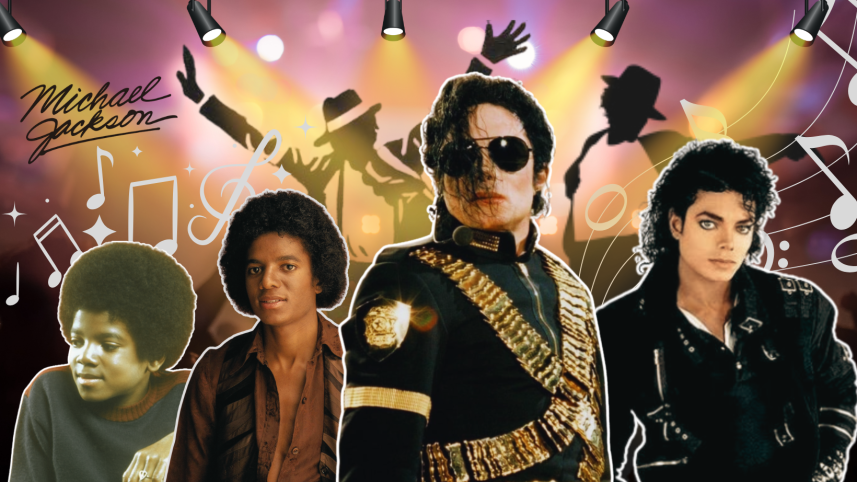
Seventeen years have passed since the death of Michael Jackson, who died aged fifty just weeks before what was planned as a highly anticipated return to the stage. Footage from his final rehearsals continues to circulate widely, showing a performer still energetic, focused, and at ease in his craft. Between run-throughs, he is often seen smiling and joking with dancers, a stark contrast to the weight of what was to come.
This year’s biographical film “Michael”, featuring Jaafar Jackson portraying his uncle, has reintroduced elements of his life and performance style to a new generation. For many younger viewers, it has acted as an entry point into a vast archive of music and performance history. Streaming platforms have reflected that renewed interest, with his catalogue climbing charts alongside contemporary releases, demonstrating the continued reach of his work across decades.
Social media has become a central space for rediscovery. Concert recordings, short films once described as cinematic music videos, and grainy rehearsal clips are being shared and rewatched repeatedly. Many viewers engaging with this material were not born when he died, yet they approach it with curiosity rather than nostalgia.
A common starting point is his 1983 television performance of “Billie Jean”, where he first publicly unveiled the moonwalk. The moment still draws disbelief from viewers encountering it for the first time. What appears effortless on screen remains technically puzzling even after repeated viewing, and it often leads audiences deeper into his extensive performance archive.
His stage presence was built on precision and contrast. Signature details—the single glove, the fedora, white socks against black shoes—became instantly recognisable. He was known for controlling silence as effectively as sound, often pausing mid-performance until tension filled entire stadiums before releasing it with a single movement.
At the core of his artistry was a vocal style that blended rhythm and melody in unconventional ways, turning breaths, hiccups and vocalisations into percussive elements. That distinctive sound, combined with a lifelong drive shaped by early performance pressures, defined much of his musical identity.
His later life was marked by intense public scrutiny and legal challenges, including allegations of child sexual abuse. A 2005 trial resulted in acquittal on all counts. The case remains widely discussed, particularly following the release of the documentary “Leaving Neverland” Leaving Neverland, which reignited public debate years later.
Yet the focus for many new listeners remains the work itself. For younger audiences discovering him today, his performances exist outside the timeline of controversy and loss. What persists is the immediacy of the music, the physicality of the dancing, and a voice that continues to cut through time, still finding new listeners who press play again and again.