Sunday, 5th April 2026

Khabor Wala Desk
Published: 2nd February 2026, 10:39 AM
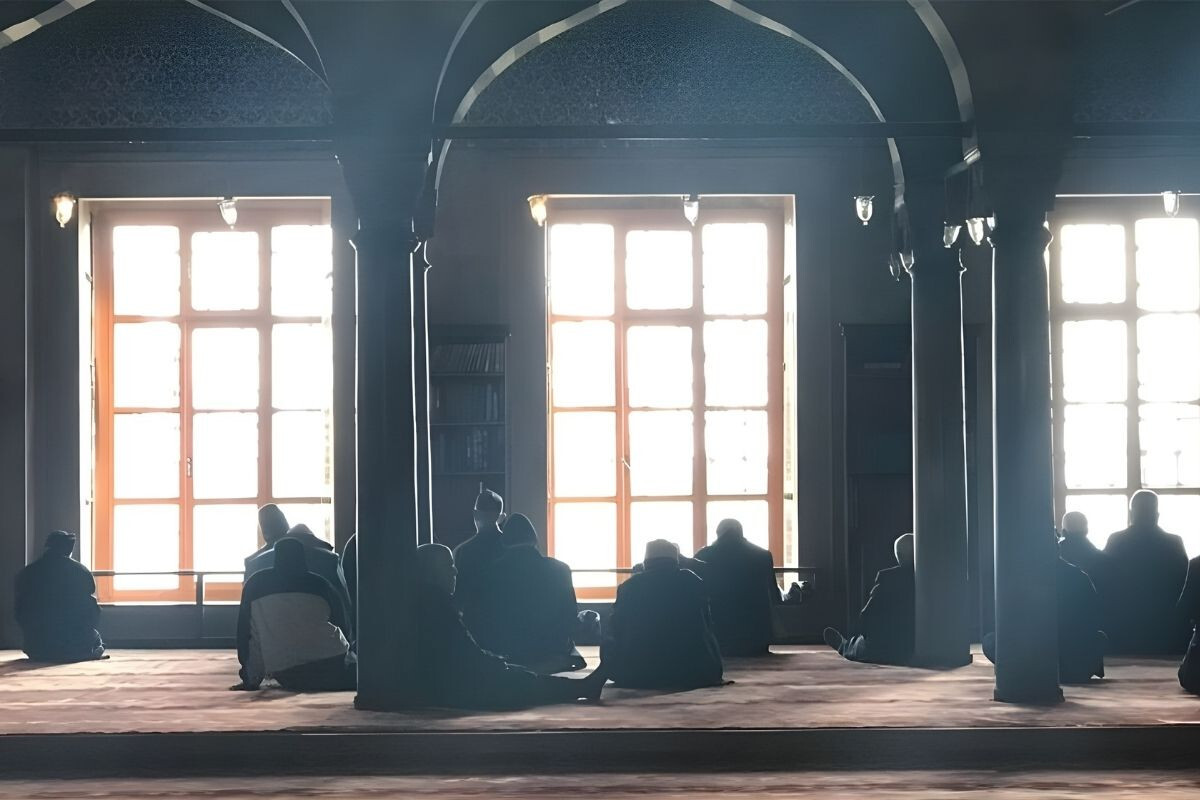
In the Islamic calendar, certain nights transcend the ordinary span between sunset and dawn. They are moments when the soul pauses, the heart reflects, and the conscience awakens. Shab-e-Barat is one such night.
In the stillness of the mid-Sha‘ban night, when the world’s clatter subsides and the heavens lie silent, one’s innermost self becomes more perceptible. It is a night of introspection, forgiveness, and spiritual reckoning. Hearts awaiting mercy find hope, souls aware of past missteps seek guidance, and those who have lost their way realise that the path back is not closed. The word “Barat” signifies release, absolution, and permission to begin anew.
For many believers, Shab-e-Barat is a time to confront their past—with courage to admit faults, a desire to reform, and the humility to seek divine pardon. The Qur’an describes it as a blessed night, one in which divine decrees are written, warnings are revealed, and the unseen account of every soul is inscribed.
Classical scholars, or mufassirs, emphasise that during this night, the course of human life, sustenance, and fate are determined according to Allah’s infinite knowledge. Such understanding humbles the believer, highlighting that human control is limited while divine mercy is boundless.
The Prophet Muhammad (peace be upon him) stressed the depth of Shab-e-Barat: Allah turns His attention to His creation, opening the gates of forgiveness. Yet, a heart filled with resentment or pride may unknowingly distance itself from this mercy. Thus, Shab-e-Barat is more than an occasion for worship—it is a night of mending relationships, cleansing the heart, and realigning one’s inner self.
Imam Al-Ghazali likened it to a mirror for self-examination: one cannot build without first recognising one’s cracks. Similarly, Imam Ibn Taymiyyah described it as a period of divine grace accessible only to those striving to purify their hearts. For the Sahabah and Tabi‘un, it was never a festival of lights or loud celebrations; it was a night of silence, prolonged prostration, and self-accountability. The essential question remained: Who was I, who have I become, and who do I wish to be?
Spiritual experts note that actions alone hold little meaning without heartfelt reflection. Voluntary prayers, Qur’an recitation, seeking forgiveness, and supplication only gain true significance when paired with sincere contrition. Moreover, Shab-e-Barat teaches moderation: extravagance, ostentation, or performative piety are incompatible with the night’s quiet lessons.
| Spiritual Aspect | Significance on Shab-e-Barat |
|---|---|
| Introspection | Confront past mistakes and weaknesses |
| Forgiveness | Seek Allah’s mercy and forgive others |
| Renewal | Start anew with a purified heart |
| Sincerity in Worship | Actions must reflect inner sincerity |
| Moderation | Avoid ostentation, embrace humility |
Ultimately, Shab-e-Barat offers a rare opportunity to pause and reflect amid life’s distractions. It prompts the questions: Do you wish to return to the right path? Is your inner self still alive? The night inspires courage—courage to admit errors, to ask for forgiveness, and to begin afresh. In Allah’s court, it is not flawless deeds that matter most, but a humble heart, a bowed head, and a sincere return.
Shab-e-Barat is not merely a night; it is a silent call to the soul, a revival of conscience, and a precious moment to rediscover the inner self.



Comments