Sunday, 5th April 2026

Khabor Wala Desk
Published: 2nd February 2026, 10:07 PM
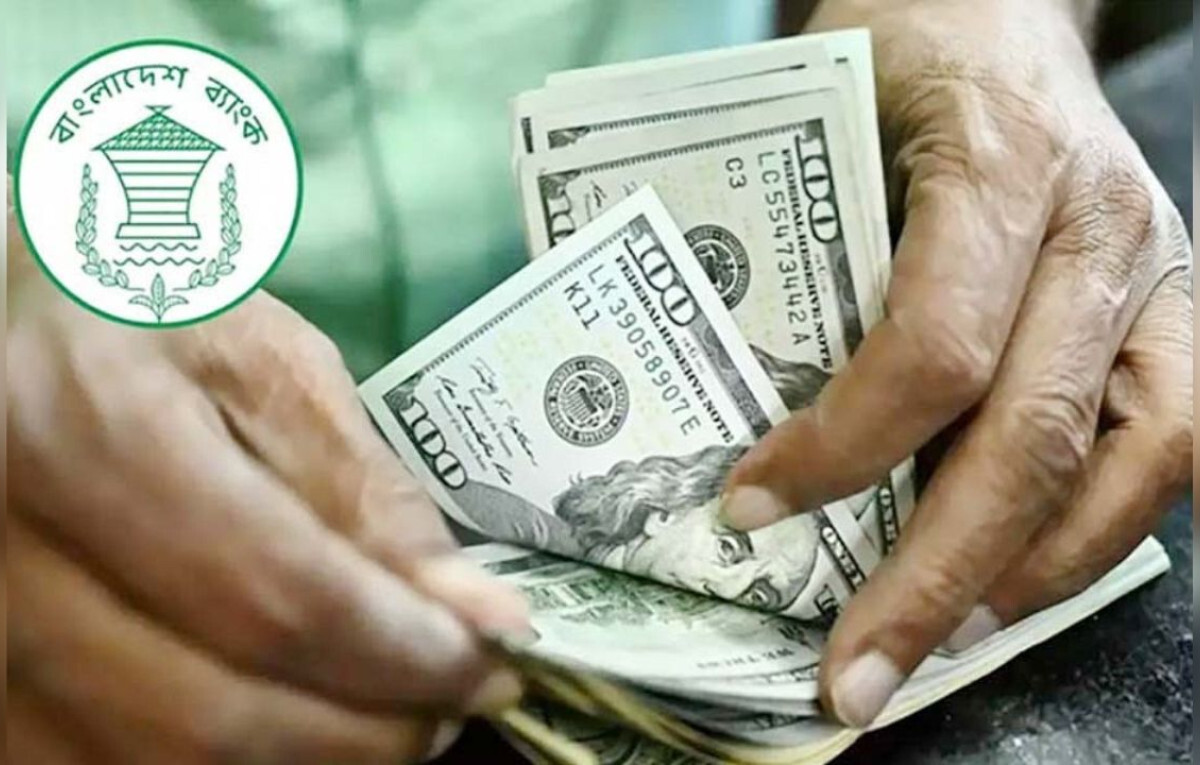
In a strategic move to bolster national reserves and stabilise the foreign exchange market, Bangladesh Bank has successfully purchased over four billion dollars from commercial banks via auctions during the current fiscal year. The announcement, made on Monday, 2 February, reflects a significant shift in the country’s liquidity dynamics, primarily driven by a surge in inbound remittances.
Arif Hossain Khan, the Executive Director and Spokesperson for the central bank, confirmed that the cumulative procurement for the fiscal year has now reached $4.15 billion. On Monday alone, the central bank absorbed $218 million from sixteen different commercial banks. The transaction was settled at a rate of 122.30 Taka per Dollar.
This aggressive purchasing strategy is a direct response to the excess supply of greenbacks within the banking sector. As expatriate workers increasingly utilise formal banking channels to send money home, commercial banks have found themselves with a surplus of dollars, leading them to offload these assets to the central bank to maintain balanced ledgers.
The primary catalyst for this heightened dollar supply is the extraordinary performance of remittance inflows. In January 2026, Bangladeshi expatriates sent home a staggering $3.17 billion, marking the third-highest monthly total in the nation’s history.
This figure represents a remarkable 45.41% increase compared to January 2025, where inflows stood at $2.18 billion. The central bank attributes this growth to improved exchange rate stability and a crackdown on informal ‘hundi’ channels, which has encouraged the use of legitimate banking systems.
| Metric | January 2025 | January 2026 | Year-on-Year Growth |
|---|---|---|---|
| Monthly Remittance Inflow | $2.18 Billion | $3.17 Billion | +45.41% |
| Exchange Rate (Per USD) | ~110.00 BDT | 122.30 BDT | +11.18% |
| Total FY Procurement | N/A | $4.15 Billion | Significant Upward Trend |
The central bank’s decision to buy dollars at the current rate serves a dual purpose. Firstly, it prevents a sharp appreciation of the Taka, which could potentially hurt export competitiveness. Secondly, it allows the government to rebuild its foreign exchange reserves, which had faced pressure in previous years due to global economic volatility.
Analysts suggest that if the current remittance trend continues, the central bank will likely exceed its annual procurement targets, providing a much-needed buffer against future external shocks. For the general public, this suggests a more predictable and stable economic environment for the remainder of 2026.



Comments