Sunday, 5th April 2026

Khabor Wala Desk
Published: 2nd February 2026, 11:58 PM
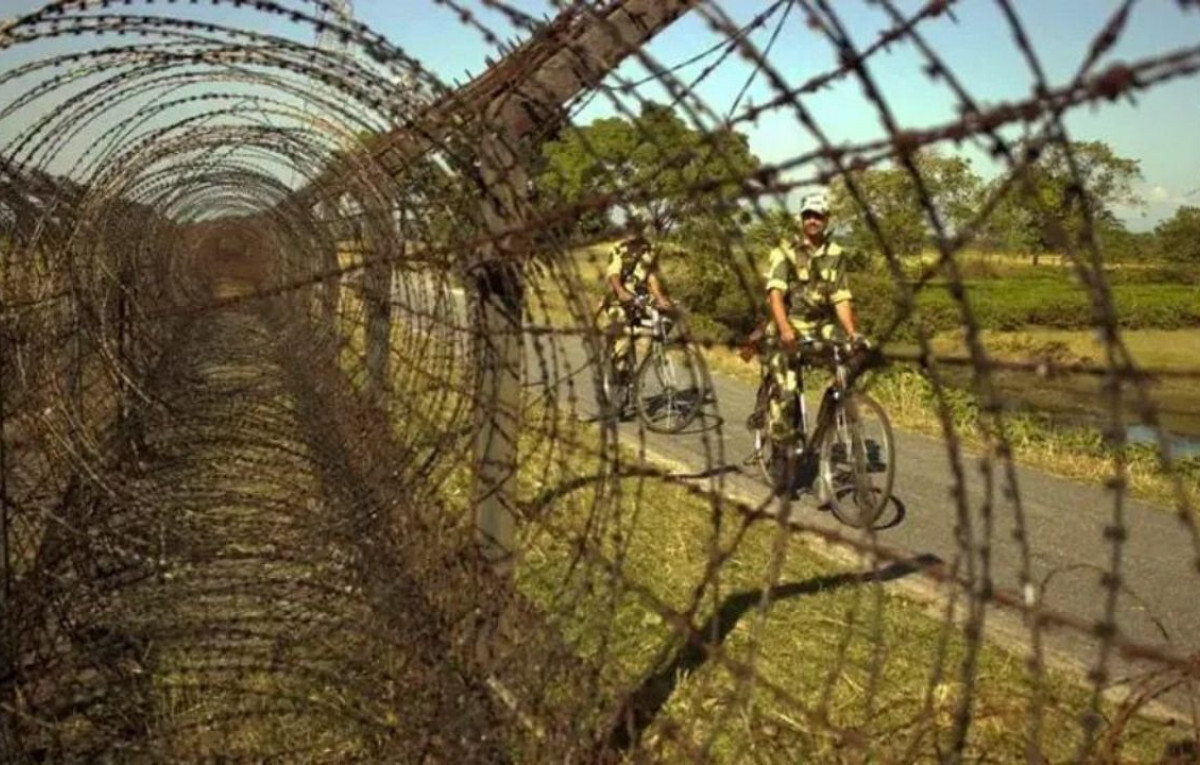
The Maharashtra state administration in India has sparked significant international debate following its announcement to employ Artificial Intelligence (AI) to identify and track “illegal” Bangladeshi and Rohingya migrants. This technological shift comes amidst a broader, controversial nationwide push to verify citizenship, which has already seen numerous individuals detained in camps or deported across the border.
During a recent event hosted by NDTV, Maharashtra’s Deputy Chief Minister, Devendra Fadnavis, revealed that the Mumbai administration is collaborating with the Indian Institute of Technology (IIT) Bombay to develop this AI tool. According to Fadnavis, the software is currently operating at 60% accuracy, with expectations to reach 100% precision within the next four months.
While the specific mechanics of the tool remain opaque, experts suggest it will function as a Large Language Model (LLM), integrated with biometric and sociological data. The system is expected to “profile” suspects based on facial features, attire, and dialect.
| Data Category | Potential “Training” Parameters | Risks of False Positives |
|---|---|---|
| Linguistic Analysis | Regional dialects (e.g., Sylheti, Rajshahi). | Overlaps with Indian Bengali dialects in Tripura and Assam. |
| Visual Profiling | Religious attire, beard styles, or headwear. | Common to millions of Indian Muslims and various Hindu sects. |
| Geographic Data | Historical movement patterns and maps. | Difficulty in distinguishing cross-border cultural fluidity. |
| Socio-cultural | Community-specific infographics and research papers. | High risk of reinforcing political or ethnic biases. |
The plan has faced a wall of criticism from both technologists and social scientists. Arijit Mukherjee, a Principal Scientist at a major multinational IT firm, warned that the “training data” fed into the AI could be inherently biased. “Language and culture do not strictly adhere to political boundaries,” Mukherjee noted. He highlighted that the dialect spoken in Cooch Behar, West Bengal, is virtually indistinguishable from that in Lalmonirhat, Bangladesh.
Furthermore, Jaydeep Dasgupta, founder of MediaSkills Lab, expressed concern over religious profiling. He questioned how a machine could differentiate a Bangladeshi Muslim from an Indian Muslim if the primary indicators are mere aesthetic choices like a beard style or a topi (prayer cap).
Economist and activist Prasenjit Bose questioned the necessity of such an expensive digital tool when traditional methods—such as the intensive voter list revisions (SIR)—have failed to produce evidence of mass infiltration. “The government should first disclose how many illegal migrants were actually found through SIR before spending millions on AI,” Bose asserted.
Human rights advocates point to recent reports from Assam and West Bengal, where Bengali-speaking Indian Muslims were allegedly labelled as “infiltrators” and pushed across the border without due legal process. Critics fear that automating this process through AI will provide a “veneer of scientific legitimacy” to what they describe as a politically motivated witch-hunt.
As the four-month development window closes, the international community watches closely to see if Maharashtra’s AI experiment becomes a model for digital governance or a cautionary tale of algorithmic bias.


Comments