Published: 07 Dec 2025, 06:07 pm
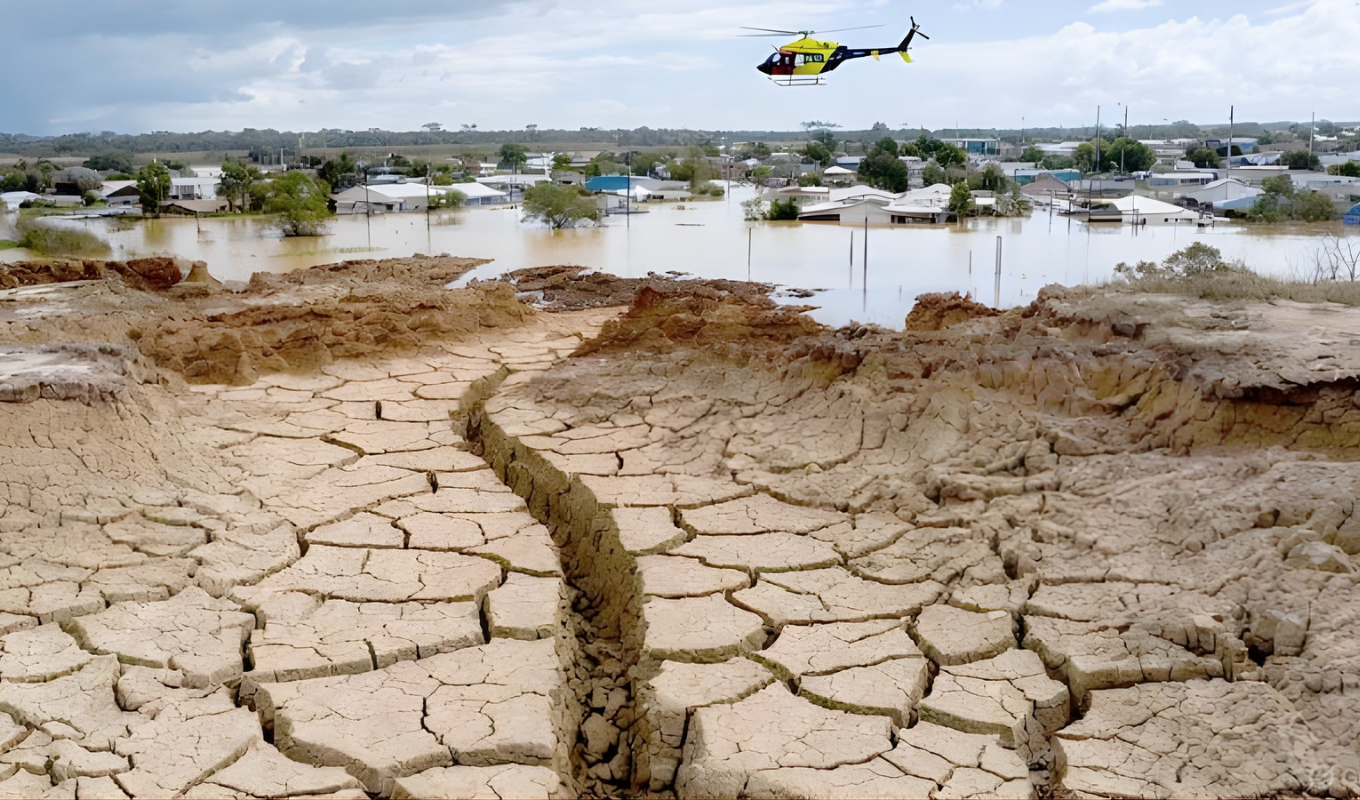
Australia is significantly lagging behind in the level of adaptation investment needed to manage the growing risks of natural disasters caused by climate change. A report by the Actuaries Institute highlights this concerning situation. According to the institute, if the investment gap continues, climate-related losses could more than double in the coming decades, severely destabilizing Australia’s economy.
The report, titled ‘Mobilising Investment for Climate Adaptation’, states that natural disasters currently cause an annual economic loss of approximately 38 billion Australian dollars. By 2060, this could rise to 73 billion. Without corrective action, critical infrastructure, housing, business, agriculture, and the insurance sector will face prolonged strain.
The report identifies weak policies and flawed frameworks as major reasons for the lag in adaptation investment. Conventional cost-benefit analyses fail to fully evaluate long-term risk reduction, resulting in delayed coastal protection, flood mitigation, fire safety infrastructure, and reconstruction projects in high-risk areas, despite their potential to prevent substantial losses.
The insurance sector is also directly impacted, with rising premiums in vulnerable areas and some regions becoming difficult to insure. The institute warns that without increased adaptation investment, the insurance market will grow more unstable, negatively affecting other sectors of the economy.
Report lead author Ramona Myrie emphasized that Australia’s current adaptation investment is insufficient given its climate risk, and the gap will result in higher future costs. She stresses that adaptation investment should be viewed not as an extra expense, but as an essential method to reduce future losses.
The country must act rapidly to improve infrastructure, urban planning, natural resource management, and city development. The report highlights that climate adaptation is a present economic reality, not just a future concern. Delays today will exponentially increase future costs.
KhaborwalaAJ

> Farhan Breaks Records, Eyes Babar Azam
> Bangladesh’s Asian Cup Bid: Courage Amid Defeat
> Foden’s World Cup Selection in Doubt
> Dhaka Bank Announces Strategic Health Partnership
> SBAC Bank Celebrates Fourteen-Year Journey
> CORPnet Accelerates Corporate Digital Shift
> Court Jails Singer Jahid Antu Over Harassment Case
> Drone Debris Kills Bangladeshi Worker in Fujairah
> Iraq Secure Historic World Cup Return After Forty Years
> Seven Bangladeshis Arrested in Major Terror Plot in India
> Travel Insurance Growth Lags in Bangladesh
> Three-Day School Holiday Announced Nationwide


Pakistani opener Sahibzada Farhan is currently in scintillating form in the Twenty20 format, dazzlin...

Phil Foden’s inclusion in England’s World Cup squad is now uncertain after underwhelming displays in...

Dhaka Bank PLC and Ascent Health Limited have signed a landmark Corporate Health Agreement, formalis...

SBAC Bank PLC has ushered in its fourteenth year of operations, marking the milestone with a “Meet t...

BRAC Bank has reported a robust year for its corporate internet banking platform, CORPnet, which pro...

Iran has issued a stark warning that any United States-led ground invasion would face overwhelming a...

The United Arab Emirates (UAE) is reportedly undergoing a significant strategic shift in response to...

Spanish football sensation Lamine Yamal has issued a strong public condemnation following the emerge...
Bangladesh recorded an unprecedented surge in remittance inflows in March, with expatriates sending...

Global commercial insurance premiums are projected to reach approximately $1.4 trillion in 2025, sig...

The outlook for Sompo Japan Insurance Inc. remains stable, though execution risks linked to its rece...

A growing number of Australians are expressing regret over delaying private health insurance, as pre...


Availabe for iphone & ipads

Available in google play
 বাংলা
বাংলা