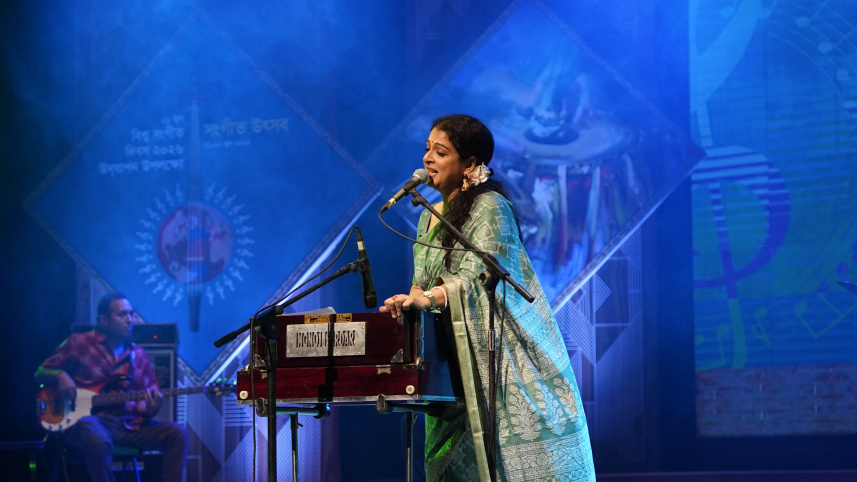
The Bangladesh Shilpakala Academy in Dhaka marked the conclusion of a vibrant two-day World Music Day festival on 22 June, bringing together a diverse array of musical traditions, distinguished guests, and a large audience of culture enthusiasts. The closing day featured an eclectic programme of performances that celebrated both the country’s rich folk heritage and its evolving contemporary soundscape.
The festival, held within the premises of the national cultural hub, showcased performances spanning folk, modern, instrumental, and international musical genres. Artists from different backgrounds shared the stage, reflecting the inclusive spirit of World Music Day, which is observed globally to promote musical diversity and cultural exchange.
The final day drew notable attendees from political and cultural spheres, underscoring the significance of the event in Bangladesh’s cultural calendar. Among those present were Ruhul Kabir Rizvi, Emran Saleh Prince, Zakir Hossain Rokan, Cultural Affairs Secretary Kaniz Moula, and Director General of the Bangladesh Shilpakala Academy Sheikh Rezauddin Ahmed.
Throughout the evening, audiences experienced a seamless blend of traditional melodies and modern interpretations. Folk segments paid homage to rural musical heritage, while contemporary performances highlighted the dynamism of Bangladesh’s evolving music scene. Instrumental pieces added depth to the programme, and select international-inspired arrangements reinforced the festival’s global outlook.
The atmosphere remained festive and engaging, with audiences responding enthusiastically to each performance. Organisers emphasised the importance of such cultural gatherings in nurturing young talent and preserving musical traditions in an increasingly globalised world.
Festival Highlights Overview
| Segment | Description | Musical Focus |
|---|---|---|
| Opening Folk Set | Traditional performances rooted in rural heritage | Bangladeshi folk music |
| Contemporary Fusion | Modern arrangements blending genres | Pop and fusion styles |
| Instrumental Showcase | Orchestral and solo instrumental performances | Classical and instrumental |
| International Segment | Global musical influences and reinterpretations | Cross-cultural music |
| Closing Ensemble | Collaborative finale performance | Mixed genres |
The Bangladesh Shilpakala Academy, as the country’s principal state-sponsored cultural institution, continues to play a pivotal role in promoting artistic expression and cultural education. Events such as the World Music Day festival reinforce its mission to provide a platform where diverse musical traditions can coexist, interact, and flourish.
The successful conclusion of the festival highlighted not only the vibrancy of Bangladesh’s cultural landscape but also its growing engagement with global artistic movements, positioning Dhaka as an active participant in international cultural dialogue.