Sunday, 5th April 2026

Khabor Wala Desk
Published: 13th February 2026, 12:08 PM
For over a century, the struggle for women’s emancipation in this land has been more than a chronicle of names and events—it is the very story of Bengali society’s quest for self-definition.
At the turn of the 19th and 20th centuries, when women’s education was nearly forbidden, Begum Rokeya wielded the pen as a weapon. Her vision for Sultana’s Dream was not mere fiction—it was a revolutionary outlook on society. Later, Ila Mitra faced persecution for her anti-British and anti-feudal activism with unflinching courage, while Preetilata Waddedar embraced martyrdom, taking up arms against colonial oppression.
This legacy continued through the Language Movement, the Liberation War, and the fight against authoritarian rule, with women’s participation consistently visible. Following independence, organisations such as the Bangladesh Mahila Parishad emerged, campaigning tirelessly for legal reform, family law, protection against violence, and political representation.
Yet today, questions persist.
Modern Bangladesh presents a paradox. On one hand:
Girls’ enrolment in primary and secondary education is historically high.
Women actively contribute to the ready-made garments industry, administration, banking, education, and even the armed forces.
Reserved seats in local government have ensured political presence.
Social media amplifies women’s voices in protest and organisation.
On the other hand:
Online and offline misogyny and gender-based violence are rising.
Religious and conservative political forces are gaining influence.
Some educated women continue to legitimise patriarchal norms as “natural” or “religious”.
This tension does not signify failure. Social progress is never linear. Expansion of women’s education and economic participation inevitably shifts familial power balances, which can provoke resistance. Patriarchal attitudes persist not only among men but are embedded within family, religion, social security, and economic dependency. Many women find safety, respect, or identity within these structures.
| Area | Key Progress |
|---|---|
| Life Expectancy | Increased for women |
| Maternal Mortality | Declined significantly |
| Education | Higher participation in tertiary education |
| Sports & Culture | International representation |
| Employment | Greater involvement in diverse sectors |
These accomplishments are tangible, shaping real lives, not just historical record. Simultaneously, issues like violence, inequality, child marriage, and workplace insecurity remain stark realities.
Bangladesh is neither uniform nor static. Its present is a mix of progress and backlash, protest and compromise. The question is not the absence of struggle, but its continuity:
Is the movement communicating in the language of the new generation?
Are rural and urban realities being equally addressed?
Can dialogue coexist with faith, rather than confrontation?
Can liberation be sustainable without economic security and social protection?
The path ahead requires critical self-reflection, promotion of independent thought in education, expansion of women’s economic autonomy, dialogue across social and religious spheres, and active engagement of the next generation.
Women’s liberation is not a story with a single conclusion. The struggle that began in Rokeya’s era continues today—the difference lies only in strategy. The question remains: which forces will we choose to empower? Because achievements can be lost if not safeguarded, and history stalls when the fight ceases.
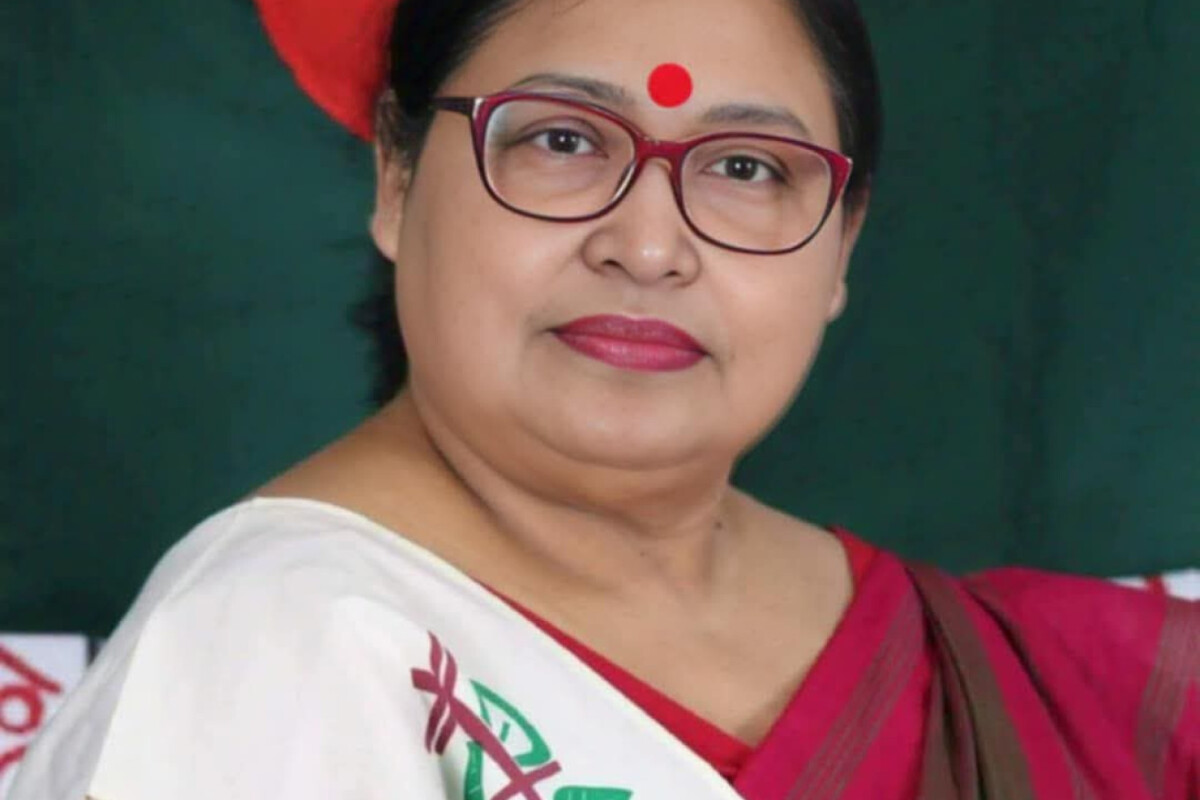
Hosneara Jamee is an expatriate poet, writer, and social activist.

Comments