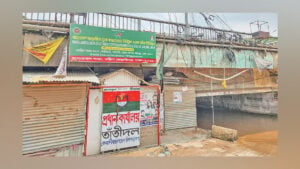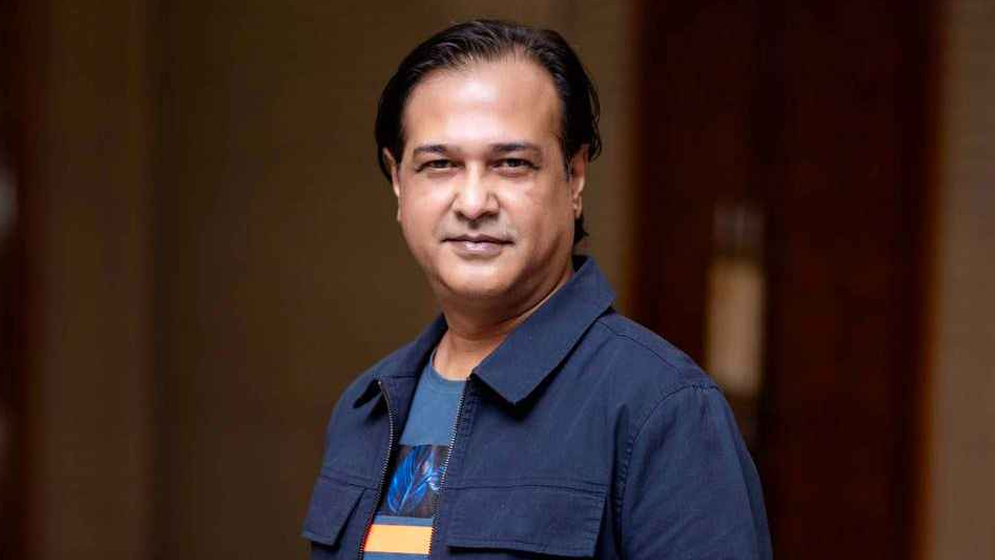
In a bid to restore order to the capital’s road transport network and resolve prolonged traffic congestion, Prime Minister Tariek Rahman has ordered the relocation of bus depots from three key hubs in Dhaka: Sayedabad, Gulistan, and Mohakhali. Following this directive, renowned vocalist Asif Akbar has publicly urged the administration to ensure that this critical decision is not shelved or delayed by bureaucratic inefficiencies, which he described as the “skeleton of a broken system”.
Facebook Response and Personal Observations
On Monday, 15 June, Asif Akbar shared his assessment of the government’s decision via a post on his verified Facebook account. The singer highlighted how the current positioning of these major bus terminals and depots unnecessarily complicates straightforward roadways, creating bottlenecks throughout the city.
Reflecting on his personal experience, Akbar stated that he has been a direct witness to and sufferer of this persistent traffic distress since his adolescence. He emphasised that relief from this structural congestion is urgently required. Expressing concern over past administrative precedents, he argued that vital public-interest decisions should not be left archived in files owing to institutional systemic flaws.
Highway Management and Battery-Operated Rickshaws
Beyond terminal relocation, Akbar stressed the necessity of implementing immediate, robust measures to curb general indiscipline across national highways. He specifically drew attention to unregulated battery-operated auto-rickshaws—referred to colloquially in his post as “Teslas”—which have increasingly migrated from narrow alleyways onto major highways.
According to the artist, these vehicles are predominantly operated by unskilled drivers, leading to frequent accidents, injuries, and fatalities. He noted that these operators generally lack valid driving licences and exhibit a disregard for established traffic regulations. Furthermore, Akbar pointed out that whenever affected citizens attempt to protest against these violations, the operators frequently gather collectively to incite disturbances. Consequently, he appealed to the elected government to enforce strict order across roads and highways.
Civic Responsibility and Enforcement Mechanisms
The vocalist also noted that systemic reform requires accountability from the general public, stating that citizens themselves often show a reluctance to abide by existing laws. He proposed that imposing strict financial penalties on traffic violators is the most effective mechanism to instil discipline into the road traffic system.
Akbar observed that early indications of such stringent enforcement are already visible on certain streets in Dhaka. Concluding his statement, he expressed his gratitude to the Prime Minister for initiating this public-friendly directive.
Summary of Key Points from the Statement
The table below outlines the core observations and specific demands articulated by Asif Akbar regarding Dhaka’s traffic infrastructure:
| Topic of Concern | Observations and Demands Articulated |
| Terminal Relocation Directive | Welcomes the relocation of Sayedabad, Gulistan, and Mohakhali depots; demands immediate execution without bureaucratic delays. |
| Historical Context | Cites personal experience as a victim of city terminal congestion since adolescence. |
| Unregulated Vehicles | Notes illegal expansion of battery-powered rickshaws from side alleys onto major national highways. |
| Driver Accountability | Highlights a lack of valid driving licences, absence of training, and hostile collective behaviour during public protests. |
| Proposed Solution | Recommends strict financial fines for traffic violators to systematically restore order. |
| Civic Discipline | Emphasises that the general public must be integrated into stricter regulatory frameworks. |
The directive by Prime Minister Tariek Rahman to clear the city centre of these three major terminal depots marks a major policy shift intended to modernise Dhaka’s transport infrastructure. Public figures and citizens alike remain expectant that relevant authorities will execute the order swiftly to alleviate the capital’s long-standing gridlock.