Khaborwala Online Desk
Published: 10 Mar 2026, 09:02 am
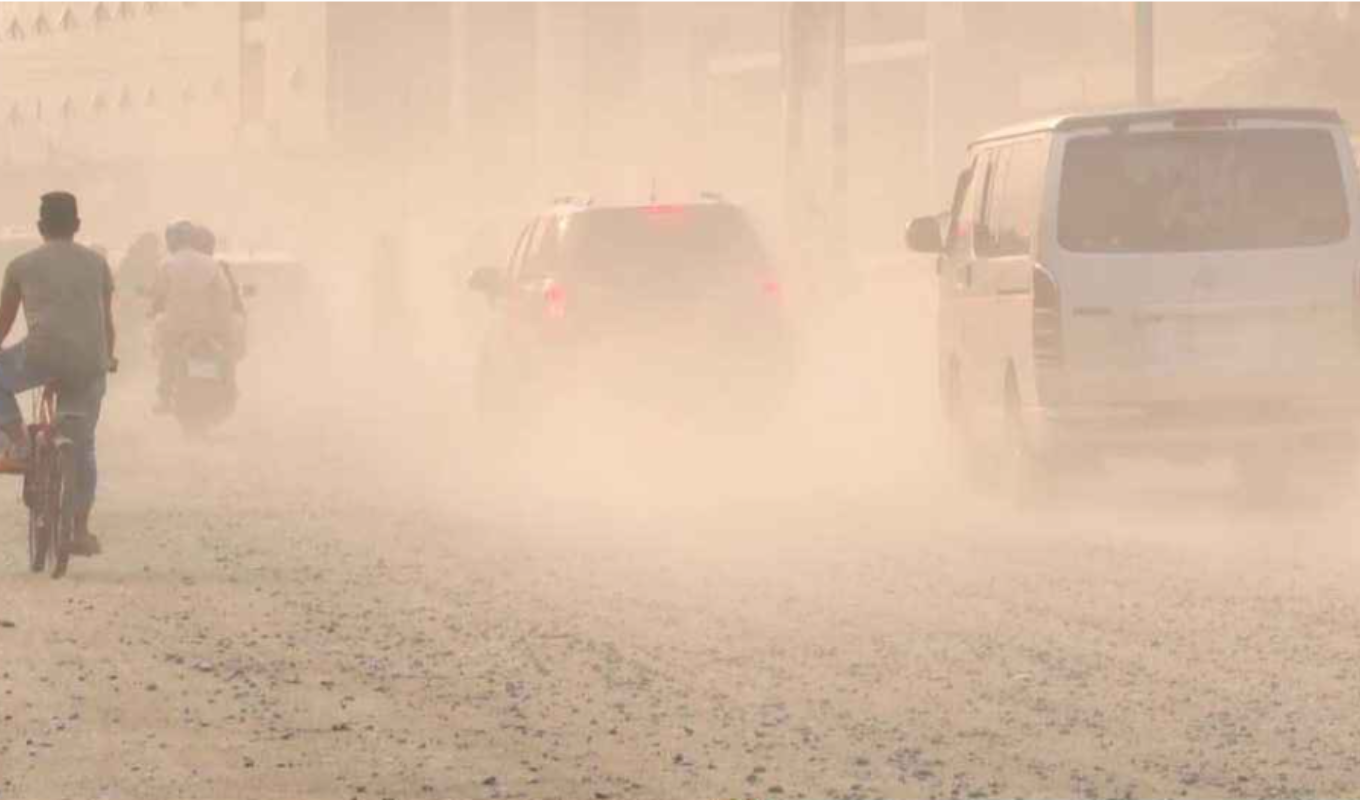
Dhaka, Bangladesh’s sprawling megacity, has once again claimed the unenviable position of the world’s most polluted city as of early Tuesday morning. Residents woke to hazardous air quality, raising immediate health concerns, particularly for children, the elderly, and those with respiratory conditions.
According to real-time data from international air quality monitoring organisation IQAir, Dhaka’s Air Quality Index (AQI) has been recorded at 241, a level categorised as “very unhealthy.” This designation signals severe health risks for the population, requiring vulnerable groups to remain indoors and for the general public to minimise outdoor activity. Although air quality in Dhaka had shown intermittent improvement in recent weeks, pollution levels have surged again to alarming levels.
Dhaka is closely followed by several major South Asian cities experiencing high pollution levels. The current top five cities, based on Tuesday’s AQI readings, are:
| Rank | City | Country | AQI Score | Health Category |
|---|---|---|---|---|
| 1 | Dhaka | Bangladesh | 241 | Very Unhealthy |
| 2 | Delhi | India | 218 | Very Unhealthy |
| 3 | Lahore | Pakistan | 215 | Very Unhealthy |
| 4 | Kathmandu | Nepal | 192 | Unhealthy |
| 5 | Yangon | Myanmar | 171 | Unhealthy for Sensitive Groups |
IQAir’s AQI scale indicates that a score of 0–50 represents “good” air quality, while 201–300 is considered “very unhealthy,” creating serious health risks for sensitive groups. A further escalation to 301–400 is deemed “hazardous,” posing severe risks even for healthy individuals.
Experts warn that with AQI levels in the “very unhealthy” range, children, the elderly, and those suffering from asthma or other respiratory conditions should remain indoors. Even the general population is advised to limit outdoor activities to reduce exposure to toxic pollutants. Prolonged exposure to such air can result in respiratory distress, eye irritation, cardiovascular stress, and long-term health complications.
The persistent air quality crisis in Dhaka is largely attributed to a combination of factors including unplanned urban construction, emissions from vehicles—particularly those with black smoke exhaust—and industrial pollution. While occasional rainfall or wind shifts may temporarily improve air quality, the lack of sustained mitigation strategies ensures that Dhaka repeatedly tops global pollution lists.
Environmentalists have urged authorities to implement urgent, effective measures to curb emissions, enhance urban planning, and enforce stricter industrial and vehicular regulations. Without decisive action, the city risks worsening public health outcomes, particularly among vulnerable populations.
Dhaka’s continued appearance at the top of international pollution rankings highlights the urgent need for long-term environmental policies and public awareness initiatives to protect the health of its 20+ million residents.

> Manulife Drives Structured Leadership Promotions
> Hospital Storekeeper Arrested Smuggling Government Medicines
> Gold Prices Fall Amid Global Market Volatility
> Iranian Women Footballers Seek Safety in Australia
> Mass Resignation of NCP Leaders in Rangamati
> Community Bank Arranges Textile Sector Financing
> Nina Ong Transforms Great Eastern Life Indonesia
> Sri Lanka Offers Free Visa to Rescued Iranian Sailors
> BNP MP Welcomes Freed Awami League Leader with Flowers
> Xavi Claims Laporta Blocked Messi’s Barcelona Return
> Bruno Mars’ ‘The Romantic’ Debuts at No. 1
> Zurich Insurance Acquires RedClick from Generali

Police in Kurigram have arrested a storekeeper from Roumari Upazila Health Complex for allegedly att...

Amid ongoing global economic uncertainties, gold prices in Bangladesh have once again experienced a...

A significant upheaval has occurred within the National Citizens Party (NCP) in Rangamati, as 87 lea...

Community Bank Bangladesh PLC has formalised syndication mandate agreements with R.A. Spinning Mills...
A 32-year-old man was fatally stabbed in Dhaka’s Shantibagh area late on Monday night after reported...

City Bank PLC and Toyota Bangladesh Limited have entered into a strategic partnership designed to en...
Bus operations in Bhola’s Charfassion Upazila have resumed following the suspension of an indefinite...

Bangladesh is set to receive 5,000 metric tonnes of diesel from India through a cross-border pipelin...

The Dhaka Metropolitan Police have launched a high-priority homicide investigation following the gri...

The Dhaka Metropolitan Police (DMP) has successfully concluded a rigorous, multi-district special op...
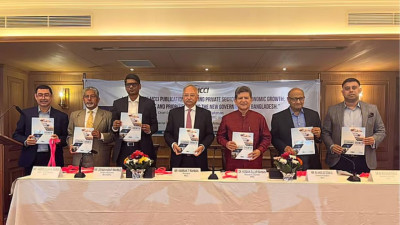
The nascent government is confronting a formidable economic landscape defined by seven systemic hurd...
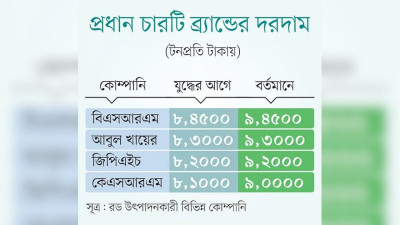
The construction sector in Bangladesh is facing a significant financial shock as the price of mild s...


Availabe for iphone & ipads

Available in google play
 বাংলা
বাংলা