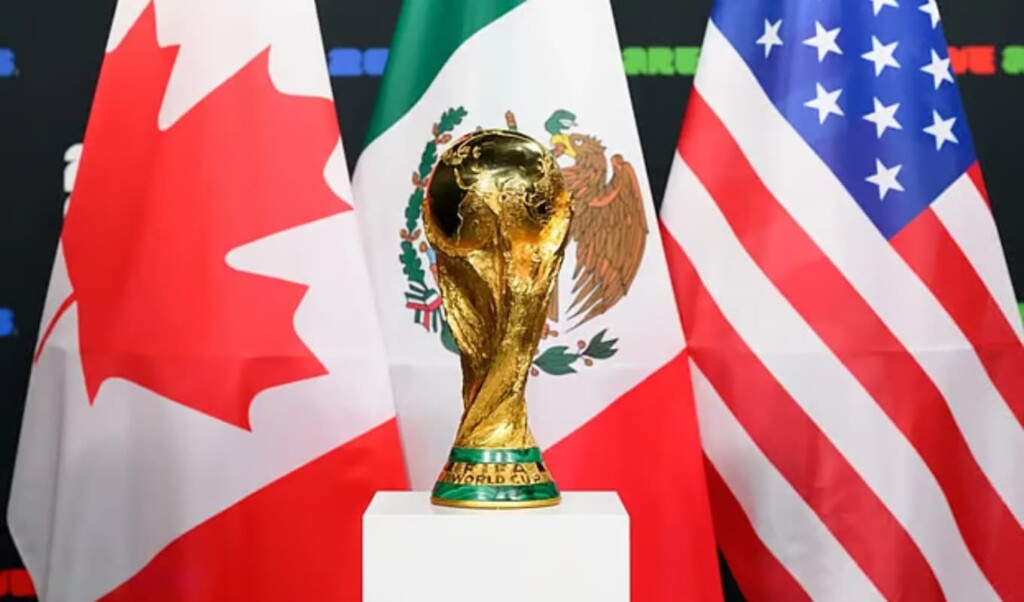
With only six days remaining until the commencement of the largest FIFA World Cup in history, the tournament is set to transition from its traditional 32-team format to an expanded 48-team system. This structural change increases the total number of matches from 64 to 104, whilst introducing a new knockout stage: the round of 32.
This expanded fixture list provides players and managers with unprecedented opportunities to establish new milestones. Several long-standing tournament records are under threat. Five historical milestones that could be surpassed during the upcoming tournament are detailed below.
1. Most World Cup Matches Won by a Manager
The record for the highest number of World Cup match victories by a manager is held by West Germany’s Helmut Schön, who secured 16 wins. Schön managed 25 matches across four consecutive tournaments between 1966 and 1978, guiding his team to one championship, one runners-up finish, and one third-place finish.
France manager Didier Deschamps is positioned to challenge this record, having secured 14 victories from 19 matches. Placed in a group alongside Norway, Senegal, and Iraq, France require two victories for Deschamps to equal Schön’s record. A further victory in the round of 32 would establish the 1998 World Cup-winning player as the most successful manager in tournament history by matches won.
2. Highest Total Goals in a Single Tournament
The 2022 FIFA World Cup in Qatar established a record with 172 goals scored across 64 matches, yielding an average of 2.69 goals per fixture. With the tournament expanding to 104 matches, this aggregate total is statistically likely to be surpassed.
Even if the upcoming tournament replicates the defensive average of the 1990 World Cup—the lowest-scoring tournament in history with 2.21 goals per match—the expanded format would still yield approximately 230 goals, surpassing the current record.
3. Appearances by Players Aged Forty and Over
Across the 22 previous editions of the World Cup, only seven players aged 40 or older have appeared on the pitch. The upcoming tournament features seven players who meet or exceed this age threshold.
| Player | Current Age | National Team | Position |
| Craig Gordon | 43 | Scotland | Goalkeeper |
| Cristiano Ronaldo | 41 | Portugal | Forward |
| Manuel Neuer | 40 | Germany | Goalkeeper |
| Edin Džeko | 40 | Bosnia and Herzegovina | Forward |
| Luka Modrić | 40 | Croatia | Midfielder |
| Fernando Muslera | 40 | Uruguay | Goalkeeper |
| Guillermo Ochoa | 40 | Mexico | Goalkeeper |
4. All-Time Top World Cup Goalscorer
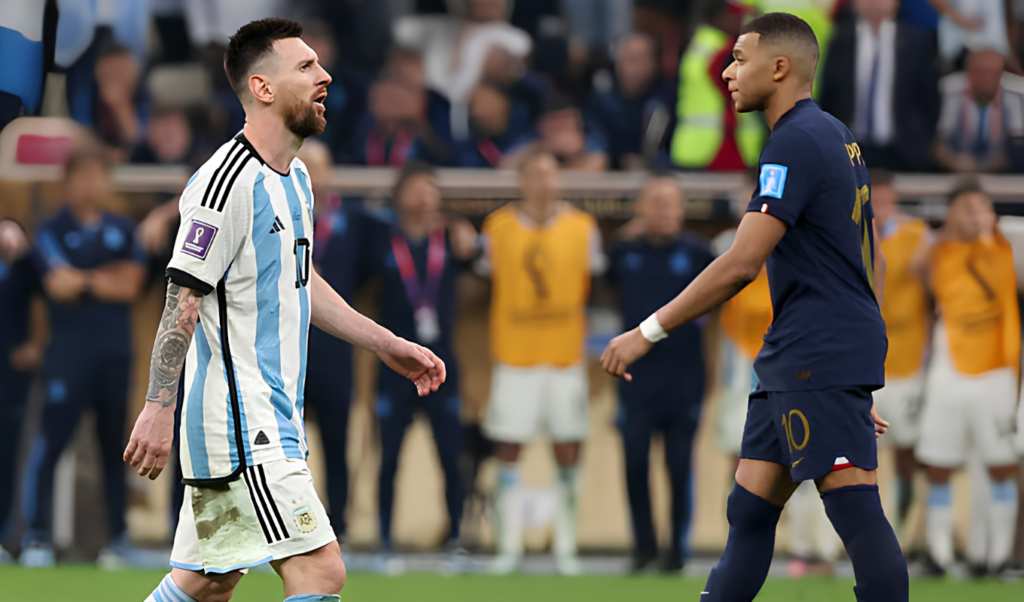
The all-time scoring record held by Germany’s Miroslav Klose, who scored 16 goals across his World Cup career, faces active challenges from Lionel Messi (13 goals) and Kylian Mbappé (12 goals). Whilst Cristiano Ronaldo, Harry Kane, and Neymar remain active on 8 goals each, they face a significantly larger deficit.
Messi will turn 39 during the tournament, whereas Mbappé enters the competition at 28 years of age. During the 2022 tournament, Mbappé scored eight goals to win the Golden Boot, whilst Messi scored seven times. If either player achieves half of their respective 2022 tallies, Klose’s historical record will be broken.
5. Youngest Golden Boot and Best Player Winners
At the 2010 World Cup in South Africa, Germany’s Thomas Müller claimed the Golden Boot at the age of 20 by scoring five goals. This record faces a challenge from Spain’s 18-year-old winger, Lamine Yamal, who previously played a prominent role in Spain’s UEFA Euro 2024 victory.
Additionally, the tournament record for the youngest recipient of the Golden Ball (Best Player award), established by Brazil’s Ronaldo at the age of 21 during the 1998 World Cup, could also be surpassed by Yamal or other emerging teenage prospects during this expanded edition.