khaborwala online desk
Published: 12 Mar 2026, 04:52 pm
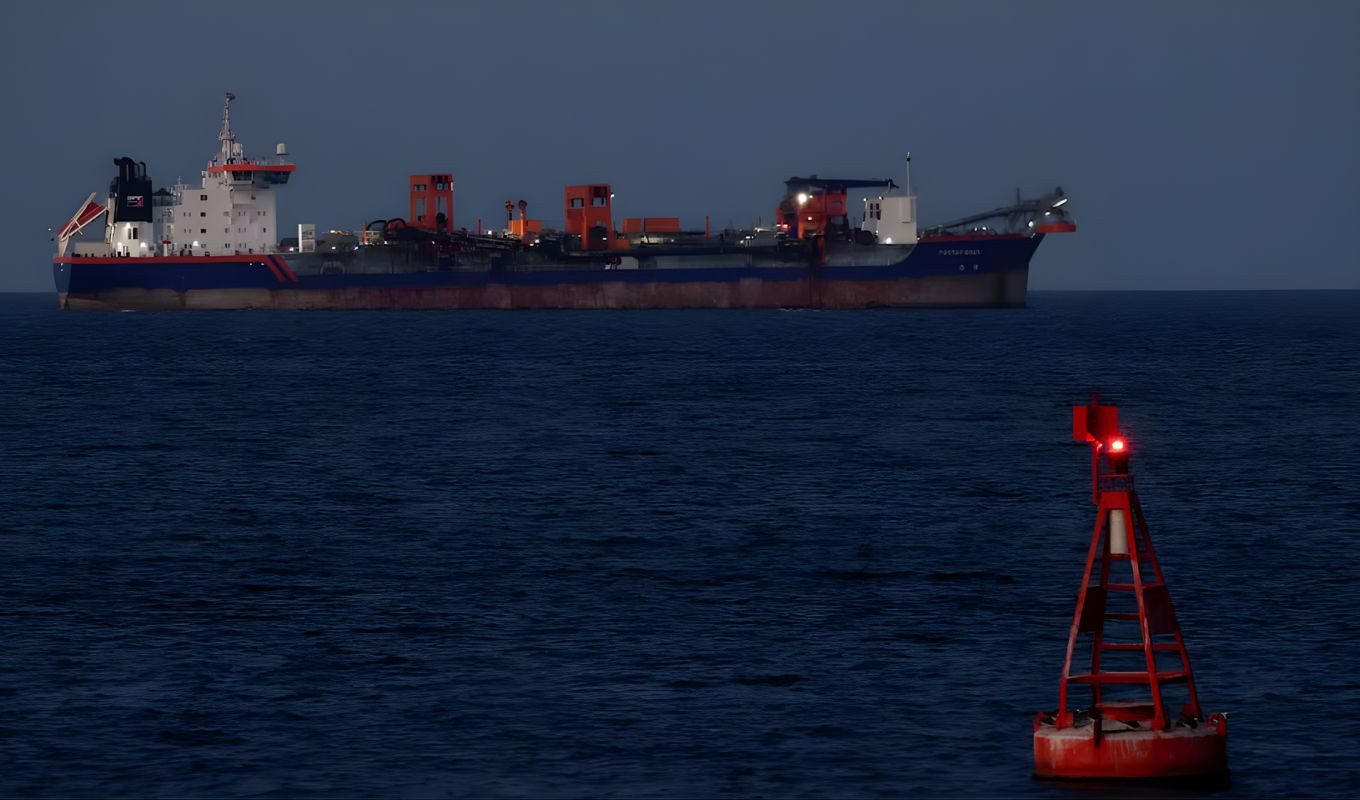
In response to escalating geopolitical tensions in the Middle East, particularly the near‑halt of maritime traffic through the strategic Strait of Hormuz, **President Donald J. Trump has unveiled a controversial government‑backed shipping insurance and reinsurance initiative. The scheme aims to revive commercial transit through the chokepoint — through which roughly one‑fifth of the world’s oil normally flows — amid heightened risks stemming from the ongoing conflict with Iran.
The U.S. International Development Finance Corporation (DFC) has launched a $20 billion maritime reinsurance facility designed to underwrite war‑related risks such as hull, machinery and cargo losses for eligible vessels navigating the Gulf. Renowned insurer Chubb Ltd. has been named the lead underwriter in the programme alongside other American insurers, in an effort to expand market capacity and restore confidence in maritime trade.
Despite this high‑profile push, major organisations in the global maritime insurance sector remain cautious, noting significant practical and financial obstacles. Some analysts argue that the scale of risk posed by ongoing hostilities – including attacks on tankers and threats from Iranian forces – far exceeds the coverage capacity of the government’s facility, potentially undermining its effectiveness.
Separately, industry stalwarts such as the Lloyd’s of London market have indicated they continue to offer war risk insurance, albeit at sharply elevated premiums that reflect the heightened danger. This underscores the reality that private insurers are already recalibrating risk rather than retreating entirely from the market.
| Element | Details |
|---|---|
| Reinsurance facility size | Approx. $20 billion |
| Coverage focus | Hull & machinery and cargo losses |
| Lead underwriter | Chubb Ltd. |
| Administered by | U.S. International Development Finance Corporation (DFC) |
| Objective | Restore shipping confidence and support continuous energy and commercial flows through the Strait of Hormuz |
| Challenges cited by industry | Limited capital relative to total exposure; ongoing security threats; reluctance of shipowners to transit a war zone without broader assurances |
Market observers have emphasised that greater safety and stability in the waters — rather than just financial cover — will be crucial to persuading operators to resume regular operations through the strait, currently perceived as one of the world’s most dangerous shipping corridors.
While Washington’s bold move reflects a strategic desire to prevent global energy disruption, insurers and shipping companies alike remain cautious about the practical implementation and ultimate impact of the plan.

> Citibank Temporarily Closes UAE Branches
> Limited Interbank Clearing During Eid Holidays
> Bijon Chandra Mistry Enlivens Morning Show
> SBP Permits Crude Oil Imports on CIF Basis
> Gulf Shipping Insurance Plan Faces Industry Resistance
> Global Fuel Prices Surge Amid Hormuz Strait Crisis
> KPop Demon Hunters Set for Oscar Stage Debut
> Iran’s New Supreme Leader Mojtaba Khamenei Injured
> Heeseung Departs Enhypen to Pursue Solo Career
> Pedestrian Assault Sparks Legal Notice to Model
> Hong Kong Approves First Captive Insurer of 2026
> Champions League Round of 16: Team Standings Ahead
> Home Insurance Costs Drop, but Experts Warn Rebound Possible
> BPO Sector — A Key Foreign Currency Earner — Under Pressure Amid Rising Mugging Fears


DUBAI, 12 March 2026 — Global banking giant Citibank has announced the temporary closure of the majo...

The central bank of Bangladesh has introduced a revised schedule for interbank cheque settlement dur...

The State Bank of Pakistan (SBP) has announced a temporary relaxation allowing crude oil and petrole...
Since the initiation of a joint military strike by the United States and Israel in Iran, petrol pric...

Pabna police have arrested three individuals following the alleged murder of a 17-year-old van drive...
Dhaka, 12 March 2026: President Md. Sahabuddin delivered a parliamentary address today, commencing h...

Uruguayan midfielder Federico Valverde produced a stunning hat-trick as Real Madrid emphatically def...

Zee Music Company has significantly expanded its independent music roster by signing veteran musicia...

Shreya Ghoshal, one of India’s most celebrated playback singers, marks her 42nd birthday on 12 March...

Dinajpur police have arrested a female drug dealer in Birampur, seizing a quantity of addictive subs...
In Narayanganj’s Fatulla area, a group of garment workers staged a road blockade on Thursday morning...

A tragic accident in Akhaura, Brahmanbaria District, claimed the life of a one-year-old boy, Ryan Mi...


Availabe for iphone & ipads

Available in google play
 বাংলা
বাংলা