The Iranian Foreign Minister, Abbas Araghchi, has concluded a high-stakes diplomatic visit to Islamabad, departing Pakistan shortly before the scheduled arrival of a high-level delegation from the United States. Following a series of intensive, top-level discussions on Saturday, 25 April 2026, the Foreign Minister commenced his return journey to Tehran, successfully navigating a sensitive diplomatic window.
The timing of the departure is of particular geopolitical significance, as it prevents any potential overlap with the visiting American representatives. During his stay in the Pakistani capital, Mr Araghchi engaged in several rounds of deliberations with the senior-most echelons of the Pakistani government and military establishment.
High-Level Engagements in Islamabad
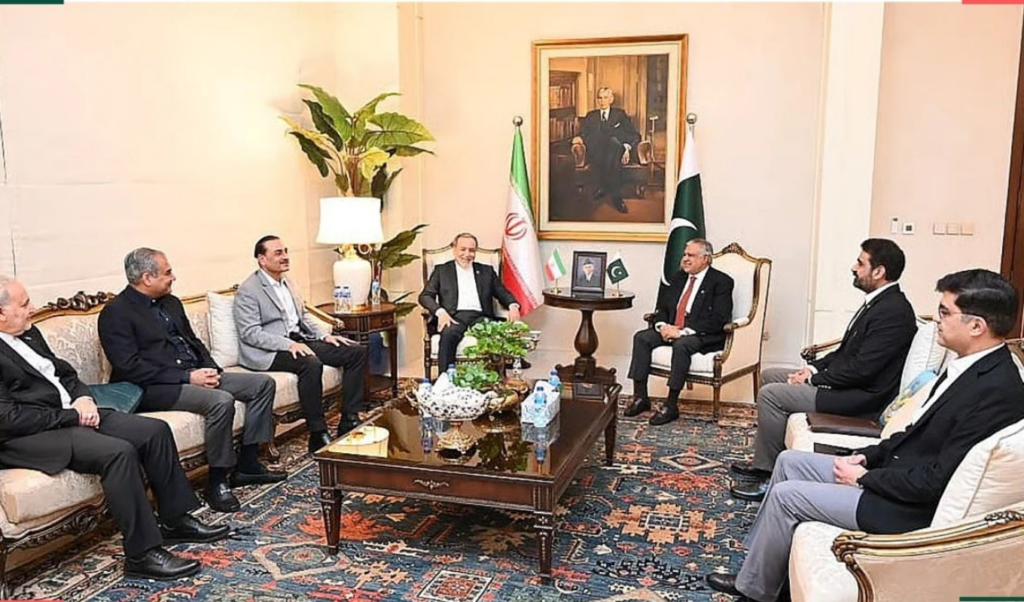
Throughout Saturday, the Iranian Foreign Minister held extensive meetings with Pakistan’s Prime Minister, Shehbaz Sharif, and the Chief of Army Staff, Field Marshal Asim Munir. These discussions were described as comprehensive, focusing on the volatile regional security landscape and the strengthening of bilateral ties between the two neighbouring Islamic republics.
In a formal communication issued via social media following the conclusion of the talks, Prime Minister Shehbaz Sharif characterised the dialogue as both “warm and productive.” He noted that the sessions provided a vital platform for the two nations to align their positions on matters of mutual interest and regional stability.
Pakistan’s Deputy Prime Minister, Ishaq Dar, provided further details regarding the summit, noting that the principal meeting between the leaders lasted approximately two hours. Mr Dar emphasised that the primary focus of the engagement was the promotion of dialogue and diplomacy as the fundamental tools for maintaining peace within the region. The discussions also covered economic cooperation and border security management, which have remained central pillars of the Islamabad-Tehran relationship.
Observational Reports and Diplomatic Protocol
Prior to the official confirmation of his departure, international media outlets had noted signs of the Iranian delegation’s conclusion of their itinerary. The British news agency Reuters published photographs of a diplomatic motorcade traversing the capital, indicating that the Iranian Foreign Minister was in the process of vacating the city.
The Iranian Ministry of Foreign Affairs subsequently clarified that Mr Araghchi’s visit to Islamabad was part of a broader regional tripartite tour. Tehran maintained a firm stance regarding the logistics of the trip, stating explicitly that there were no intentions or plans for a direct encounter or communication with the arriving American representatives.
The Impending Arrival of the American Delegation
The White House has confirmed that a specialised United States delegation is scheduled to arrive in Pakistan later on Saturday. This delegation is composed of high-ranking figures within the administration of President Donald Trump, including the President’s Special Envoy, Steve Witkoff, and his son-in-law and former senior advisor, Jared Kushner.
The American visit is expected to focus on regional security, counter-terrorism efforts, and the broader implications of Middle Eastern dynamics on South Asian stability. The arrival of such high-profile figures reflects Washington’s continued strategic interest in Pakistan’s role as a regional mediator.
Geopolitical Context and Regional Implications
The rapid sequence of diplomatic activity in Islamabad underscores Pakistan’s delicate position as it balances relations between Tehran and Washington. While Iran and the United States remain locked in significant diplomatic friction, both nations view Pakistan as a critical partner in addressing regional challenges.
By concluding his visit prior to the arrival of Kushner and Witkoff, Minister Araghchi has adhered to a strict diplomatic protocol that avoids the complexities of a “back-door” encounter. This careful management of diplomatic schedules highlights the ongoing sensitivity of Iran-US relations and the calculated nature of contemporary Middle Eastern and South Asian diplomacy. As the American delegation commences its meetings with the Pakistani leadership, the focus will likely shift towards Washington’s specific objectives for regional alignment and the de-escalation of current tensions.