Published: 24 Feb 2026, 07:13 am
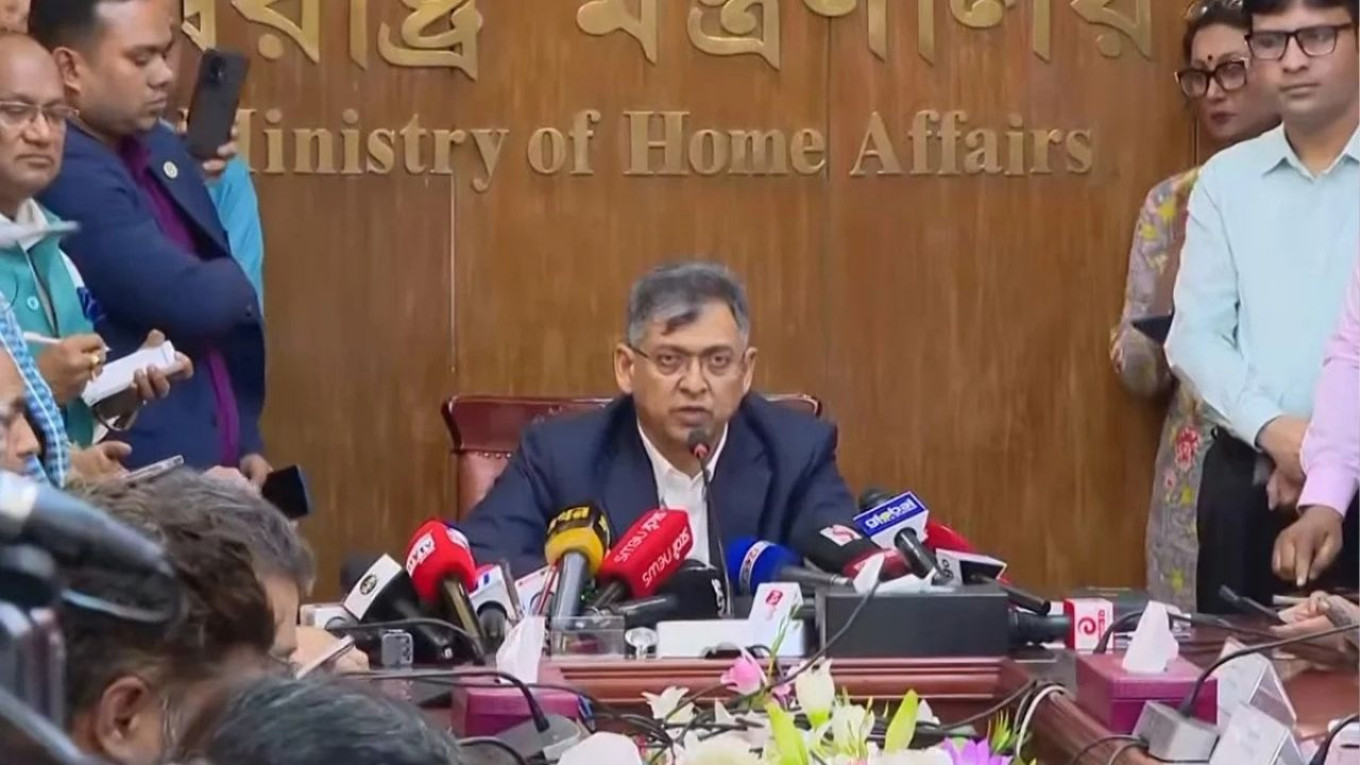
In a resolute declaration aimed at restoring the professional integrity of the nation's law enforcement, the Home Minister, Salahuddin Ahmed, has asserted that no individual or entity will be permitted to interfere with police operations. Speaking to members of the press at the Secretariat on Monday afternoon, the Minister emphasised that the era of partisan meddling in the execution of legal duties is over.
Minister Ahmed acknowledged the significant damage dealt to the reputation of the police force due to historical political manipulation. He noted that for too long, the force has been perceived as an instrument of political will rather than a neutral arbiter of Law and Justice (আইন ও বিচার).
"The image of the police has been severely compromised by political interference in the past," the Minister remarked. "We are committed to reclaiming that lost prestige. Henceforth, no one—be they politically or socially influential—shall obstruct or intervene in the legitimate work of the police."
The Home Minister issued a stern warning that any attempt to hinder police work would be met with immediate legal consequences. However, he balanced this by stating that the police themselves would be held to higher standards of transparency to ensure their actions do not cause undue hardship to the public.
To achieve this, the Ministry has outlined a framework focused on three core pillars:
Zero Tolerance: Immediate repercussions for those obstructing officers.
Institutional Autonomy: Shielding the force from external pressure.
Enhanced Oversight: Ensuring officers remain accountable for their conduct.
| Objective | Strategy | Intended Outcome |
|---|---|---|
| Operational Independence | Removal of partisan influence in postings and investigations. | Fair and impartial law enforcement. |
| Public Trust | Regular performance audits and grievance mechanisms. | Improved relationship between police and citizens. |
| Legal Protection | Strict prosecution of those harassing officers on duty. | Higher morale and safety for personnel. |
The Minister’s remarks signal a departure from the "politicisation" that has historically plagued the force. By making accountability a central theme, the administration hopes to transform the police into a modern, citizen-centric service.
"Accountability will be ensured," Salahuddin Ahmed concluded. "While we protect the police from illegal interference, we will also ensure they serve the people with professionalism and restraint."

> From Student Leader to Scholar Shamim’s Academic Ascent
> Ballots After Revolutions: Five Lessons
> Dermot Kennedy’s Live Concert in Lancaster
> Abul Khair Group to Hire 200 Staff
> Police Seek Return to Traditional Uniforms
> Sheikh Hasina Named First Accused Pilkhana Case
> Family Card Scheme: Recipients to Receive Monthly Allowance
> Bangladesh Ready for South Africa Tour; Full Schedule Here
> "I Did Not Seek This Office," Says Foreign Minister
> Violence Erupts in Gaibandha Over Alleged Political Feuds
> Prosecutor Alleges Corruption Against Chief Prosecutor
> Four family members injured in gas cylinder explosion in Comilla
> Sheikh Hasina Named First Accused Pilkhana Case
> Retention in Health Insurance: Tangible Benefits or Trust?


In a notable transition from student politics to the ivory tower, Shamim Hossain, a former prominent...

Abul Khair Group, one of Bangladesh’s prominent business conglomerates, has announced a major recrui...
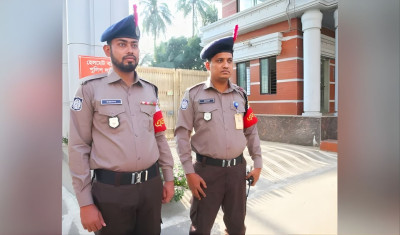
Concerns have resurfaced among field-level police personnel regarding the recently introduced unifor...

The legal proceedings over the 2009 Pilkhana killings remain entangled in a complex web of judicial...
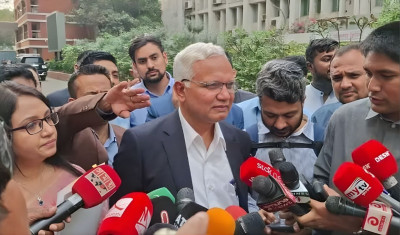
The Government of Bangladesh is set to launch a pilot programme for the much-anticipated Family Card...
In the realms of Bengali language, literature, and thought, Dr. Ahmed Sharif shone as a brilliant an...

In a harrowing incident in Jhalkathi, a police Sub-Inspector (SI) sustained injuries while attemptin...

The Bangladesh High Court has directed a formal investigation into unprecedented allegations of corr...
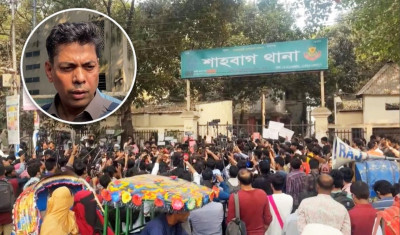
Students of Dhaka University have staged a protest outside Shahbagh Police Station, demanding legal...
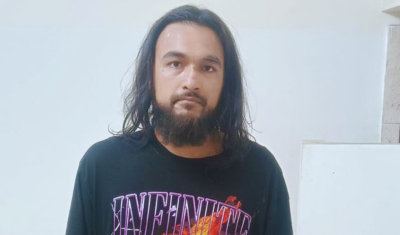
Renowned Bangladeshi singer Mainul Ahsan Nobel was granted bail on Tuesday following his arrest the...
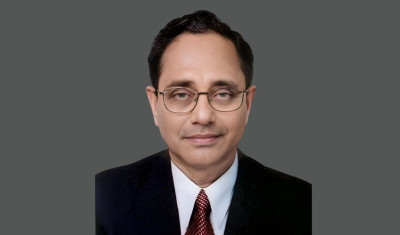
Sheikh Kabir Hossain, a towering figure in Bangladesh’s insurance sector and former President of the...
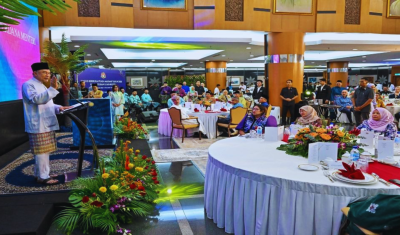
The High Commissioner of Bangladesh to Malaysia, Monjurul Karim Khan Chowdhury, has formally appeale...


Availabe for iphone & ipads

Available in google play
 বাংলা
বাংলা