The nation is set to observe Holy Ashura tomorrow, marking the 10th day of Muharram in the Islamic year 1448 Hijri. The occasion holds profound religious, historical and spiritual significance for Muslims around the world and is observed as a day of remembrance, reflection and mourning.
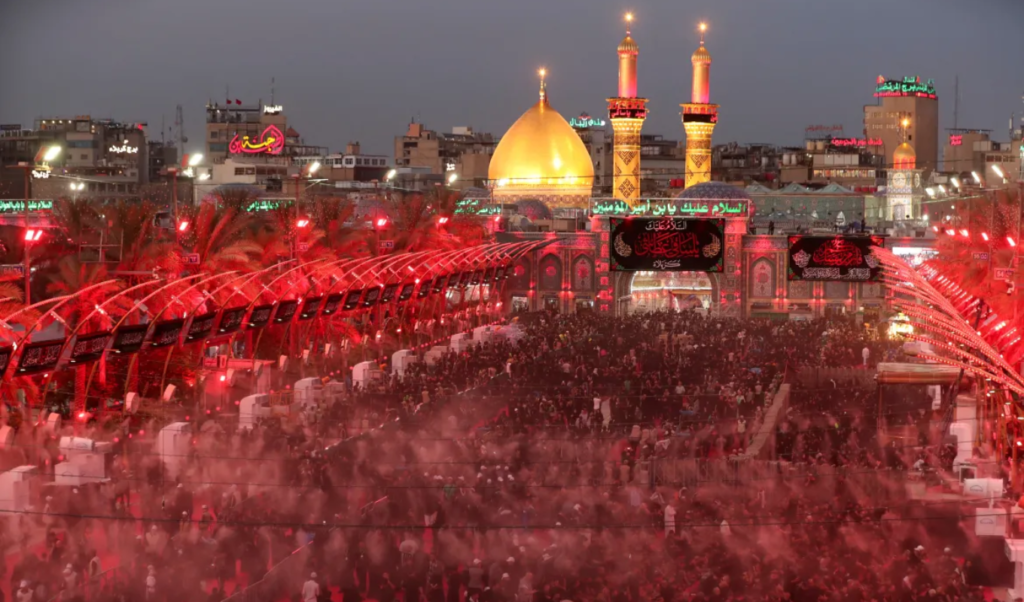
Holy Ashura commemorates several important events in Islamic history, but it is most closely associated with the tragedy of Karbala, one of the most poignant and defining moments in the Muslim world. On the 10th of Muharram in 61 Hijri, corresponding to 680 CE, Hazrat Imam Hussain (RA), the beloved grandson of Prophet Muhammad (PBUH), along with members of his family and loyal companions, was martyred on the plains of Karbala near the Euphrates River in present-day Iraq.
Their sacrifice, made in defence of truth, justice and moral integrity against the forces of Yazid, remains a powerful symbol of resistance against oppression. For centuries, the events of Karbala have inspired Muslims and people of conscience across the world to uphold principles of justice, human dignity and steadfastness in the face of adversity.
In Bangladesh, Holy Ashura will be observed as a public holiday. Religious institutions, community organisations and Islamic bodies have arranged a range of programmes to mark the occasion, including discussions on the significance of the day, Qur’an recitations, milad mahfils, special prayers and supplications.
President Mohammed Shahabuddin and Prime Minister Tarique Rahman have issued separate messages marking the occasion. In their statements, they called upon citizens to embrace the values embodied by Holy Ashura and work towards building a peaceful, humane, just and prosperous Bangladesh. Both leaders emphasised the enduring relevance of the lessons of Karbala in contemporary society.
State-owned and private media outlets are also scheduled to broadcast special programmes highlighting the historical and religious importance of Ashura. Discussions featuring Islamic scholars, historians and religious leaders are expected to focus on the enduring legacy of Imam Hussain (RA) and the universal message of sacrifice and justice associated with the day.
Across the country, particularly in the capital Dhaka, members of the Shia community will observe the occasion with due solemnity and religious devotion. Traditional mourning processions, known as Tazia processions, along with commemorative gatherings and religious ceremonies, are being organised in several parts of the city.
To ensure the peaceful observance of the day, extensive security measures have been put in place by law enforcement agencies. The Dhaka Metropolitan Police (DMP) has announced comprehensive arrangements covering security, crowd management and traffic control for all major programmes associated with Holy Ashura.
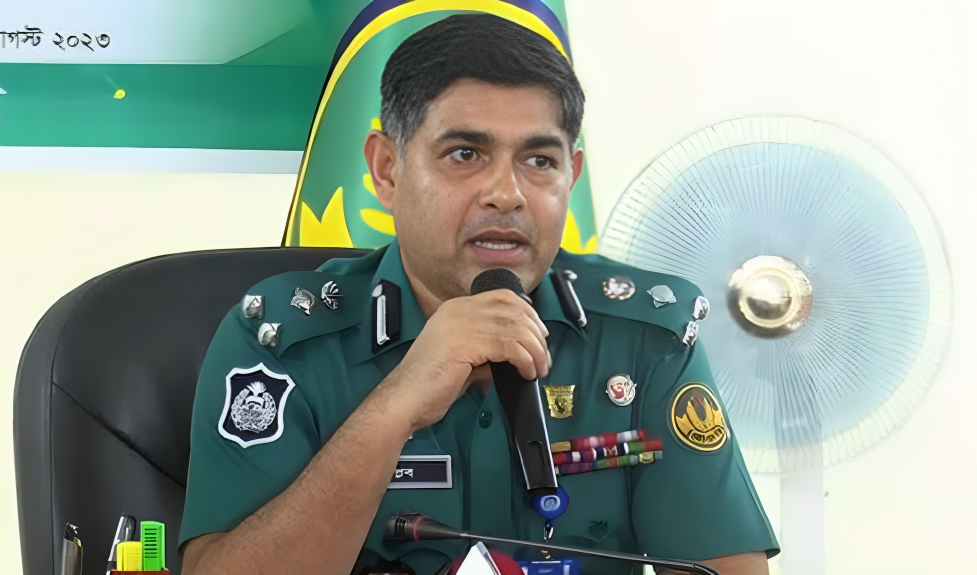
DMP Commissioner Mosleh Uddin Ahmed said special preparations had been undertaken to ensure that Tazia processions and other mourning events proceed in a peaceful, orderly and dignified manner. Participants have been instructed not to carry sharp metallic objects, weapons, flammable materials, sticks, spears, swords, bags, suitcases or suspicious packages during the processions.
Authorities have also imposed restrictions on the use of high-volume sound systems, drums, fireworks and firecrackers in an effort to maintain the solemn atmosphere traditionally associated with the occasion. Organisers have been advised that ceremonial banners used during processions should not exceed specified height limits.
Traffic diversions will remain in effect on designated routes from 10:00 am until the conclusion of the processions. Motorists and members of the public have been requested to use alternative roads to minimise congestion and facilitate the movement of participants.
Meanwhile, the Islamic Foundation organised a discussion and prayer session at the south veranda of the Baitul Mukarram National Mosque ahead of the observance. The programme, titled “The Importance and Significance of Ashura”, brought together religious scholars and officials to discuss the historical and spiritual dimensions of the occasion.
Islamic scholars and commentators have noted that the lessons of Karbala extend far beyond a historical event. They argue that the sacrifice of Imam Hussain (RA) represents a timeless struggle for justice, ethical leadership and human dignity. The values associated with Ashura continue to resonate across generations, serving as a reminder of the importance of standing firm against injustice and remaining committed to moral principles.
As Muslims across Bangladesh and the wider world prepare to observe Holy Ashura, the day offers an opportunity not only for mourning and remembrance but also for reflection on the enduring ideals of courage, sacrifice and righteousness that have defined its legacy for more than thirteen centuries.