Published: 10 Mar 2026, 06:35 am
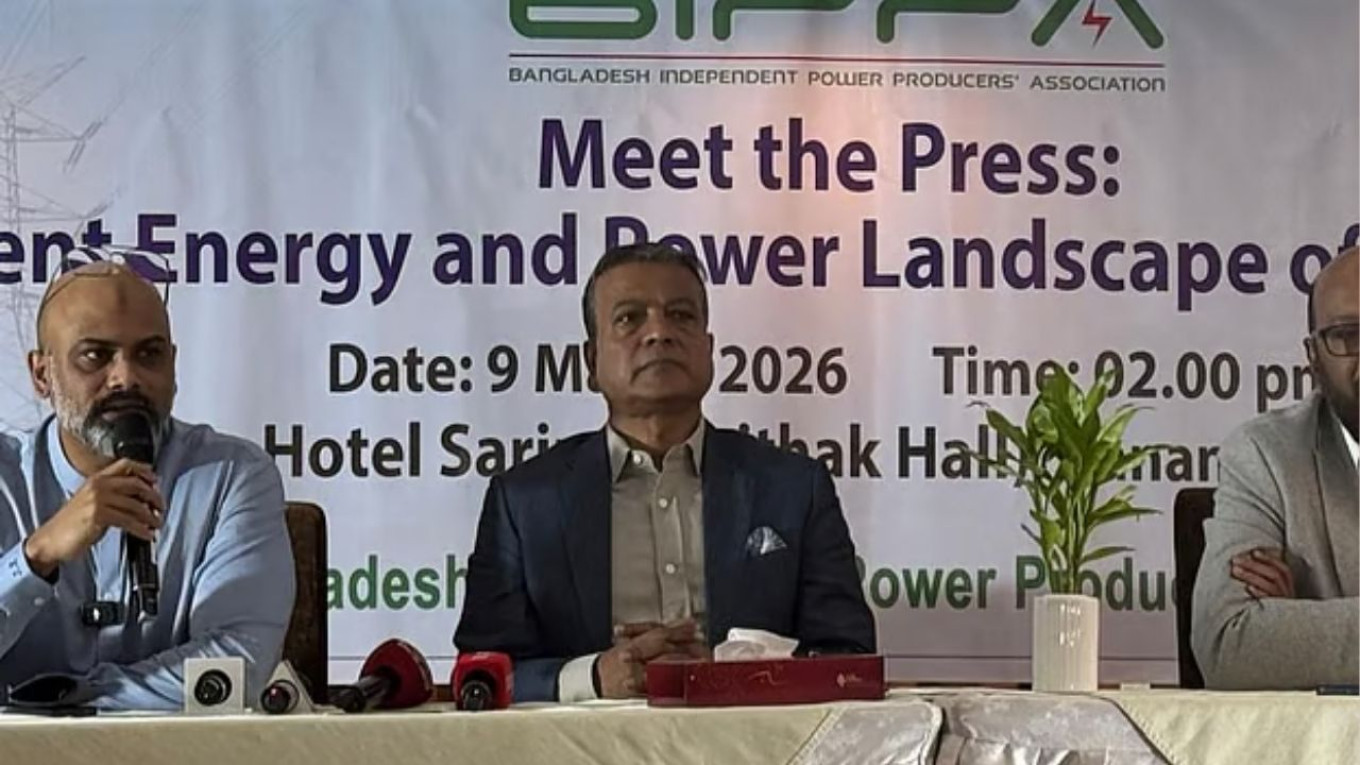
The Bangladesh Independent Power Producers Association (BIPPA) has issued a stark warning regarding the country’s looming energy security crisis. In a high-level press conference held at a Dhaka hotel on Monday, private power plant owners demanded the immediate settlement of outstanding dues, suggesting that the government issue sovereign bonds if cash reserves are insufficient.
The association argued that without these funds, they will be unable to open the Letters of Credit (LCs) necessary to import the furnace oil and diesel required to keep turbines spinning during the upcoming peak summer season.
According to BIPPA, while contracts mandate that bills be settled within 30 days, payments are currently lagging by 180 to 270 days. With outstanding arrears reportedly reaching 14,000 crore BDT, private producers find themselves in a liquidity trap.
"We cannot sustain production while carrying such massive debts," a spokesperson noted. The association highlighted that the previous interim administration successfully averted load-shedding by releasing a 5,000 crore BDT bond to settle arrears. They are now calling for a similar intervention to allow them to clear bank loans and secure fresh fuel shipments.
While Bangladesh boasts an installed capacity exceeding 28,000 MW, the "effective" capacity is significantly lower due to fuel shortages and maintenance cycles. BIPPA provided a detailed breakdown of the current operational landscape:
| Category | Capacity Impact (MW) | Reason for Unavailability |
|---|---|---|
| Total Installed Capacity | 28,000+ | Nominal maximum output |
| Gas-based Shortfall | (6,000) | Acute shortage of natural gas |
| Maintenance Reserve | (1,626) | Scheduled technical repairs |
| Renewable Drop | Variable | Solar unavailability during night peaks |
| Effective Peak Capacity | 18,627 | Actual power available for the grid |
The financial strain is exacerbated by a global surge in energy prices. Over the last six years, fuel costs for power generation have spiked by 95%, while operational expenses have risen by 55%. Conversely, retail electricity prices for high-end consumers have only increased by 54%, leaving a widening gap that the government must fill with subsidies.
To mitigate these costs, BIPPA has proposed a temporary suspension of import duties:
34% duty on furnace oil.
22% duty on Liquefied Natural Gas (LNG).
Former BIPPA President Imran Karim warned that current fuel stocks are critically low. Most oil-based plants only have enough reserves to last until 7–10 April. "If these plants go offline due to lack of fuel, the national grid will face an unmanageable deficit," he cautioned. Current President K.M. Rezaul Hasnat added that 23% of plants are already idle due to the gas crisis, and with limited infrastructure to increase LNG imports, oil remains the only viable short-term bridge.

> Dhaka Tops Global Air Pollution Rankings Again
> City Bank, Toyota Strengthen Corporate Cooperation
> Bus Strike Suspended After Charfassion Violence
> Diesel Shipment Arrives Through India Pipeline
> G7 Withholds Strategic Oil Reserves Despite Price Surge
> Citizens Caught in Crossfire as Conflict Impacts Europe
> Nina Ong Transforms Great Eastern Life Indonesia
> Xavi Claims Laporta Blocked Messi’s Barcelona Return
> Sri Lanka Offers Free Visa to Rescued Iranian Sailors
> BNP MP Welcomes Freed Awami League Leader with Flowers
> Zurich Insurance Acquires RedClick from Generali
> Major Attack on Bahrain’s Key Oil Refinery

Dhaka, Bangladesh’s sprawling megacity, has once again claimed the unenviable position of the world’...
City Bank PLC and Toyota Bangladesh Limited have entered into a strategic partnership designed to en...
Bus operations in Bhola’s Charfassion Upazila have resumed following the suspension of an indefinite...
Bangladesh is set to receive 5,000 metric tonnes of diesel from India through a cross-border pipelin...
The Dhaka Metropolitan Police have launched a high-priority homicide investigation following the gri...

The Dhaka Metropolitan Police (DMP) has successfully concluded a rigorous, multi-district special op...
The nascent government is confronting a formidable economic landscape defined by seven systemic hurd...
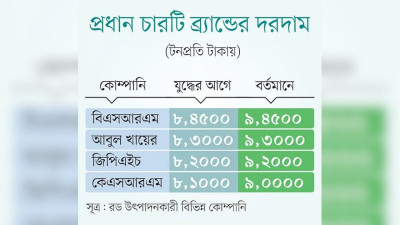
The construction sector in Bangladesh is facing a significant financial shock as the price of mild s...

The celebrated Bangladeshi singer and actress Jaffer Rahman has finally broken her silence regarding...

In a decisive move to bolster foreign direct investment (FDI) and enhance the ease of doing business...

A devastating fire broke out on Monday at LA Plaza, a prominent 11-storey commercial building in Dha...
The escalating geopolitical instability in the Middle East has sent shockwaves through global energy...


Availabe for iphone & ipads

Available in google play
 বাংলা
বাংলা