Published: 10 Mar 2026, 07:55 am
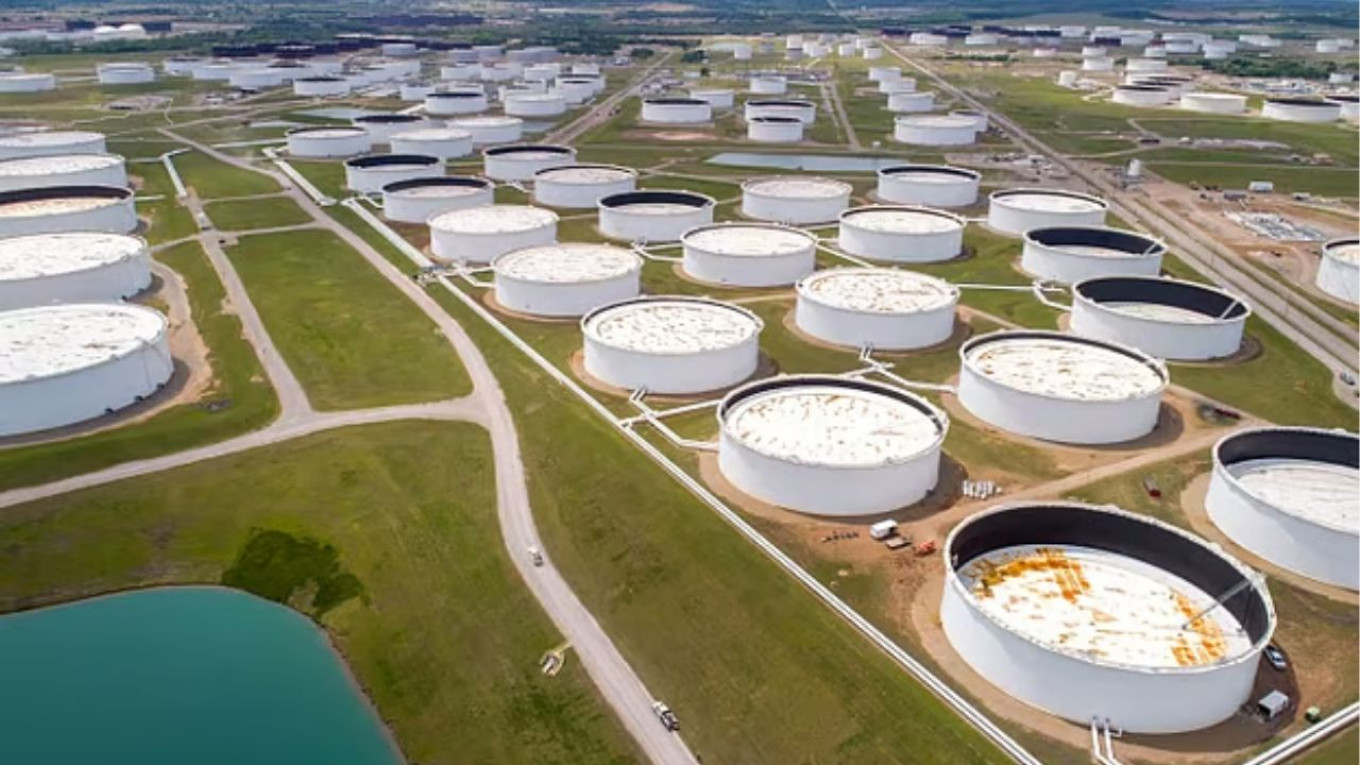
The G7 group of advanced economies has reached a preliminary consensus to refrain from releasing emergency fuel stockpiles, despite a volatile spike in global energy prices. Following a high-level assembly of finance ministers on Monday, the bloc signaled that while they remain "ready to act," the immediate deployment of Strategic Petroleum Reserves (SPR) is not yet warranted.
The deliberation was triggered by a dramatic surge in crude oil prices late Sunday night, fuelled by escalating geopolitical tensions in the Middle East. While the markets braced for a coordinated intervention, the G7—comprising the United Kingdom, United States, Canada, France, Germany, Italy, and Japan—opted for a stance of "watchful waiting."
A senior G7 official, speaking on condition of anonymity, indicated that the decision was rooted in the principle of "timing and necessity." The consensus suggests that a premature release of reserves could deplete critical buffers before the full extent of the supply disruption is understood.
"There was a general harmony in the room," the official told Reuters. "It is not a matter of opposition to releasing the reserves, but rather a question of identifying the optimal moment. We require further analytical review before pulling such a significant lever."
| Indicator | Pre-Weekend Level | Monday Peak | Change (%) |
|---|---|---|---|
| Brent Crude (per barrel) | $82.50 | $94.10 | +14.1% |
| WTI Crude (per barrel) | $78.20 | $89.50 | +14.4% |
| Market Sentiment | Cautious | Volatile | N/A |
| G7 Action Taken | Monitoring | Verbal Intervention | Deferred |
The finance ministers' meeting is merely the opening gambit in what is expected to be a week of intense diplomatic activity. On Tuesday, G7 energy ministers are scheduled to hold a teleconference to discuss the technicalities of global supply chains and refinery outputs.
The final mandate, however, is expected to come from the G7 heads of state, who are slated to meet later this week. Analysts suggest that the bloc is attempting to balance market stabilisation with the need to maintain long-term energy security. By withholding the reserves now, the G7 retains its most potent weapon against a potential total blockade or a more severe regional conflagration.
Strategic reserves are traditionally reserved for physical supply disruptions rather than purely speculative price hikes. The UK and its allies maintain millions of barrels in subterranean salt caverns and tanks, designed to sustain national economies for at least 90 days in the event of a total import halt. A coordinated release is a rare event, last seen on a significant scale during the initial stages of the Russia-Ukraine conflict.
As the week progresses, the international community will be looking toward Washington, London, and Tokyo for any shift in this policy. For now, the message to the markets is clear: the taps remain closed, but the hand is on the valve.

> Gold Prices Fall Amid Global Market Volatility
> Iranian Women Footballers Seek Safety in Australia
> Mass Resignation of NCP Leaders in Rangamati
> Community Bank Arranges Textile Sector Financing
> Young Man Fatally Stabbed in Shantibagh Dispute
> Dhaka Tops Global Air Pollution Rankings Again
> Nina Ong Transforms Great Eastern Life Indonesia
> Xavi Claims Laporta Blocked Messi’s Barcelona Return
> Sri Lanka Offers Free Visa to Rescued Iranian Sailors
> BNP MP Welcomes Freed Awami League Leader with Flowers
> Bruno Mars’ ‘The Romantic’ Debuts at No. 1
> Zurich Insurance Acquires RedClick from Generali

Five members of the Iranian women’s national football team have taken refuge in a secure location in...
The President of the European Commission, Ursula von der Leyen, has issued a stark warning regarding...

The Mineiro Championship final in Brazil, traditionally a showcase of South American footballing fla...

The ethical fault lines within the artificial intelligence sector have shifted dramatically followin...
In a significant move to revitalise their international standing, Sri Lanka Cricket (SLC) has offici...
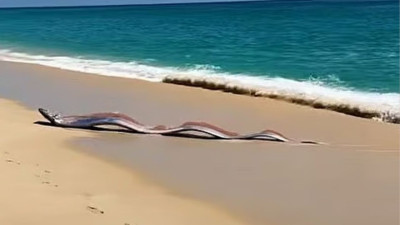
The pristine shores of Cabo San Lucas, Mexico, became the stage for an extraordinary and, for some,...
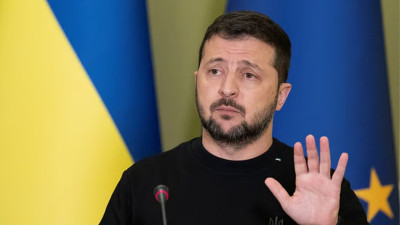
In a striking reversal of the traditional security assistance dynamic, President Volodymyr Zelenskyy...

Lionel Messi reportedly wanted to return to Barcelona—but why did the eagerly anticipated “last danc...
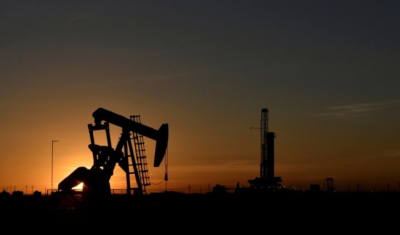
Global oil markets have been thrown into turmoil following Iran’s retaliatory strikes in response to...

The European football title races are heating up across the continent, with several leagues witnessi...
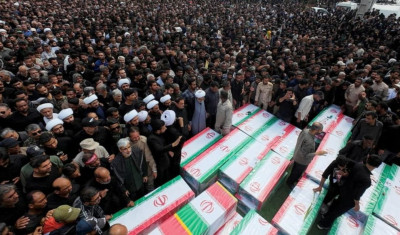
On 28 February, a catastrophic incident shook the city of Minab in Iran, when a primary school was h...

The distance spanned nearly four thousand kilometres, from Sydney to Perth. While the Western Sydney...


Availabe for iphone & ipads

Available in google play
 বাংলা
বাংলা