Bangladesh is poised to achieve a historic milestone in its energy sector, with the Rooppur Nuclear Power Plant expected to supply 300 megawatts of electricity to the national grid on an experimental basis by late August. Fakir Mahbub Anam, the Minister for Science and Technology, shared the development, expressing optimism that the first unit’s supply will scale up significantly to exceed 1,000 megawatts by December this year.
As the country inches closer to entering the elite global club of nuclear-powered nations, structural timelines for full-scale operations are also becoming clearer. Dr Md Zahedul Hassan, the Managing Director of the Nuclear Power Plant Company Bangladesh Limited (NPCBL)—the operating body of the facility—disclosed that the first unit is slated for full commercial production at the beginning of 2027. The second unit is projected to follow suit by early 2028.
Stringent oversight and safety standards
The progress comes amid heightened scrutiny regarding the safety, operational readiness, and spent fuel management of the mega-project. Addressing recent media reports and public anxieties, Dr Hassan emphasised that the facility operates under a rigorous, multi-layered regulatory framework rather than the unilateral decisions of a single entity.
Operational safety and compliance are being monitored continuously by international and domestic watchdogs. The project adheres strictly to the guidelines of the International Atomic Energy Agency (IAEA) and undergoes supervision by Rostechnadzor, Russia’s independent regulatory body, alongside the Bangladesh Atomic Energy Regulatory Authority (BAERA). To ensure an extra layer of precaution, VO Safety, a Germany-based international technical assessment organisation, is independently evaluating the safety protocols at every single stage of commissioning.
Domestic capacity and fuel management
Responding to skepticism surrounding local operational capabilities, the NPCBL chief reassured that Bangladesh has spent the last decade systematically building a highly skilled workforce. Hundreds of Bangladeshi engineers and technicians have undergone rigorous, long-term training in Russia to meet international standards. Working alongside Russian experts on-site, NPCBL has evolved into a fully capable operating institution prepared to manage the plant independently.
The Spent Fuel Strategy
Concerns regarding the disposal of highly radioactive spent nuclear fuel have also been put to rest. Bangladesh has established a formal ‘Spent Fuel Take-Back’ agreement with the Russian Federation.
According to international protocols, spent fuel cannot be transported immediately after extraction from the reactor. It must first be stored and cooled within Rooppur’s specialised on-site spent fuel pools for a designated period. Once the thermal radiation subsides to safe levels, the material will be shipped back to Russia under the bilateral treaty, eliminating any long-term environmental liability for Bangladesh.
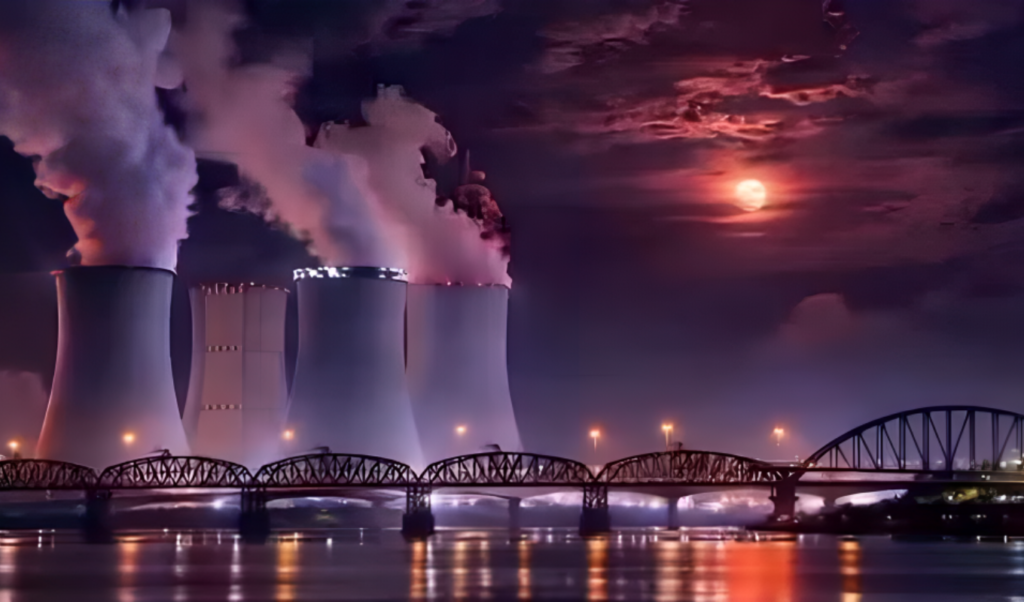
The Rooppur Nuclear Power Plant, located on the banks of the Padma River in Ishwardi, Pabna, features two state-of-the-art Russian VVER-1200 reactors. These Generation III+ reactors incorporate advanced passive safety systems capable of withstanding severe natural disasters. Once both units are fully operational, the plant will inject a combined 2,400 megawatts of clean baseload electricity into the national grid, dramatically altering Bangladesh’s energy landscape and reducing its heavy reliance on fossil fuels.