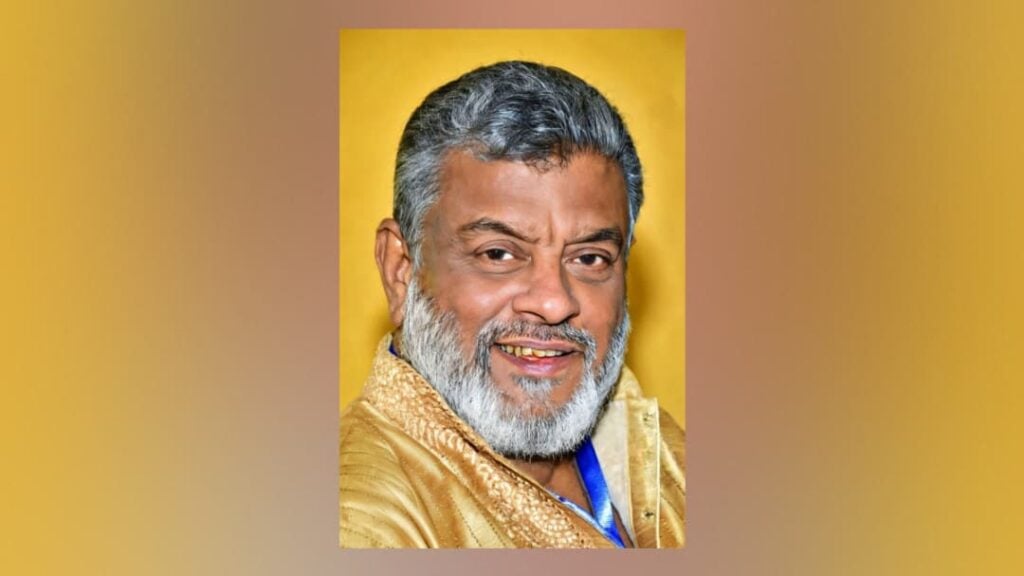
Bangladesh’s Liberation War was fought not only on the battlefield but also through music, poetry and the power of artistic expression. While freedom fighters took up arms to secure independence, musicians and cultural activists used their talents to inspire courage, strengthen patriotism and sustain the hopes of a nation struggling for freedom. Sujeya Shyam was one of those remarkable individuals whose music became an enduring part of Bangladesh’s history of liberation.
A valiant freedom fighter, a musical voice of Swadhin Bangla Betar Kendra, and a distinguished composer and music director, Sujeya Shyam left an indelible mark on the country’s cultural landscape. His compositions reflected the spirit of independence, the sacrifices of 1971 and the rich musical traditions of Bengal. Through patriotic songs, film scores and efforts to preserve the music of the Liberation War, he helped ensure that the memories and ideals of the independence struggle would continue to resonate with future generations.
Born in Sylhet on 14 March 1946, Sujeya Shyam developed a deep passion for music from an early age. His dedication, perseverance and creative talent eventually established him as one of Bangladesh’s respected musical figures. His career encompassed a wide range of musical forms, from patriotic compositions to film music and songs associated with the country’s most defining historical experience.
For him, music was far more than entertainment. It was a language capable of reaching the human heart, awakening national pride and preserving history through melody.
Music as a Weapon in the Liberation War
The Liberation War of 1971 was among the most significant chapters of Sujeya Shyam’s life. Through his association with Swadhin Bangla Betar Kendra, he devoted his musical abilities to the cultural struggle for independence.
During the war, Swadhin Bangla Betar Kendra emerged as a vital source of information, encouragement and inspiration for freedom fighters and civilians. Its broadcasts included news, speeches, poetry, patriotic songs and other programmes that reinforced resistance against Pakistani military rule. At a time of immense uncertainty, violence and displacement, the radio station helped sustain morale and strengthen the determination of those who aspired to an independent Bangladesh.
Music played a particularly important role in this effort. Songs broadcast over the airwaves conveyed messages of courage, resistance and hope, reaching listeners who were experiencing the hardships of war. While armed fighters confronted the enemy on the battlefield, musicians helped keep the spirit of freedom alive through their creative work.
Sujeya Shyam was among the cultural workers who contributed to this historic movement. His involvement demonstrated how artistic expression could become a form of national service, complementing the armed struggle and helping preserve the cultural identity of the Bengali people.
One of the most memorable songs associated with his musical legacy is Bijoy Nishan Urchhe Oi (The Banner of Victory Is Flying), for which he composed the music. The song captures the determination of a people striving for independence and conveys the hope, courage and anticipation that characterised the struggle for liberation.
Even decades after independence, the song continues to evoke powerful emotions among Bangladeshis. Its enduring appeal reflects the ability of music to preserve collective memories and connect successive generations with the sacrifices that made national freedom possible.
Sujeya Shyam’s contribution to the Liberation War therefore extended beyond his achievements as a composer. He was part of a generation of artists who recognised that the struggle for independence was also a fight to preserve language, culture, identity and the right of a people to determine their own future.
The Rise of the ‘Raja-Shyam’ Partnership
Sujeya Shyam’s career in the film industry began in 1969, when he started working with music director Raja Hossain under the professional name ‘Raja-Shyam’. Their collaboration gradually established a recognised presence in Bangladesh’s film music scene.
During the 1970s and 1980s, the duo jointly directed music for approximately 25 films, including Suryagrahan, Surya Sangram and Bhool Jokhon Bhanglo. Their work demonstrated an ability to adapt musical arrangements to different cinematic narratives, helping enrich the soundscape of Bengali cinema.
Their music direction for Suryagrahan earned them a Bangladesh Chalachitra Sangbadik Samity (BACHSAS) Film Award. The recognition marked an important achievement in their partnership and highlighted the quality of their collaborative work.
The experience of composing music for films also helped Sujeya Shyam develop a deeper understanding of the relationship between melody, narrative and visual storytelling. Film music requires more than an attractive tune; it must complement the plot, express the emotions of characters and reinforce the atmosphere of individual scenes.
Working alongside Raja Hossain provided a valuable foundation for his subsequent career as an independent music director. It also allowed him to explore different musical approaches and gradually establish his own artistic identity.
Establishing an Independent Musical Identity
In 1986, Sujeya Shyam began working independently as a music director with Bolban, directed by Abdul Latif Bachchu. This marked a new phase in his career, giving him greater scope to develop his individual musical vision.
His compositions for films explored a broad spectrum of human emotions. Love, separation, personal struggles and affection for the homeland all found expression in his music. His ability to adapt arrangements to the subject matter and emotional atmosphere of a film became one of the defining features of his work.
His contribution to cinema was not confined to creating popular songs. He also sought to strengthen the relationship between music and storytelling, using melody to deepen the emotional impact of scenes and bring audiences closer to the characters and their experiences.
Through his work, Sujeya Shyam helped enrich Bangladesh’s film music tradition at a time when the industry was developing its own distinctive artistic character. His experience across different musical forms enabled him to bring versatility and sensitivity to a range of cinematic projects.
Hasan Raja and National Film Award Recognition
One of the most significant milestones in Sujeya Shyam’s career was his work on Hasan Raja, a film based on the life of the celebrated Bengali mystic poet and folk musician Hasan Raja.
Hasan Raja occupies an important place in Bengal’s musical heritage. His songs explore spiritual reflection, human existence and the relationship between worldly desires and inner understanding. Translating such a distinctive artistic and philosophical tradition into cinema required a musical approach capable of capturing its depth and emotional character.
Sujeya Shyam’s music direction for Hasan Raja earned him the National Film Award for Best Music Director. At the special request of filmmaker Chashi Nazrul Islam, he also sang a song in the film, demonstrating that his abilities extended beyond composition and musical direction.
The project brought together the traditions of Bengali folk music and cinematic storytelling. Through his musical arrangements, Sujeya Shyam contributed to presenting Hasan Raja’s life, philosophy and artistic legacy to a wider audience.
He also received National Film Awards for Best Music Director for Joyjatra, Obuj Bou and Jaibati Kanyar Mon. These honours brought his total number of National Film Awards for music direction to four, reflecting the breadth and consistency of his achievements.
The awards were significant not only as personal milestones but also as recognition of his contribution to the development of Bangladesh’s film music industry. They demonstrated his ability to work across different narratives and musical settings while maintaining a distinctive creative approach.
Bringing the Liberation War to the Screen
The Liberation War remained a central influence throughout Sujeya Shyam’s artistic life. For him, it was not simply a historical event but an enduring source of national identity, courage and inspiration.
In 2014, he directed the music for two films based on the Liberation War: Ekattorer Khudiram and Ekattorer Ma Janani. Both projects revisited a defining period in Bangladesh’s history and formed part of the wider cultural effort to preserve memories of the independence struggle.
Music has a distinctive role in historical cinema. A carefully composed score can establish the atmosphere of a particular period, intensify the emotional weight of events and help audiences connect with the experiences of people whose lives were shaped by conflict.
For Sujeya Shyam, whose own life had been closely associated with the cultural struggle of 1971, these projects offered an opportunity to apply his experience to the presentation of the nation’s history.
His work reflected an enduring commitment to ensuring that the sacrifices of the Liberation War remained meaningful to younger generations. Through music, historical events could be experienced not merely as facts in a textbook but as human stories involving courage, suffering, resistance and hope.
His contribution to Liberation War-themed cinema reinforced the importance of artistic expression in preserving historical memory and passing national experiences from one generation to another.
Preserving the Musical Heritage of Swadhin Bangla Betar Kendra
Sujeya Shyam’s commitment to music extended beyond creating new compositions. He also recognised the importance of safeguarding the songs that had accompanied Bangladesh’s struggle for independence.
In 2006, he served as music director for an album titled Swadhin Bangla Betarer Gaan, featuring 46 songs broadcast by Swadhin Bangla Betar Kendra during the Liberation War.
The project represented a significant effort to preserve an important part of the country’s cultural history. The songs broadcast in 1971 were more than musical performances; they recorded the emotions of a nation under attack, expressed resistance against oppression and sustained the hope of eventual victory.
Many of these compositions became closely associated with the experiences of the war. Their melodies and messages helped communicate the aspirations of the independence movement at a time when ordinary channels of communication had been severely disrupted.
Preserving such music is essential to maintaining a connection with the past. Historical songs can lose their context or become less accessible to younger listeners if they are not properly recorded, documented and passed on.
By bringing together 46 songs from the radio station’s wartime repertoire, Sujeya Shyam helped renew public access to this musical heritage. The initiative also reflected his understanding that an artist’s responsibility extends beyond personal achievement to include the preservation of a nation’s collective cultural memory.
His efforts ensured that the songs associated with the independence struggle could continue to reach listeners and retain their place in Bangladesh’s musical history.
Awards and Honours for a Distinguished Career
Sujeya Shyam’s achievements received recognition through several major awards and honours in Bangladesh.
His four National Film Awards for Best Music Director remain among the most prominent milestones of his professional life. The awards recognised his work on Hasan Raja, Joyjatra, Obuj Bou and Jaibati Kanyar Mon, demonstrating his sustained contribution to the film industry.
In 2015, he received the Shilpakala Padak in recognition of his contribution to the arts and culture. In 2018, he was awarded the Ekushey Padak, one of Bangladesh’s most important state honours.
The Ekushey Padak recognises distinguished contributions across several fields, including arts and culture. The award acknowledged the significance of Sujeya Shyam’s musical achievements and his role in enriching the country’s cultural life. The Shilpakala Padak likewise reflected recognition of his creative work.
Yet an artist’s legacy cannot be measured by awards alone. The lasting value of music lies in its ability to touch people’s lives, evoke shared memories and connect generations with their history and cultural identity.
In Sujeya Shyam’s case, his greatest achievement lay in the combination of artistic excellence and national service. His music enriched Bengali cinema, while his association with the Liberation War and his efforts to preserve historical songs strengthened the cultural memory of Bangladesh.
His Final Farewell on 18 October 2024
Sujeya Shyam died on the morning of 18 October 2024, bringing to a close a life devoted to music, creativity and the preservation of Bangladesh’s cultural heritage.
His death was a significant loss for the country’s music community. Bangladesh lost a distinguished composer and music director, as well as a freedom fighter whose contribution to the independence struggle had been expressed through the power of music.
His career spanned several important phases in the development of the country’s cultural landscape. From his association with Swadhin Bangla Betar Kendra in 1971 to his subsequent work in cinema and his efforts to preserve historical songs, he remained closely connected with the artistic expression of Bengali identity.
His passing also served as a reminder of the contribution made by cultural workers during the Liberation War. Their role differed from that of combatants, but their work helped sustain morale, communicate the aspirations of the independence movement and preserve the cultural foundations of the emerging nation.
Sujeya Shyam belonged to this distinguished tradition. His life demonstrated how music could serve as an instrument of resistance, a repository of historical memory and a source of collective pride.
Although his life has ended, the music associated with his career continues to carry the memories and aspirations of the generations that fought for independence. Patriotic songs recall the courage of freedom fighters and the sacrifices of countless people who helped secure Bangladesh’s freedom.
His film compositions, meanwhile, remain part of the broader body of work through which Bangladeshi musicians have explored love, loss, identity and the complexities of human experience.
A Legacy That Will Continue to Inspire
Sujeya Shyam’s life stands as a powerful example of how an artist can serve a nation through creativity, commitment and cultural preservation. He was a freedom fighter, a musical voice of the independence movement, a distinguished composer and a guardian of an important part of Bangladesh’s musical heritage.
His contributions connected different dimensions of the country’s cultural experience. Through patriotic songs, he helped preserve the musical memory of the Liberation War. Through film music, he enriched the emotional language of Bengali cinema. Through his preservation efforts, he helped bring historically significant songs to new audiences.
These contributions remain relevant in a society where cultural heritage is closely linked to national identity. Historical songs allow younger listeners to develop an emotional connection with events they did not experience themselves. They also provide insight into the hopes, fears and determination of those who lived through one of the most consequential periods in Bangladesh’s history.
Sujeya Shyam’s legacy is particularly meaningful because it brings together artistic accomplishment and national service. His compositions remind listeners that independence was achieved not only through armed resistance but also through the determination of a people to protect their language, culture and right to self-determination.
Whenever the songs of Swadhin Bangla Betar Kendra are heard, whenever music from Liberation War-themed films brings the past into the present, and whenever his compositions are revisited by music lovers, his contribution finds renewed life.
His story reminds us that the service of a freedom fighter does not end when the battlefield falls silent. Through art and music, the memory of sacrifice can be preserved, patriotism can be inspired and a nation can remain connected with its history.
Sujeya Shyam will therefore be remembered not simply for the awards he received or the films he worked on, but for the enduring relationship between his music and Bangladesh’s journey towards independence.
His melodies will continue to evoke the pride of liberation, while his work will remain a testament to the richness of Bengali musical traditions and the power of artistic expression to shape collective memory.
To Sujeya Shyam, the valiant freedom fighter, dedicated musical voice of Swadhin Bangla Betar Kendra, distinguished composer and music director, we offer our deepest respect and heartfelt tribute.
You may have left this world, but your melodies remain. They will continue to travel across Bangladesh, finding a home in the hearts of its people.
Your life has ended, but your music will continue to tell the story of Bangladesh.