International energy markets recorded a substantial price increase on Thursday, 28 May 2026, following a new round of United States military operations against a naval facility in southern Iran. The targeted airstrikes have disrupted a brief period of market stabilization, renewing concerns over potential supply vulnerabilities across the Middle East.
According to a formal press brief from United States Central Command (CENTCOM), American naval assets successfully intercepted and destroyed four Iranian military drones operating near the Strait of Hormuz. Following these interceptions, US forces executed a precision strike against a command installation inside a military compound in the coastal city of Bandar Abbas, neutralizing the facility.
Immediate Impact on Global Crude Benchmarks
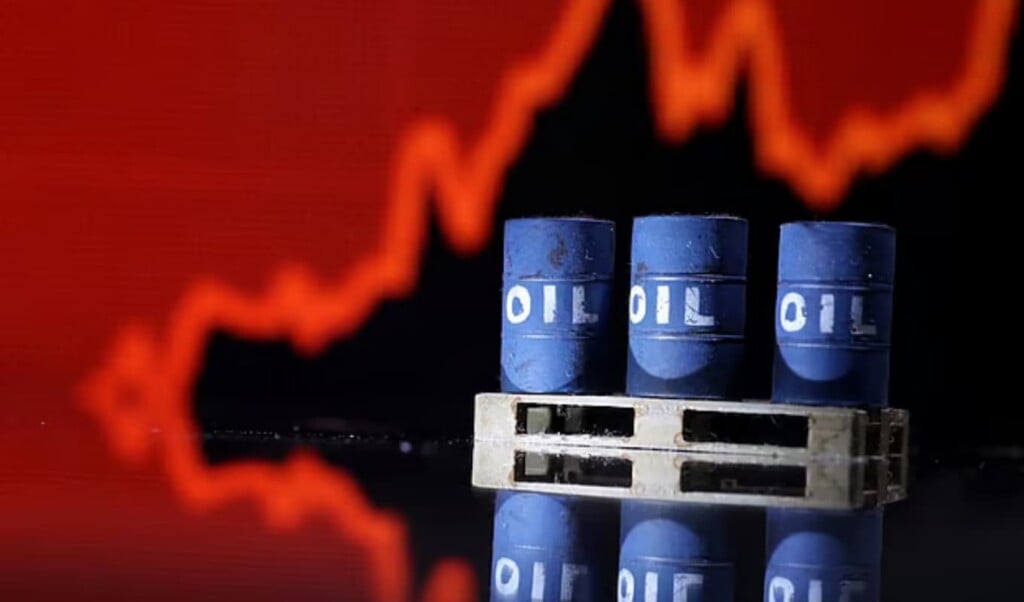
The sudden military escalation caused immediate volatility across major commodities exchanges. The international benchmark, North Sea Brent crude, advanced by 3.75 per cent to trade at $97.83 (£73.15) per barrel. Concurrently, West Texas Intermediate (WTI) crude futures—the primary gauge for the United States domestic market—surged by 4.00 per cent to reach $92.22 per barrel.
The specific financial shifts and trading parameters recorded in the global energy markets following Thursday’s military events are detailed in the table below:
| Trading Metric Benchmark | Final Settled Price | Documented Percentage Shift | Primary Market Jurisdiction |
| Brent Crude Oil | $97.83 (£73.15) per barrel | 3.75% increase | International / European Exchange |
| West Texas Intermediate (WTI) | $92.22 per barrel | 4.00% increase | United States Domestic Exchange |
Diplomatic Standoff and Maritime Chokepoints
This latest kinetic engagement occurred amidst delicate regional dynamics. Backchannel diplomatic efforts were actively underway via neutral mediators to cement a formal ceasefire and bring an end to the three-month-old regional conflict.
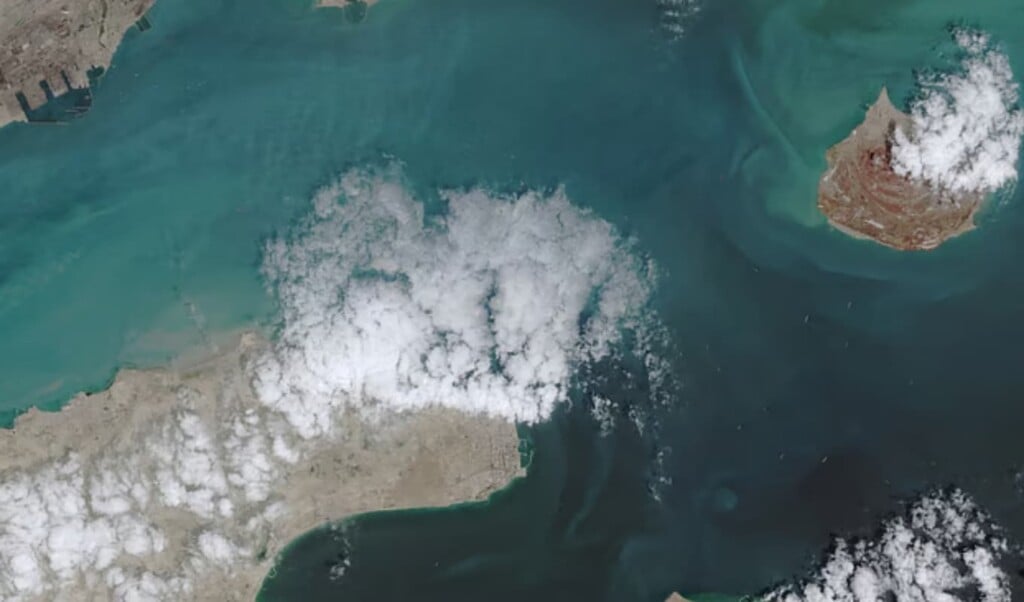
The ongoing hostility has resulted in a de facto closure of the Strait of Hormuz, structurally driving up worldwide energy overheads. This critical maritime bottleneck handles the transit of approximately one-fifth—or 20 per cent—of the global supply of petroleum and liquefied natural gas (LNG).
The current naval standoff originated on 28 February 2026, when the United States and Israel launched a coordinated joint military offensive inside Iranian borders. In the immediate aftermath of those initial operations, the leadership in Tehran retaliated by threatening to intercept and disrupt commercial shipping vessels using the Strait of Hormuz. Despite brief intervals of price stabilization over the last quarter, the ongoing vulnerability of key regional maritime routes continues to place significant upward pressure on global economic indices.