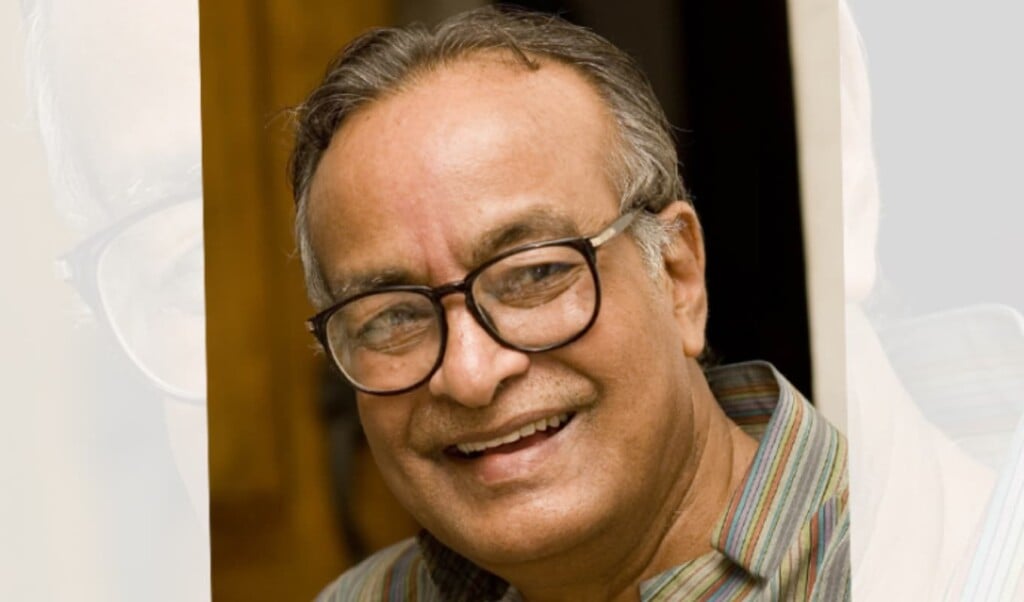
Deep tributes have been paid to Professor Momtazuddin Ahmed, a pioneering figure in the theatrical movement of Bangladesh, an eminent playwright, actor, language movement veteran, and academic, on the occasion of his seventh death anniversary. His contributions to post-independence Bangladeshi theatre and cultural activism remain exceptional, with his craftsmanship in one-act plays receiving particular acclaim. In recognition of his profound impact on dramatic literature, he was awarded the Ekushey Padak in 1997.
Professor Ahmed was born on 18 January 1934 in the Malda district of undivided Bengal. Following the partition of the subcontinent, his family relocated to East Bengal. He was the son of the late Kalimuddin Ahmed and Sabina Begum. Although born in Malda, he spent a significant portion of his childhood and adolescence growing up in the Bholahat Upazila of Chapainawabganj.
Educational Achievements and Academic Career
Demonstrating strong academic capability from his youth, Ahmed completed his primary education at Malda Aiho Junior School. He subsequently passed his Matriculation examination from Bholahat Rameshwar Pilot Model Institution in 1951. He went on to complete his Higher Secondary education at Rajshahi College, later earning his Bachelor of Arts (Honours) and Master of Arts degrees in Bengali from the University of Rajshahi.
Ahmed’s professional career spanned 32 years in the field of education. As a scholar of Bengali language, literature, and European dramatic traditions, he lectured at various government colleges. Furthermore, he served as a part-time professor in the Departments of Theatre and Music at both Jagannath University and the University of Dhaka.
Beyond the classroom, his expertise was sought for national institutional development. Between 1976 and 1978, he worked as a senior specialist in the formulation of the national curriculum and syllabi. Later, from 1977 to 1980, he served as the Director of the Research and Publications Department at the Bangladesh Shilpakala Academy.
Contributions to Dramatic Literature and National Politics
Ahmed’s theatrical works achieved widespread domestic and international recognition. He led Bangladeshi theatre troupes to stage performances in several Indian cities, including Delhi, Jaipur, and Kolkata. Notably, two of his acclaimed plays, Ki Chaha Shankhachil and Raja Anuswarer Pala, were included in the academic curriculum of Rabindra Bharati University in Kolkata. He was also a prominent columnist, contributing regularly to leading national newspapers.
Key Milestones and Timeline of Momtazuddin Ahmed
| Year / Period | Event or Institutional Milestone |
| 18 January 1934 | Born in Malda, undivided Bengal |
| 1951 | Completed Matriculation at Bholahat Rameshwar Pilot Model Institution |
| 21 February 1952 | Constructed the first monument for language martyrs at Rajshahi College |
| 1954, 1955, 1957, 1958 | Imprisoned by Pakistani authorities for political activism |
| 1976 – 1978 | Served as Senior Specialist for National Curriculum formulation |
| 1977 – 1980 | Served as Director of Research and Publications at Bangladesh Shilpakala Academy |
| 1997 | Awarded the Ekushey Padak for contributions to dramatic literature |
| 2 June 2019 | Passed away in Dhaka |
From his student years, Ahmed was deeply involved in progressive politics. Engaging with the Student Union, he played an active role in the historic Language Movement of 1952. On the night of 21 February 1952, he spearheaded the construction of a monument dedicated to the language martyrs at the main gate of the New Muslim Hostel of Rajshahi College. This structure is recognized as the first monument constructed for the language martyrs in Bangladesh and was officially inaugurated the following day, 22 February.
His political convictions and active resistance against autocratic governance led to multiple periods of incarceration by Pakistani authorities, resulting in his arrest in 1954, 1955, 1957, and 1958. Consequently, he became known as the first political prisoner from the Bholahat Upazila.
Apart from the prestigious Ekushey Padak, Ahmed was honoured with numerous accolades during his lifetime, including the Bangla Academy Literary Award and the Shishu Academy Children’s Literature Award. The eminent cultural figure passed away on 2 June 2019, leaving behind a profound literary and progressive legacy that continues to enrich the cultural heritage of Bangladesh.