The Government has announced the introduction of two new nationally observed days—“7 November Revolution and Solidarity Day” and “6 July Rural Development Day”—as part of a broader effort to formalise key historical and developmental milestones within the country’s civic calendar. While one of the days will be marked with a public holiday, the other will be observed without suspension of official activities.
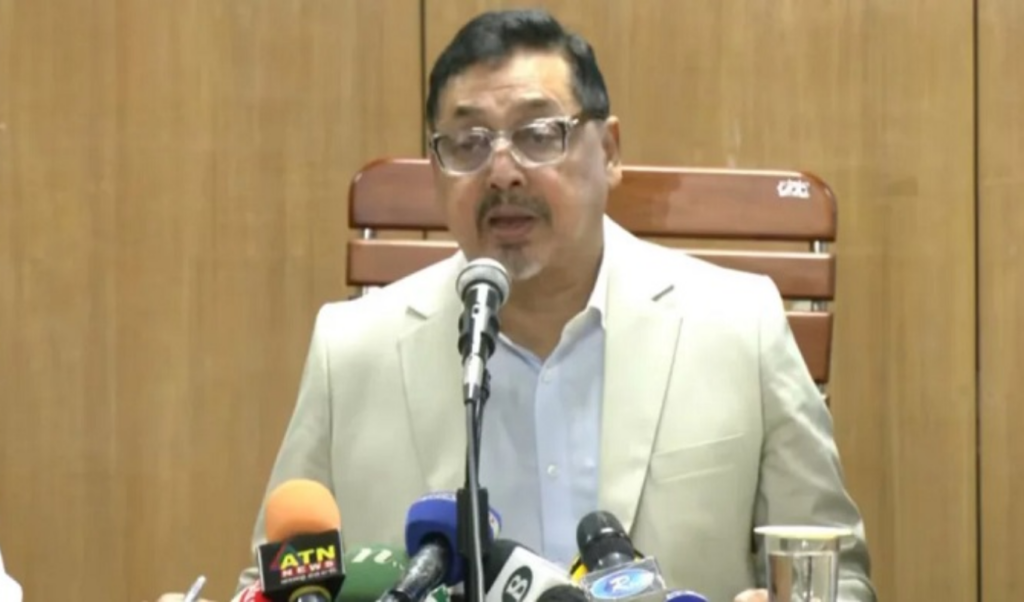
The decision was confirmed on Thursday (16 April) following a Cabinet meeting held at the Secretariat, according to Cabinet Secretary Nasimul Ghani, who briefed journalists after the session.
Cabinet decision on new national observances
Speaking at the briefing, the Cabinet Secretary stated that the government has formally approved the observance of 7 November as “Revolution and Solidarity Day”, which will be treated as a public holiday across the country.
He further announced that 6 July will be observed as “Rural Development Day”, although this will not be a public holiday and normal government and private sector activities will continue as usual.
The new designations are expected to be incorporated into the official national calendar, with ministries and public institutions instructed to prepare appropriate programmes to mark the occasions.
Summary of newly declared national days
| Date | Designation | Type of observance | Public holiday |
|---|---|---|---|
| 7 November | Revolution and Solidarity Day | National observance | Yes |
| 6 July | Rural Development Day | National observance | No |
High-level attendance at Cabinet meeting
The Cabinet meeting, held earlier in the evening, was chaired by the head of government. A number of senior ministers and cabinet members were present, including representatives from key portfolios such as local government, public administration, information, expatriate welfare, civil aviation, tourism, and rural development.
Among those in attendance were the Local Government, Rural Development and Cooperatives Minister Mirza Fakhrul Islam Alamgir, Liberation War Affairs Minister Ahmed Azam Khan, Land Minister Md Mizanur Rahman Mintu, Information Minister Zahir Uddin Swapon, Expatriates’ Welfare and Overseas Employment Minister Md Ariful Haque Chowdhury, and Civil Aviation and Tourism Minister Afroza Khanom, along with other Cabinet members.
Policy significance and national framing
Officials indicated that the declaration of the two observance days is intended to strengthen national remembrance of key political and socio-economic themes, while also promoting public engagement with rural development initiatives.
The designation of 7 November as a public holiday underscores its perceived historical and political importance within the national narrative, while the introduction of Rural Development Day reflects the government’s continued emphasis on agricultural progress, rural infrastructure, and decentralised economic growth.
Implementation and future observance plans
Government sources suggest that detailed guidelines regarding official programmes, commemorative events, and institutional observance frameworks will be issued in due course. Ministries, educational institutions, and local government bodies are expected to organise awareness activities and policy-focused discussions aligned with the themes of the respective days.
With these additions, the national calendar is set to expand, reflecting both historical commemoration and developmental priorities within Bangladesh’s evolving governance agenda.