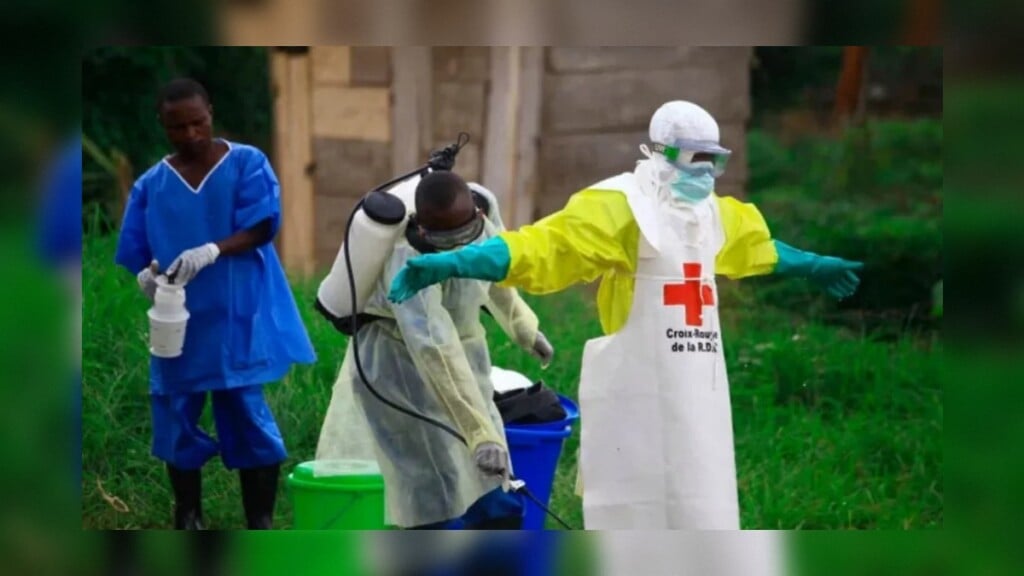
The World Health Organization (WHO) has reported a significant escalation in the Ebola virus outbreak within the conflict-affected Democratic Republic of the Congo (DRC). On Monday, 25 May, Director-General Tedros Adhanom Ghebreyesus announced that the number of suspected cases has now surpassed 900.
Current Outbreak Statistics
According to a statement shared on social media by Dr Tedros, the intensification of surveillance and monitoring activities in the DRC has led to the identification of over 900 suspected cases. Out of these, 101 cases have been laboratory-confirmed as Ebola virus infections. While the Director-General highlighted the rise in suspected infections, he did not provide updated figures regarding the most recent death toll.
Prior to this update, the Ministry of Health of the DRC released a report on Saturday, 23 May, detailing the impact of the virus across three provinces. At that time, the ministry recorded 867 suspected cases and 204 fatalities. The following table summarises the data reported during the latter half of May:
| Category | Ministry Report (23 May) | WHO Update (25 May) |
| Suspected Cases | 867 | 900+ |
| Confirmed Cases | – | 101 |
| Recorded Deaths | 204 | Not Specified |
| Affected Regions | 3 Provinces | 3 Provinces |
Nature of the Bundibugyo Strain
The current outbreak was officially declared by the DRC government on 15 May. Health authorities have identified the causative agent as the Bundibugyo ebolavirus species. This particular strain presents a significant challenge to public health as there is currently no approved vaccine or specific antiviral treatment available for it.
Ebola virus disease is a severe, often fatal illness in humans. It is transmitted through direct contact with the blood, secretions, organs, or other bodily fluids of infected persons, or with surfaces contaminated with these fluids. The clinical progression of the disease often includes:
-
High fever and intense muscular pain.
-
Severe internal and external bleeding (haemorrhaging).
-
Multisystem organ failure.
Historical Context and Regional Impact
The Democratic Republic of the Congo has a long history with the virus, which was first identified in the country in 1976 near the Ebola River. Over the past fifty years, Ebola outbreaks across the African continent have claimed more than 15,000 lives.
The present outbreak is exacerbated by the ongoing conflict in the region, which hinders the ability of medical teams to reach affected populations and implement containment protocols. The WHO continues to work alongside local health authorities to strengthen surveillance and prevent further cross-border transmission.