FIFA has introduced a strict ban on spectators bringing reusable water bottles into stadiums for the upcoming World Cup. This policy shift was implemented at the final hour, just prior to the start of the tournament. Consequently, match attendees will be required to purchase bottled water inside the venues. The update to the regulations was initially reported on Wednesday by the American sports news outlet.
Shift in Stadium Code of Conduct
Until last month, FIFA’s official stadium code of conduct explicitly permitted spectators to bring their own containers. The original directive stated:
“Spectators can enter the stadium with empty, transparent, and reusable plastic bottles with a maximum capacity of one litre without any hesitation.”
However, The Athletic revealed on Wednesday that this directive has been completely overturned. FIFA’s updated code of conduct now reads:
“It is stated without any doubt that reusable water bottles cannot be brought inside the stadium.”
In a statement provided to the news agency AFP, a FIFA spokesperson clarified that the rule modification was enacted purely for safety and security reasons. The spokesperson noted that several World Cup venues had already independently banned reusable water bottles prior to this tournament-wide directive. According to the statement, FIFA is committed to the health and safety of players, referees, spectators, volunteers, and staff, and the decision to ban these bottles was made to protect players and spectators from potential risks and injuries. By standardising the rule, FIFA is now enforcing this restriction across all tournament stadiums.
Mitigation Measures and Stadium Facilities
To accommodate spectators under the new restriction, FIFA has announced that several alternative provisions will be accessible on the stadium grounds. These measures are designed to combat high temperatures and manage hydration.
| Facility / Provision | Description and Implementation |
| Water Provision | Designated drinking water stations will be available within the stadium premises. |
| Bottled Water Sales | Commercial bottled water will be available for purchase inside the venues. |
| Fair Pricing Policy | Water prices will be aligned with rates standard for other events hosted at these venues. |
| Cooling Tents | Dedicated areas (cooling tents) will be set up for spectators to lower their body temperature. |
| Mist Machines and Fans | Artificial mist-generating machines and fans will be operational to cool the environment. |
Environmental Data and Expert Warnings
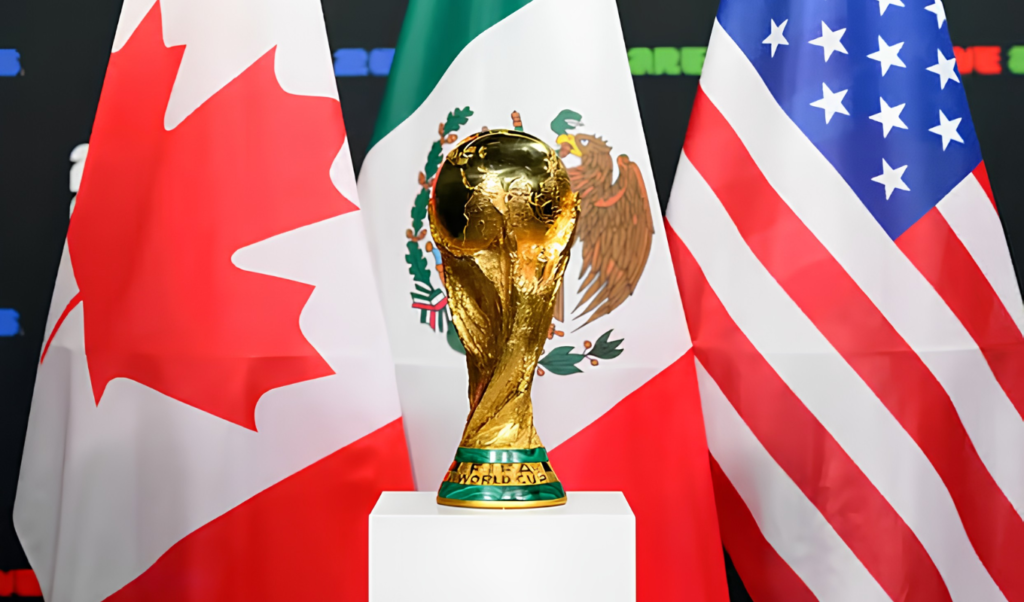
The World Cup is scheduled to commence on 11 June across three host nations: the United States, Canada, and Mexico. FIFA’s policy change comes despite explicit warnings from health and weather experts regarding potential heat-related health risks for spectators due to severe heatwaves.
A report published last month by the research organisation World Weather Attribution indicated that out of the 104 matches scheduled for the tournament, 26 matches could be played in weather conditions where the Wet Bulb Globe Temperature (WBGT) exceeds 26 degrees Celsius. The WBGT is a scientific metric used to measure the level of heat stress imposed on the human body, calculated comprehensively based on ambient temperature, humidity, wind speed, and solar radiation intensity.
This scenario follows similar challenges documented during the FIFA Club World Cup held in the United States last year. During that tournament, supporters were also denied permission to enter stadiums with external water bottles, leading to widespread complaints from spectators regarding extreme and uncomfortable heat.