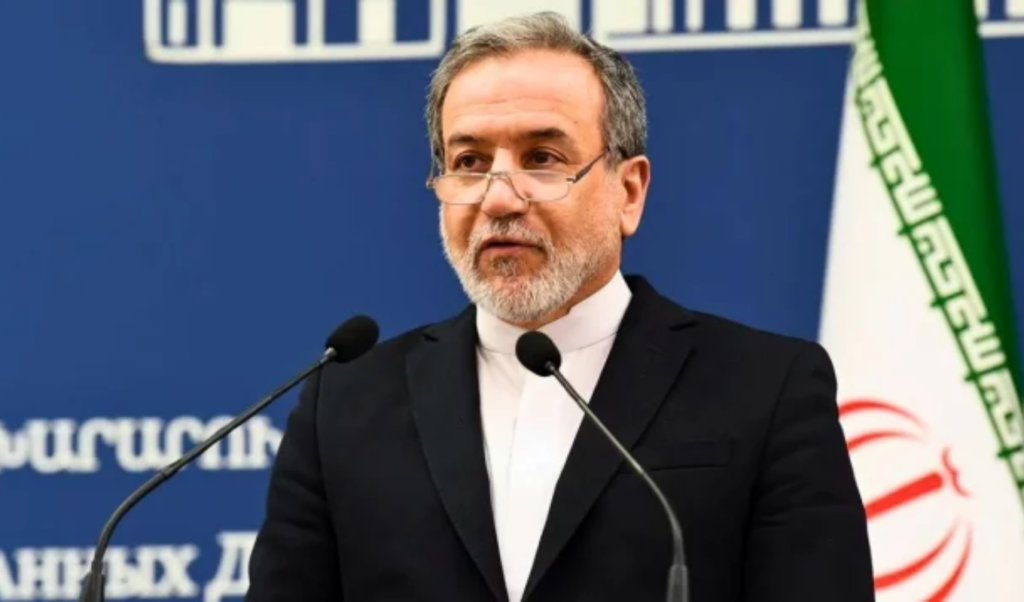
The Iranian Foreign Minister, Abbas Araghchi, has dispatched official diplomatic messages to the Lebanese government, its citizens, and the armed group Hezbollah, offering congratulations on the occasion of the country’s historic “Resistance and Liberation Day”.
According to a comprehensive report by the Qatar-based broadcaster Al Jazeera, Araghchi transmitted separate items of correspondence directly to Nabih Berri, the Speaker of the Lebanese Parliament, and Sheikh Naim Qassem, the Secretary-General of Hezbollah. Within these high-level communications, the Iranian envoy explicitly reiterated Tehran’s steadfast and resolute support for both the state of Lebanon and its internal resistance apparatus.
Commemorating the Historic Withdrawal of 2000
The diplomatic messages were structured to commemorate the structural anniversary of the year 2000, which marked the historic withdrawal of Israeli military forces from southern regions of Lebanon after decades of occupation. In his official text, Araghchi strongly emphasised that the Islamic Republic of Iran will consistently maintain its presence alongside the sovereign state of Lebanon. He highlighted Tehran’s commitment to defending Lebanese independence, state sovereignty, and territorial integrity against any ongoing or future instances of external aggression.
Escalating Geopolitical Pressures and Rhetoric
This significant diplomatic declaration from Tehran has materialised during a highly sensitive geopolitical period in the region. It directly follows a sharp public denunciation by the United States Secretary of State, Marco Rubio, who heavily criticised Hezbollah for its persistent rejection of active peace negotiations aimed at resolving conflicts along the border.
In addition to his critique of the group’s leadership, Rubio directed a public appeal to the civilian populace of Lebanon. He urged ordinary Lebanese citizens to actively assemble in the streets to manifest public opposition against the entrenched political and military configurations maintained by Hezbollah within the country.
Casualties and Ceasefire Ambiguity
Statistical tracking indices compiled by official health agencies indicate a severe humanitarian toll inside the country. Since the initiation of intensive aerial campaigns and ground incursions in Lebanon on 2 March, more than 3,111 individuals have been confirmed killed, whilst hundreds of thousands of ordinary civilians have faced systemic displacement from their homes.
Amidst this highly critical humanitarian environment, significant ambiguity persists within the international community regarding whether the prospective diplomatic agreements currently being deliberated between Washington and Tehran will formally incorporate a framework to secure an absolute end to the war in Lebanon.
On Saturday, Hezbollah confirmed that Naim Qassem had received Araghchi’s message, which clarified that Tehran’s latest proposal, relayed via Pakistani mediators, specifically emphasised a rigorous demand to include Lebanon in any broader overarching ceasefire framework. Qassem subsequently expressed hope that a comprehensive agreement for the full cessation of hostilities between the United States and Iran would be finalised with Lebanon included in its terms.
Joint United States and Israeli Diplomatic Stance
Concurrently, external observers note that Washington and Tel Aviv are systematically maintaining coordinated geopolitical and diplomatic pressure on the Lebanese state. Israeli Prime Minister Benjamin Netanyahu recently confirmed that the newly elected United States President, Donald Trump, has re-emphasised Washington’s recognition of Israel’s fundamental right to self-defence against security threats emanating from all active fronts, explicitly including Lebanon.
| Key Diplomatic Position | United States / Israel Alignment | Iranian State Position |
| Hezbollah Status | Condemned as an obstruction to regional peace initiatives. | Endorsed as a core component of defensive operations. |
| Ceasefire Strategy | Pressure applied to diminish the group’s domestic leverage. | Demands explicit inclusion of Lebanon via Pakistani mediators. |
| Sovereignty Framework | Demands political restructuring away from armed factions. | Guarantees protection of territorial boundaries and state integrity. |
In direct and absolute opposition to this unified stance maintained by Washington and Israel, Iran has formally clarified its geopolitical position, stating that it will not under any circumstances allow Lebanon to be isolated. Tehran continues to provide explicit assurances to regional partners that it will firmly reinforce the position of the Lebanese government and Hezbollah throughout any complex negotiation processes aimed at establishing a definitive end to the war.