Sunday, 5th April 2026

Khabor Wala Desk
Published: 31st January 2026, 4:11 AM
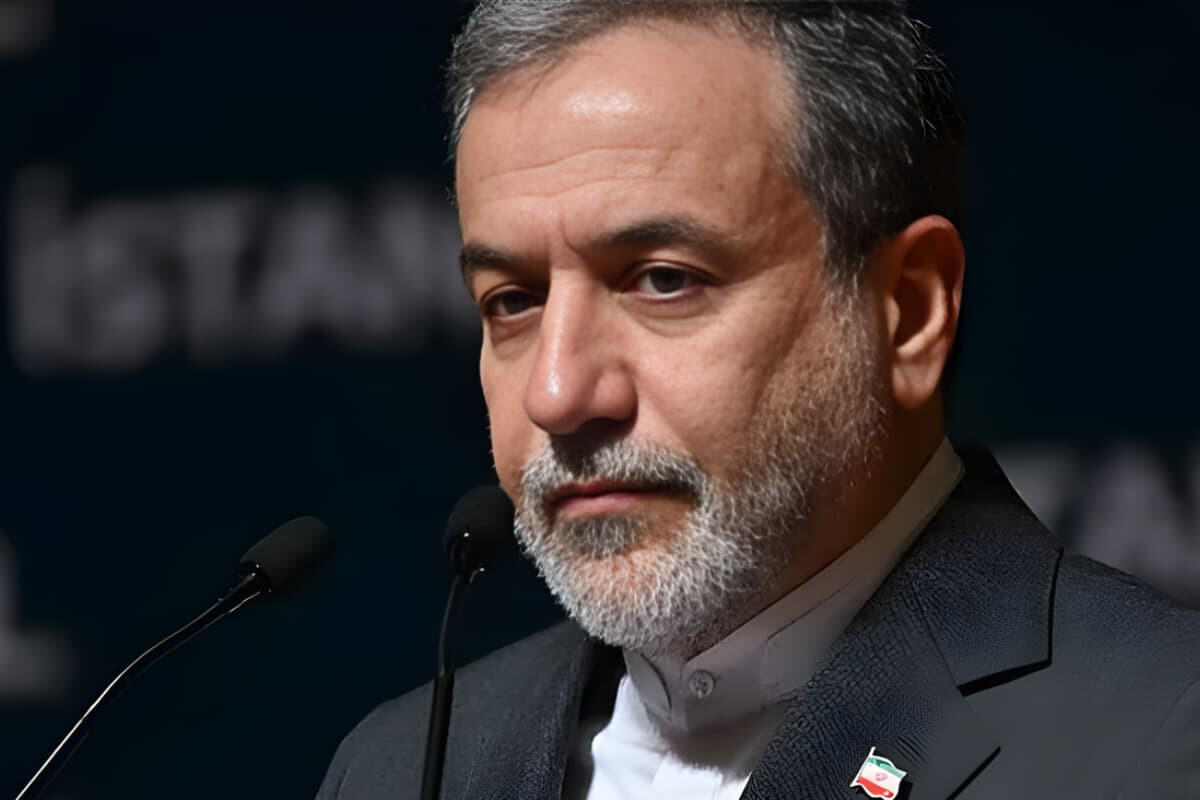
Iran has reiterated its willingness to engage in negotiations with the United States, provided that such talks are conducted in what it describes as a fair, balanced and respectful environment. Speaking during an official visit to Turkey, Iranian Foreign Minister Abbas Araghchi made clear that Tehran rejects dialogue held under military threats, coercion or intimidation, arguing that meaningful diplomacy can only take place on the basis of mutual respect and equality.
Addressing journalists on Friday, Araghchi stressed that dialogue remains a cornerstone of Iran’s foreign policy. He underlined that Tehran has no principled opposition to bilateral or multilateral negotiations and, on the contrary, views diplomacy as the most effective means of resolving international disputes. However, he warned that negotiations overshadowed by threats or pressure would be inherently unjust and therefore unacceptable to Iran.
The Iranian foreign minister reiterated this position during a joint press conference in Ankara with his Turkish counterpart, Hakan Fidan. In firm terms, Araghchi ruled out any discussion of Iran’s defence and missile capabilities, describing them as non-negotiable. He argued that ensuring national security is a fundamental duty of the state and that Iran would continue to maintain and develop its defensive capacities in line with that responsibility.
These remarks come amid heightened tensions between Tehran and Washington. US President Donald Trump has recently declined to rule out the possibility of military action against Iran, while at the same time stating that his administration prefers to reach an agreement through negotiations. The sharp rhetoric has coincided with Washington’s tough stance on Iran’s nuclear programme and its criticism of Tehran’s handling of domestic unrest, fuelling an already volatile relationship.
The United States has reportedly announced the deployment of additional naval assets to the region, a move that has further complicated the diplomatic landscape. In a statement from the White House, President Trump said that while dialogue remains the preferred option, the outcome of talks would determine Washington’s next steps—remarks widely interpreted as an attempt to maintain pressure on Tehran.
Relations between the two countries have steadily deteriorated since 2018, when the United States unilaterally withdrew from the international nuclear agreement with Iran. Since then, mutual distrust has deepened, with Washington demanding a complete halt to Iran’s uranium enrichment activities. Tehran, for its part, continues to insist that its nuclear programme is strictly peaceful and unrelated to the development of nuclear weapons.
Against this backdrop, several influential Middle Eastern states have intensified diplomatic efforts to ease tensions. Turkey, the United Arab Emirates and Saudi Arabia have all signalled a willingness to facilitate dialogue. Turkish President Recep Tayyip Erdoğan has held a telephone conversation with Iranian President Masoud Pezeshkian, emphasising the importance of a negotiated solution. Meanwhile, Foreign Minister Fidan has confirmed discussions with a US special envoy, urging both sides to return to the negotiating table.
Recent Iran–US Context at a Glance
| Issue | Key Details |
|---|---|
| Iran’s stance on talks | Open to negotiations based on equality and fairness |
| Non-negotiable issues | Defence and missile capabilities |
| US position | Calls for talks alongside military pressure |
| Nuclear deal | US withdrawal in 2018 |
| Regional mediation | Initiatives by Turkey and other regional states |
In sum, Iran has not closed the door to dialogue with the United States. However, it has drawn a clear line: negotiations are only possible in an atmosphere free from threats and grounded in mutual respect. Many analysts believe that, despite the charged rhetoric, sustained diplomatic engagement remains the most realistic path to de-escalation for both sides.


Comments