Khaborwala Online Desk
Published: 10 Mar 2026, 10:57 am
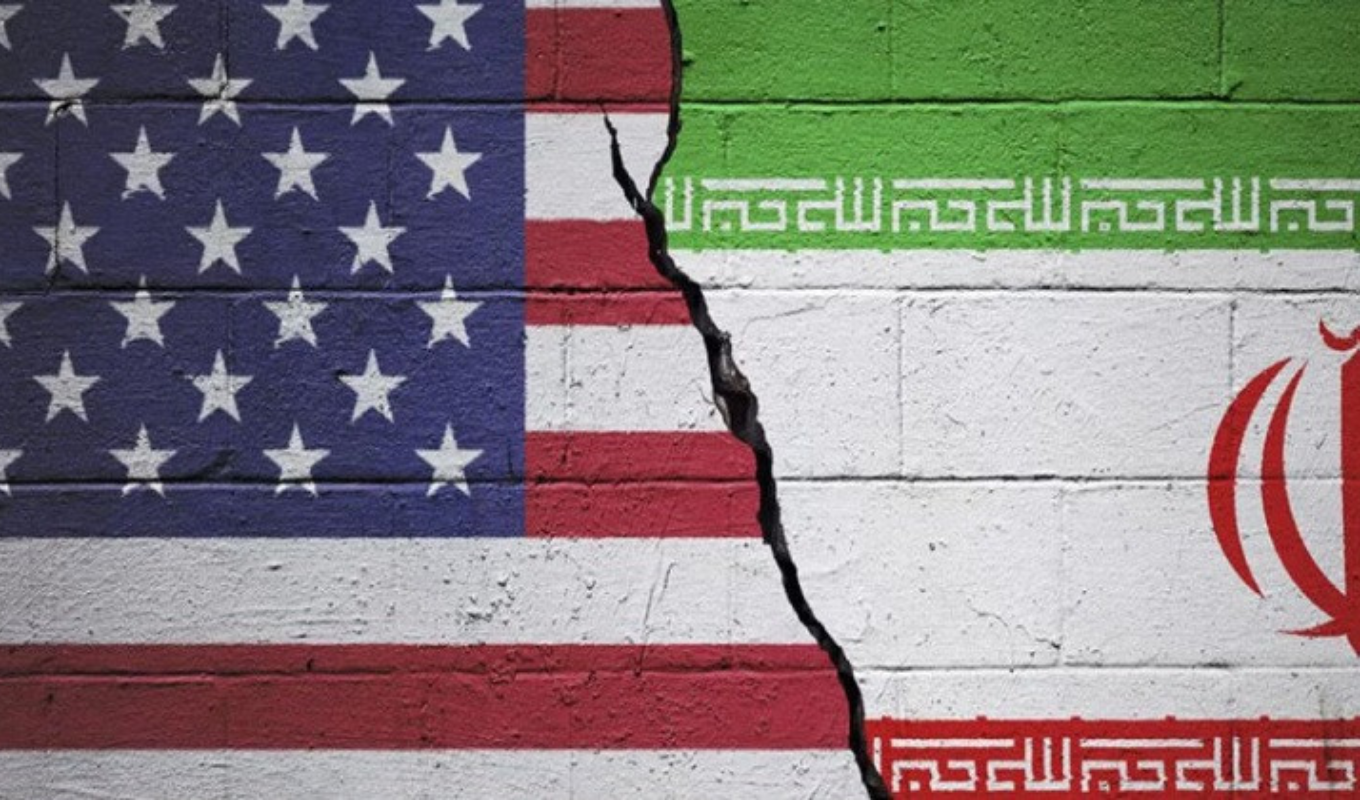
Tensions in the Middle East escalated further on Monday as Iran’s Islamic Revolutionary Guard Corps (IRGC) issued a stark warning over ongoing hostilities with the United States and Israel. The IRGC threatened that continued attacks could result in a complete halt to oil exports from the region, signalling potential disruptions to global energy markets.
In response to the IRGC warning, US President Donald Trump delivered an equally forceful message, warning Tehran of unprecedented military consequences. Trump stated that if Iran blocked oil shipments through the strategically crucial Strait of Hormuz, it would face an assault “twenty times stronger” than any previous military action.
According to reports from Al Jazeera, the conflict between Iran, the United States, and Israel has already significantly disrupted maritime traffic in the region, affecting commercial shipping and international trade. The ongoing tensions have heightened concerns over the stability of global oil supply chains.
The IRGC, in an official statement carried by Iranian state media, asserted that it alone would determine the course and conclusion of the conflict. “The region’s balance and future rest in the hands of our armed forces,” the statement read. “No external force, including the United States, can dictate the end of this war.”
President Trump reinforced his position via his social media platform, Truth Social, emphasising the severity of the potential US response. “Should Iran stop the flow of oil through the Strait of Hormuz, the United States will respond with a strike twenty times more forceful than ever before,” he wrote. He added that US attacks would target easily destructible objectives, designed to cripple Iran’s capacity to retaliate effectively while avoiding direct civilian confrontation.
The Strait of Hormuz is a critical chokepoint for global energy trade, with approximately 20% of the world’s oil passing through the waterway daily. Any disruption could have immediate repercussions on international fuel prices and economic stability.
Key Points on Iran-US Tensions
| Aspect | Details |
|---|---|
| Aggressor / Warning Issued | Islamic Revolutionary Guard Corps (IRGC), Iran |
| Target | United States and Israel involvement |
| Threat | Potential blockade of oil exports through the Strait of Hormuz |
| US Response | Donald Trump warns of 20-fold stronger military action |
| Strategic Importance | Strait of Hormuz – critical global oil transit route |
| Potential Impact | Global energy market disruption, maritime trade interference |
| Official Statements | IRGC: “We determine the war’s conclusion”; Trump: “Target easily destroyed assets” |
Analysts warn that the rhetoric could signal a dangerous escalation, potentially destabilising the Middle East and impacting global energy markets. Any obstruction of oil exports through the Strait of Hormuz could trigger a spike in crude oil prices, disrupt international shipping, and increase geopolitical uncertainty worldwide.
The exchange of threats highlights the fragile balance of power in the region and underscores the high stakes for both military and economic interests. International observers continue to monitor the situation closely, as the potential for miscalculation or unplanned escalation remains significant.

> Bangladesh Coach Focuses on ODI Growth
> Rain Forecast Across Bangladesh Over Coming Days
> Shreya Ghoshal Tops India’s Music Earnings
> Seven Student Activists Jailed in Zinaidah Violence
> Global Insurance Ignores ₤55.5 Billion Reinsurance Requirement
> Father and Son Arrested Over Theft From In-Laws
> Sri Lanka Offers Free Visa to Rescued Iranian Sailors
> BNP MP Welcomes Freed Awami League Leader with Flowers
> Nina Ong Transforms Great Eastern Life Indonesia
> Xavi Claims Laporta Blocked Messi’s Barcelona Return
> Zurich Insurance Acquires RedClick from Generali
> Bruno Mars’ ‘The Romantic’ Debuts at No. 1


Shreya Ghoshal, one of India’s most celebrated playback singers, began her musical journey at the ag...
The escalation of conflict in Iran is exerting fresh pressure on Singapore’s aviation insurance mark...

Equity in leadership requires more than intention; it demands formal systems and measurable governan...
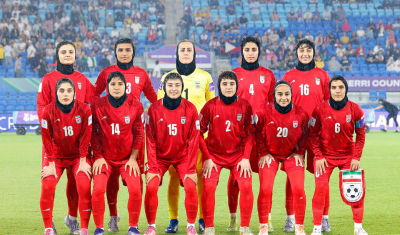
Five members of the Iranian women’s national football team have taken refuge in a secure location in...
The G7 group of advanced economies has reached a preliminary consensus to refrain from releasing eme...
The President of the European Commission, Ursula von der Leyen, has issued a stark warning regarding...

The Mineiro Championship final in Brazil, traditionally a showcase of South American footballing fla...

The ethical fault lines within the artificial intelligence sector have shifted dramatically followin...
In a significant move to revitalise their international standing, Sri Lanka Cricket (SLC) has offici...
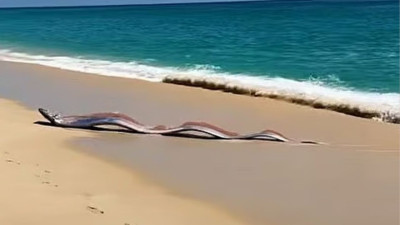
The pristine shores of Cabo San Lucas, Mexico, became the stage for an extraordinary and, for some,...
In a striking reversal of the traditional security assistance dynamic, President Volodymyr Zelenskyy...

Lionel Messi reportedly wanted to return to Barcelona—but why did the eagerly anticipated “last danc...


Availabe for iphone & ipads

Available in google play
 বাংলা
বাংলা