The Israeli military has executed a tactical advance across the Litani River in southern Lebanon, establishing forward positions on the outskirts of the major regional city of Nabatieh. This movement appears to be aimed at encircling the municipality to prepare for a potential ground assault. The deployment marks the first time Israeli ground forces have crossed north of the Litani River since the 2006 war.
Ground Maneuvers and Strategic Value
Senior sources within the Lebanese military confirmed to Turkey’s state-run Anadolu Agency that Israeli units crossed the Litani River, a geographic marker previously declared by Israel as the boundary of its unofficial security buffer zone. Israeli forces have since advanced to the periphery of Nabatieh, a Shia-majority urban center that serves as a vital cultural and economic hub for southern Lebanon. Given its size and location, the potential capture of the city would constitute a major military and political development in the current theatre of operations.
Furthermore, Nabatieh holds significant symbolic value for the local population, having long served as a frontline symbol of resistance against external military campaigns.
| Tactical Development | Primary Operational Objective | Observed Impact |
| Litani River Crossing | Breaching unofficial buffer zone boundaries | First northern ground advance since 2006 |
| Encirclement of Nabatieh | Neutralisation of secondary and tertiary defensive lines | Potential capture of the region’s main economic hub |
| Perimeter Bombardment | Isolation of the Western Bekaa Valley | Strategic disruption of southern supply corridors |
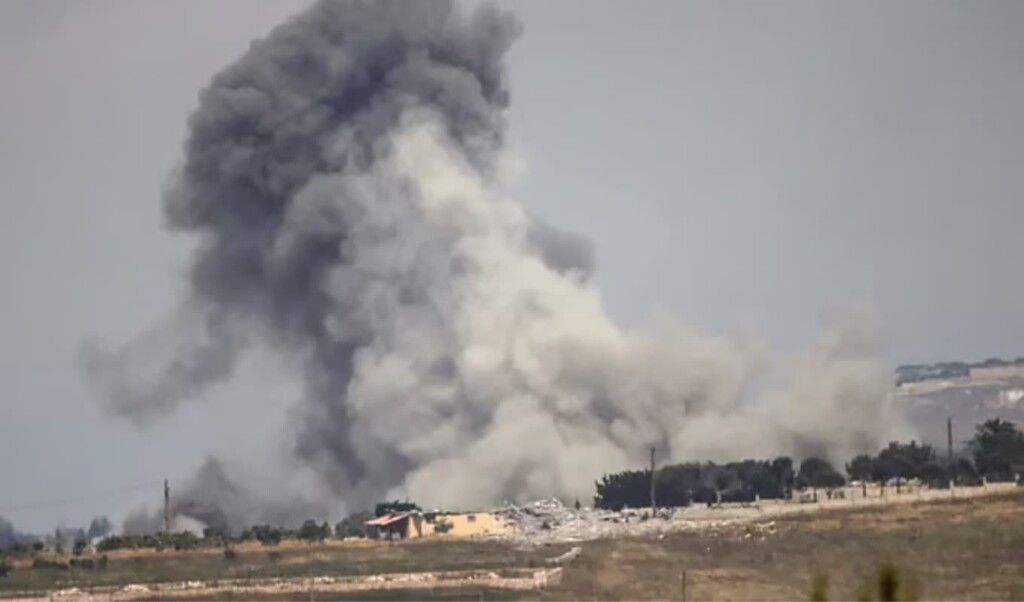
According to Al Jazeera correspondent Obaida Hitto, the ground advance is being supported by an expansion of Israeli air strikes across southern Lebanon. Hitto reported that the current push represents a concerted effort to break through Hezbollah’s secondary and tertiary defensive perimeters, thereby isolating the western Bekaa Valley from the southern governorates of the country.
Drone Strikes and Damage to Medical Infrastructure
The military escalation has resulted in several distinct casualties and damage to local infrastructure:
-
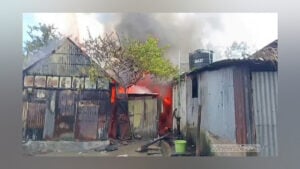
Lebanese Army Casualties: In an official statement, the Lebanese military confirmed that an Israeli drone strike targeted a vehicle near Nabatieh, leaving two of its service members critically injured.
-
Paramedic Fatality: Late on Saturday night, the National News Agency (NNA) reported that an Israeli drone strike in the southern village of Jebchit killed at least one paramedic and wounded four other individuals.
-
Hospital Damage: The NNA noted that the strike in Jebchit caused physical damage to the Lebanese Relief Hospital, though the facility’s medical doctors, nursing staff, and emergency ambulance crews were reported safe.
Strategic Bombardment and Guerrilla Counter-Attacks
In tandem with the drone strikes, Israeli aircraft and artillery units targeted the geographical terrain surrounding Beaufort Castle. Situated approximately 15 kilometres (9 miles) from the Israeli border, this 12th-century historical fortification sits atop a high ridge line that offers a commanding vantage point over vast sections of southern Lebanon. The strategic fortress was historically garrisoned by Israeli troops for an 18-year period before being vacated during the definitive withdrawal of Israeli forces from Lebanon in May 2000.
In response to the multi-pronged offensive, the Lebanese armed group Hezbollah announced that it launched a series of retaliatory rocket salvos directed at the northern Israeli settlement of Kiryat Shmona. Furthermore, the organisation claimed that its combatants successfully ambushed advancing Israeli infantry columns near the village of Ghandouriyah, asserting that the tactical engagement forced the Israeli troops to withdraw from their forward positions.