Khabowrala online Desk
Published: 31 Mar 2026, 10:32 pm

The Monetary Authority of Singapore (MAS) has raised fresh concerns over insurers’ increasing exposure to private assets, cautioning that recent market disruptions have exposed potential vulnerabilities in liquidity, valuation, and risk management practices.
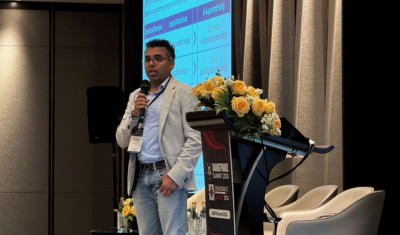
Speaking at the Life Insurance Association Annual Luncheon on 30 March, Marcus Lim highlighted that insurers are allocating more capital to private markets, including private equity and private credit. These investments may be undertaken directly or indirectly through structures such as asset-intensive reinsurance (AIR), a mechanism that has grown in popularity across the global insurance sector.
AIR arrangements allow insurers to transfer liabilities to reinsurers while simultaneously optimising their balance sheets. In doing so, firms can access specialised investment strategies in private markets to support policies that carry significant investment risk. However, Lim warned that such strategies, while potentially enhancing returns, may also introduce complex and less transparent risks.
“Recent episodes of market stress have shown that private asset exposures can be vulnerable to sudden shifts in liquidity conditions and valuation uncertainty,” Lim noted. He added that risks may emerge in several areas, including the quality of collateral backing these arrangements, the ability to liquidate assets in times of stress, and insurers’ capacity to meet recapture obligations should reinsurance agreements unwind unexpectedly.
The MAS is particularly attentive to the interplay between yield-seeking behaviour and policyholder protection. Lim stressed that insurers must not allow the pursuit of higher returns to undermine their core obligation to policyholders. “Robust risk management frameworks, comprehensive stress testing, and prudent governance are essential to ensure resilience,” he said.
In response to these developments, the regulator intends to consult on additional supervisory guidance later this year, aimed at strengthening oversight of insurers’ private asset exposures and AIR-related activities. This move reflects a broader global trend among regulators seeking to address the growing complexity of insurers’ investment strategies.
Alongside its focus on private assets, MAS is also advancing regulatory initiatives in operational resilience. Lim confirmed that the authority is currently consulting on new guidelines covering third-party risk management and operational risk management, with the consultation period set to close on 20 April.
He pointed to incidents in the past year where external vendors were identified as weak links in insurers’ operational chains, potentially jeopardising customer trust and service continuity. As insurers increasingly rely on outsourcing and digital infrastructure, ensuring the resilience and accountability of third-party providers has become a critical priority.
| Risk Category | Description | Potential Impact on Insurers |
|---|---|---|
| Liquidity Risk | Difficulty in selling private assets quickly during market stress | Inability to meet short-term obligations |
| Valuation Risk | Uncertainty in pricing illiquid private market investments | Misstated balance sheets and capital positions |
| Collateral Quality | ضعف (weakness) in underlying asset backing for reinsurance structures | Increased exposure to counterparty and credit risk |
| Recapture Obligations | Challenges in reclaiming transferred risks under stressed conditions | Sudden capital strain and liquidity pressure |
| Third-Party Risk | Dependence on external vendors and service providers | Operational disruptions and reputational damage |
MAS’s proactive stance underscores its commitment to safeguarding financial stability and maintaining trust in Singapore’s insurance sector. As insurers continue to diversify into private markets, regulatory scrutiny is expected to intensify, ensuring that innovation does not come at the expense of prudence and policyholder security.

> Two Arrested Over Sitakunda Quarry Protest Case
> 175 Bangladeshi Migrants to Return from Libya
> Bangladesh Faces Energy Constraints Amid Global Crisis
> Woman Dies Waiting For Doctor During Lunch Break
> Chattogram Court Hands Nine Life Sentences
> Dhaka Launches Week-Long Drive Against Street Encroachments
> Former Child Star Simrin Lubaba Marries Spiritual Transformation
> UN Diplomat Resigns Warning of Nuclear Strike on Iran
> Iran Rejects Pakistan’s US Talks Mediation Claim
> PCB Fines Naseem Shah Over Political Post Incident
> SIBL Recovery Stalled Amid Governance Failures, Allegations Surface
> HSC Exams in Bangladesh Set for June Start
> Marine Insurance Market Holds Firm Amid Middle East Tensions


A total of 175 Bangladeshi nationals are scheduled to return home from Libya on Wednesday, as part o...

Iran’s Islamic Revolutionary Guard Corps (IRGC) has issued a stark warning, threatening attacks agai...

Pakistan international opener Fakhar Zaman has been handed a two-match suspension following a ball-t...
Vietnam’s Techcom Life Insurance Company Limited is positioning itself at the forefront of an “AI-fi...

Pakistan Super League (PSL) franchise Lahore Qalandars have suffered a significant setback after the...
Vaibhav Suryavanshi continues to command attention across the cricketing world, with performances th...

Reports emerging from Iran indicate extensive destruction to civilian infrastructure amid ongoing ho...

Veteran playback singer Alka Yagnik, one of the most celebrated voices in South Asian cinema over th...

TOKYO — Japan Post Insurance has acquired a minority equity stake in Japanese insurance distributor...

Life insurance policyholders are facing an escalating crisis in Bangladesh as unpaid claims continue...

The iconic yellow jersey of Brazil carries a weight unlike any other in world football. For the Sele...

Over the past few decades, Bangladesh has achieved significant economic progress. Industrialisation,...


Availabe for iphone & ipads

Available in google play
 বাংলা
বাংলা