Sunday, 5th April 2026

Khabor Wala Desk
Published: 10th February 2026, 1:23 PM
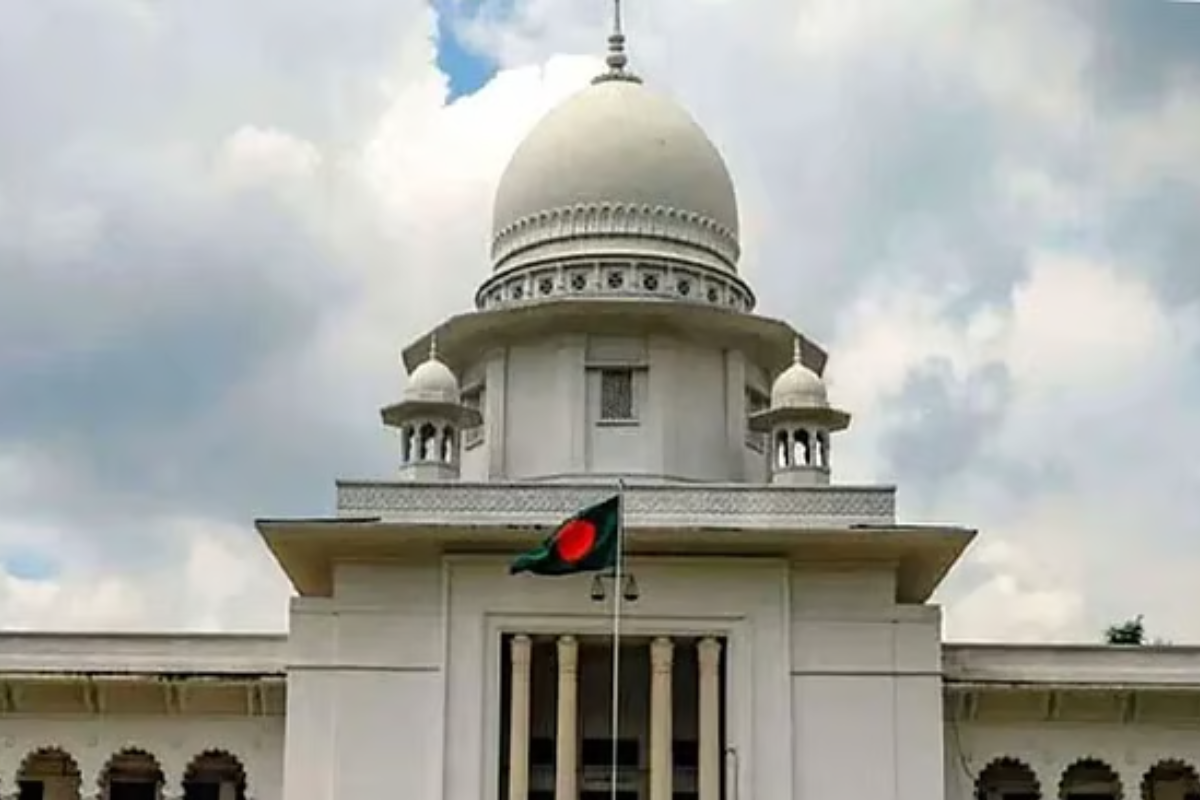
The Supreme Court Administration has announced a significant revision to the annual leave schedule for subordinate courts, reducing the previously continuous one-month vacation into two separate periods. This change, which takes effect from 2026, was confirmed following a full court meeting, according to an official press release issued on Tuesday.
The full court session was held yesterday, Monday, at 4:00 pm in the Judges’ Lounge of the Supreme Court. It was presided over by Chief Justice Zubair Rahman Chowdhury, with the participation of judges from both the Supreme Court and the High Court divisions. The key agenda item was the restructuring of the annual vacation for subordinate courts, which will now occur in two phases: 1–15 June and 17–31 December.
According to the press release signed by Supreme Court public relations officer Md. Shafiqul Islam, the Chief Justice briefed all attending judges on the operational progress of the Supreme Court Secretariat. It was highlighted that the Secretariat continues to function efficiently with a deployment of 13 judicial officers along with the requisite number of supporting staff.
The statement also emphasised that infrastructure development projects within the Supreme Court premises are progressing rapidly. Once construction is completed, the Secretariat’s operations will be relocated to the second, third, and fourth floors of the Record Building, thereby centralising administrative activities and improving operational efficiency.
A summary of the new leave schedule is outlined below:
| Phase | Dates | Purpose and Impact |
|---|---|---|
| Phase 1 | 1–15 June | Mid-year vacation for judicial staff, ensuring rest and rejuvenation |
| Phase 2 | 17–31 December | Year-end leave to facilitate transition into the new year and maintain workflow efficiency |
The Chief Justice also directed that additional technological and administrative resources be deployed to further streamline the Secretariat’s functions. Regular monitoring and evaluation mechanisms will ensure transparency and continuity of services during the leave periods.
Officials noted that this new two-phase holiday system aims to strike a balance between providing sufficient rest for judicial and administrative personnel while maintaining the uninterrupted functioning of the courts. It is also part of a broader initiative to modernise the Supreme Court Secretariat, enhance workflow efficiency, and reinforce administrative coordination across divisions.
With these measures, the Supreme Court hopes to achieve a more structured operational framework, enabling both judicial officers and staff to perform their duties effectively, even during leave periods, while simultaneously advancing long-term infrastructure and administrative improvements.



Comments