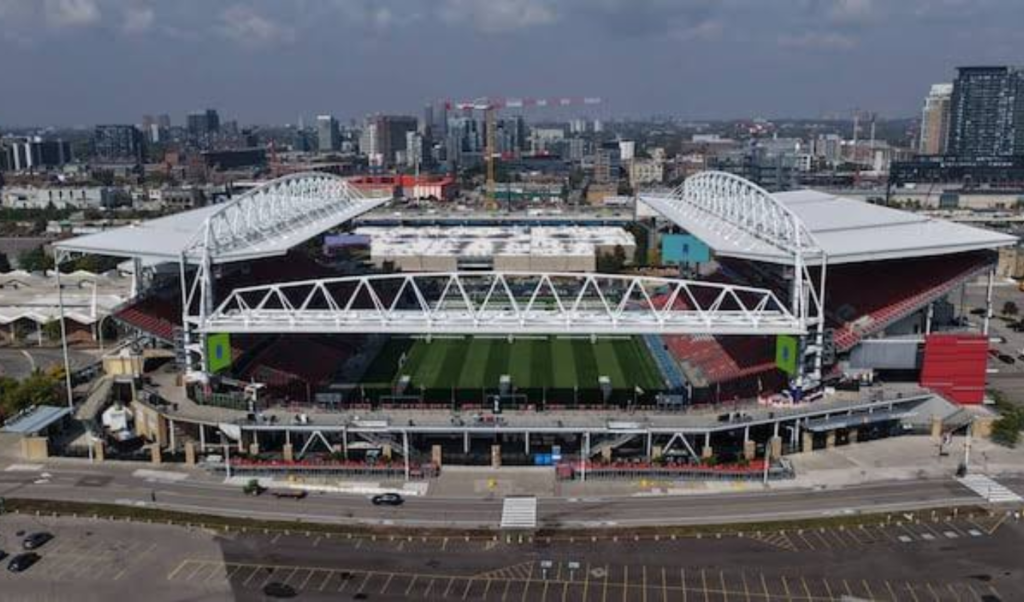
The city of Toronto is fully prepared to welcome football enthusiasts arriving from all corners of the globe as Canada prepares to host its matches. As one of the prominent host cities for the global tournament, Toronto is scheduled to stage a total of six matches. The sporting action in the city commences on Friday, 12 June, with the opening fixture featuring the national teams of Canada and Bosnia and Herzegovina.
However, despite the commencement of the tournament excitement, a significant number of match tickets still remain unsold, and the opening outdoor festivities were disrupted due to heavy rainfall. While many of the largest and most high-profile fixtures of the competition are scheduled to take place across the United States and Mexico, the visitors arriving in Toronto are making every effort to thoroughly enjoy the historic occasion of the first-ever men’s World Cup football match to be played on Canadian soil.
Low Travel Costs And Lower Drinking Age Appeal To Tourists
A notable segment of international travellers has chosen to visit Canada due to the strong cultural similarities it shares with the United States. Meanwhile, numerous other tourists have explicitly incorporated a stopover in the Canadian metropolis to enjoy alcoholic beverages. The legal drinking age in the province of Ontario, where Toronto is located, is 19 years, which is notably lower than the legal limit of 21 years mandated across the United States.
An international tourist from Scotland named Bryden stated that the low cost of airline tickets was the primary factor that enticed him and his companions to travel to the city specifically to drink. On Thursday, Bryden and six of his friends, all traditionally attired in classic Scottish tartan kilts, were observed exploring the vicinity of Toronto’s iconic CN Tower in search of local pubs. The group planned to consume several glasses of beer before departing on Saturday for Boston, USA, where Scotland is scheduled to play their opening Group C match against Haiti.
Strong Immigrant Community Enhances Matches
Canada is home to a vast and diverse population of immigrants from all around the world, many of whom have seized the opportunity to support their countries of origin during the tournament. Irfan, a 41-year-old Canadian citizen of Bosnian descent, travelled from the capital city of Ottawa with his two children specifically to support his homeland. For diaspora families like Irfan’s, the staging of the tournament in Canada provided an unmissable opportunity to publicly show allegiance to their native country while living abroad.
Institutional Framework Of The Tournament Host Cities
The tournament is being jointly hosted across North America by three sovereign nations: Canada, Mexico, and the United States, under a unified organizing framework. This multi-nation format requires extensive coordination between local municipalities, federal transport authorities, and international sports governing bodies to manage the influx of millions of global spectators. Toronto’s primary venue, BMO Field, underwent significant temporary seating expansions to meet the strict capacity guidelines enforced for global tournaments.
The economic strategy of the host cities heavily relies on tourism revenue generated from hospitality, local transport, and retail sales. To facilitate smooth transit between the cross-border venues, special transport corridors and simplified visa procedures were established by the respective governments. Despite these preparations, ticket pricing structures and volatile weather conditions can heavily influence local stadium attendances. Local businesses in downtown Toronto, particularly around major tourist landmarks and fan zones, have extended their operational hours to cater to the diverse international fanbases arriving for the scheduled fixtures.