Sunday, 5th April 2026

Khabor Wala Desk
Published: 24th January 2026, 6:11 AM
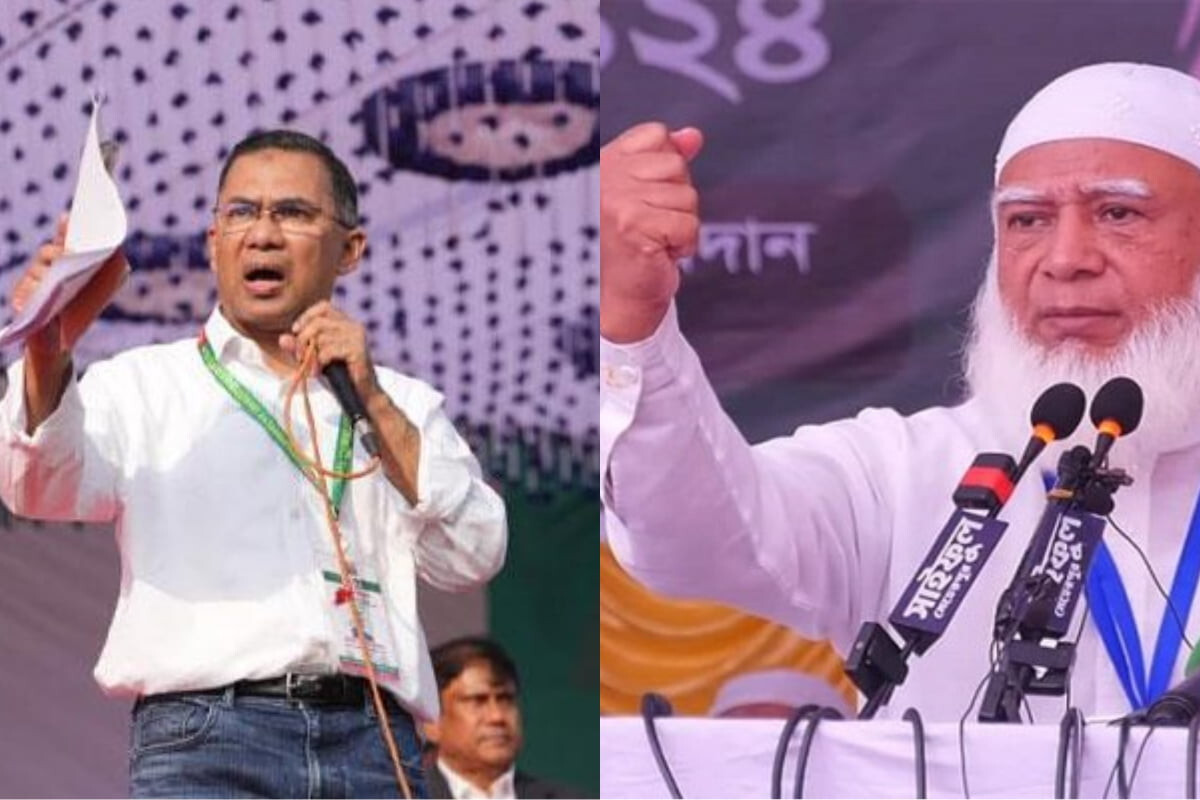
The electoral campaign officially commenced on Thursday, 22 January, with largely peaceful events across the country. In the absence of the ruling Awami League, the principal contest has emerged between the Bangladesh Nationalist Party (BNP) and the 10-party alliance led by Jamaat-e-Islami. However, from the very outset, leaders from both sides have engaged in highly critical rhetoric, generating a charged political atmosphere.
Analysis of speeches delivered over the first two days of campaigning, Thursday and Friday, reveals an escalating exchange of accusations. The BNP has accused Jamaat of opposing Bangladesh’s 1971 Liberation War, manipulating religious sentiments to mislead the public, and orchestrating potential electoral fraud. In response, Jamaat leaders have criticised the BNP’s historical record of corruption, extortion, and what they term “neo-fascist” practices.
| Leader | Locations | Number of Rallies | Principal Allegations/Comments |
|---|---|---|---|
| Tarique Rahman (BNP) | Dhaka (Bhashantek), Sylhet, Moulvibazar, Habiganj, Brahmanbaria, Kishoreganj, Bhairab, Narsingdi, Narayanganj | 8 | Jamaat’s anti-Liberation War stance in 1971, misuse of religion, electoral fraud |
| Shafiqur Rahman (Jamaat) | Dhaka (Mirpur), Panchagarh, Thakurgaon, Dinajpur, Rangpur | 5 | BNP corruption, authoritarianism, critique of social development pledges |
Tarique Rahman avoided directly naming Jamaat but criticised their historical opposition to independence. He condemned attempts to offer “tickets to paradise” through religious manipulation, describing such acts as both “shirk” and “kufr.” He also warned of potential postal ballot theft and the misuse of national ID and mobile numbers to influence election outcomes.
Conversely, Jamaat’s Amir, Shafiqur Rahman, attacked the BNP’s so-called “family card” system and charitable development promises, branding them as tokenistic handouts. He emphasised maintaining public security and dignity through direct engagement with local communities.
Political analyst Professor Mahbub Ullah noted that reciprocal criticism between parties is a common feature of election periods. He commented, “The priority for the nation is to complete the election peacefully. Political debate is inevitable, but it must not cross acceptable boundaries.”
The current political climate also features intense disputes over foreign influence, Liberation War history, religious manipulation, corruption, extortion, and alleged neo-fascist practices. With the Awami League absent, the election is effectively a head-to-head contest between BNP and Jamaat, intensifying scrutiny on their campaign strategies and public messaging.
Comments