khaborwala online desk
Published: 12 Mar 2026, 07:31 pm
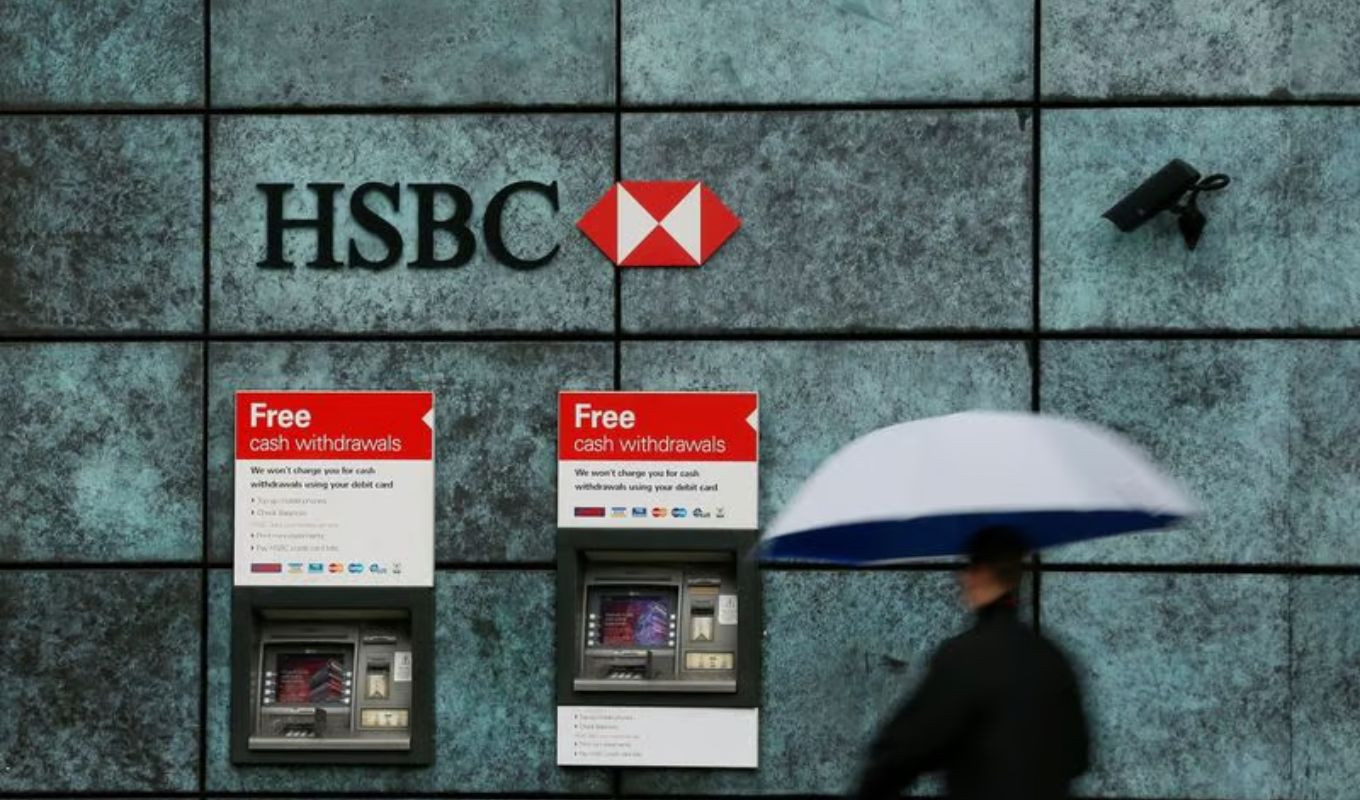
March 12, 2026 (Reuters) – Among European banks, HSBC and Standard Chartered face the greatest exposure to the ongoing conflict in the Middle East, according to a cautionary note from J.P. Morgan on Thursday. The advisory suggests that potential earnings pressure could result, even if outright credit losses remain limited.
Earlier this week, the STOXX 600 Banks index touched a three-month low, having fallen nearly 6% since February 27. Shares of HSBC dropped over 5% on Thursday, while Standard Chartered fell more than 2%. Rising energy prices are expected to impact corporate lending across multiple sectors, including agriculture, manufacturing, construction, and transport, analysts warned.
| Bank | Revenue Exposure to Middle East | Profit Before Tax Exposure | Key Regional Loans / Notes |
|---|---|---|---|
| Standard Chartered | 8% | 12% | $9bn loans to UAE (fiscal 2025); $6bn booked in UAE branches (Q3) |
| HSBC | 4% (up to 9% including Egypt, Turkey, Saudi Arabia) | 4% (up to 9% including Egypt, Turkey, Saudi Arabia) | $23bn lending exposure largely UAE & Qatar; additional exposure via 31% stake in Saudi Awwal Bank |
For Standard Chartered, excluding Turkey and Egypt, Middle East exposure is estimated at around 8% of revenue and 12% of profit before tax (PBT). The bank has disclosed approximately $9 billion of loans to the UAE in fiscal 2025, representing nearly 2% of its total loan book, with about $6 billion booked in its UAE branches as of the third quarter.
HSBC’s revenue and PBT exposure is estimated at roughly 4%, but could rise to nearly 9% when including Egypt, Turkey, and Saudi Arabia. J.P. Morgan estimates that HSBC’s lending exposure in the region, predominantly UAE and Qatar, amounts to approximately $23 billion, or around 2% of its total loan portfolio. Additional exposures include its 31% stake in Saudi Awwal Bank and multinational client portfolios.
J.P. Morgan notes that the main risk stems from earnings pressure rather than credit losses, as Middle East portfolios are concentrated among high-rated corporates. In contrast, other major European banks—including Julius Baer, Societe Generale, ING, Barclays, Banco Santander, BNP Paribas, and Deutsche Bank—have limited exposure, with less than 1% of revenue and PBT affected. Notably, around 11% of assets under management for Julius Baer are from Middle East clients.
Wealth management arms, such as UBS Global Wealth Management and Julius Baer, are expected to benefit from high-net-worth clients diversifying assets to mitigate geopolitical risk. Nevertheless, UBS recently downgraded European banks to “neutral,” citing restricted potential for sustained gains beyond an initial rebound even if energy flows normalise rapidly.

> Middle East Conflict Cancels 28 More Flights
> Bridal Procession Turns Tragic in Fatal Crash
> Anthrax Outbreak: Three Hospitalised in Natore
> Couple Killed in Manikganj Highway Crash
> Elderly Woman Killed During Tarawih Prayers
> Counterfeit Notes Seized in Gopalganj
> KPop Demon Hunters Set for Oscar Stage Debut
> Iran’s New Supreme Leader Mojtaba Khamenei Injured
> Pedestrian Assault Sparks Legal Notice to Model
> Hong Kong Approves First Captive Insurer of 2026
> Champions League Round of 16: Team Standings Ahead
> Home Insurance Costs Drop, but Experts Warn Rebound Possible
> BPO Sector — A Key Foreign Currency Earner — Under Pressure Amid Rising Mugging Fears


Ongoing tensions in the Middle East have continued to disrupt air travel, with safety concerns promp...
A joyous wedding celebration in Bagerhat’s Rampal Upazila ended in horror on Thursday (12 March) whe...
At least twelve residents of Gurudaspur Upazila in Natore have fallen ill after consuming meat from...

A tragic road accident on the Dhaka–Aricha Highway in Manikganj district has claimed the lives of a...
In a concerted police operation conducted early Thursday morning, law enforcement authorities in Ton...

Several leading firms in the United States insurance industry have unveiled significant senior leade...
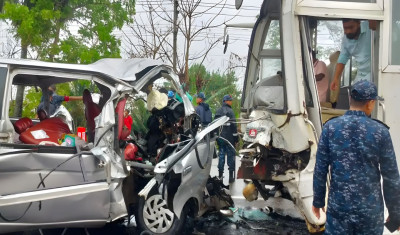
Bagerhat, Bangladesh – A tragic head-on collision between a Bangladesh Navy bus and a passenger micr...
Two motorcyclists tragically lost their lives in a head-on collision with a truck in Madārīpur on Th...
DUBAI, 12 March 2026 — Global banking giant Citibank has announced the temporary closure of the majo...
The central bank of Bangladesh has introduced a revised schedule for interbank cheque settlement dur...
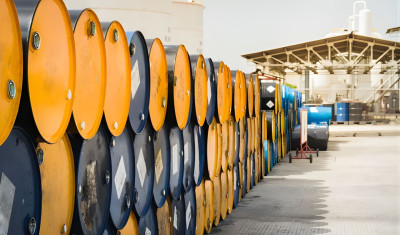
The State Bank of Pakistan (SBP) has announced a temporary relaxation allowing crude oil and petrole...
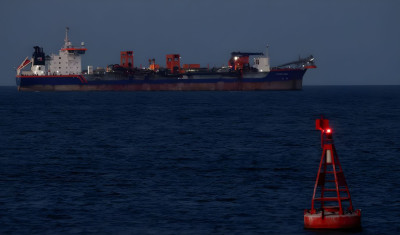
In response to escalating geopolitical tensions in the Middle East, particularly the near‑halt of ma...


Availabe for iphone & ipads

Available in google play
 বাংলা
বাংলা