The International Monetary Fund (IMF) has explicitly stated that it is no longer legally or strategically viable to proceed with the previously negotiated loan agreement or the existing programme framework established under the country’s former administration. This decision follows a major transition in the overall political leadership of Bangladesh.
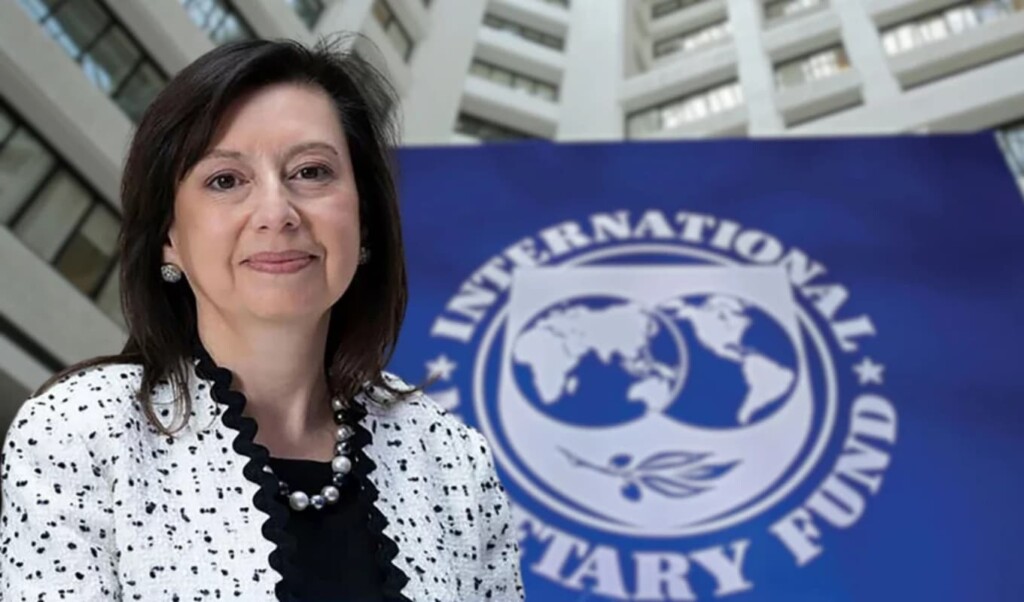
Julie Kozack, the IMF’s Director of Communications, confirmed this development during a regular international press briefing held at the IMF headquarters in Washington, D.C., on Thursday evening, 4 June.
According to Ms Kozack, because the macroeconomic landscape and the domestic political environment of Bangladesh have undergone fundamental transformations, it is essential to initiate immediate discussions regarding an entirely new financing programme with the incoming interim or permanent administration, rather than maintaining the prior terms and structural guidelines.
Macroeconomic Challenges and Future Priorities
The IMF communications director addressed the broader financial situation within Bangladesh, noting that despite the changes in political authority, the nation continues to face critical macroeconomic challenges. Among the most pressing issues identified by the international financial institution are:
-
Enhancing domestic revenue generation and tax collection mechanisms.
-
Restoring transparency and sound corporate governance within the banking sector.
-
Mitigating unrestrained inflation and stabilizing volatile commodity prices.
Ms Kozack emphasized that the IMF is not severing ties with Bangladesh. On the contrary, she affirmed that there remains a strong opportunity for collaborative efforts to navigate these pressing macroeconomic headwinds. She reiterated that the IMF prioritizes inclusive development, public welfare, and long-term financial stability for the people of Bangladesh.
Consequently, a high-level IMF delegation is scheduled to be dispatched to Dhaka in the near future. The forthcoming bilateral discussions with the policymakers of the new administration will place these essential structural and financial reforms at the top of the agenda.
Institutional Summary of the Decision
The following table details the core components and administrative facts surrounding the IMF’s recent announcement regarding the Bangladesh loan framework:
| Fact Type | Details and Specifications |
| Issuing Institution | International Monetary Fund (IMF) |
| Announcement Location | IMF Headquarters, Washington, D.C., United States |
| Date of Briefing | Thursday, 4 June |
| Official Representative | Julie Kozack, Director of Communications |
| Primary Recipient | People’s Republic of Bangladesh |
| Core Decision | Termination of the previous loan programme framework due to political changes |
| Immediate Next Step | Deployment of a high-level mission to Dhaka for new programme negotiations |
| Top Reform Priorities | Revenue mobilization, banking governance, and inflation control |
“Since there have been radical changes in the country’s macroeconomy and the recent political environment, it has become extremely urgent to immediately start discussions on a completely new financing programme with the new interim or permanent administration of Bangladesh, instead of keeping the old conditions or outlines in place.”
— Julie Kozack, IMF Communications Director