Published: 12 Mar 2026, 09:40 pm
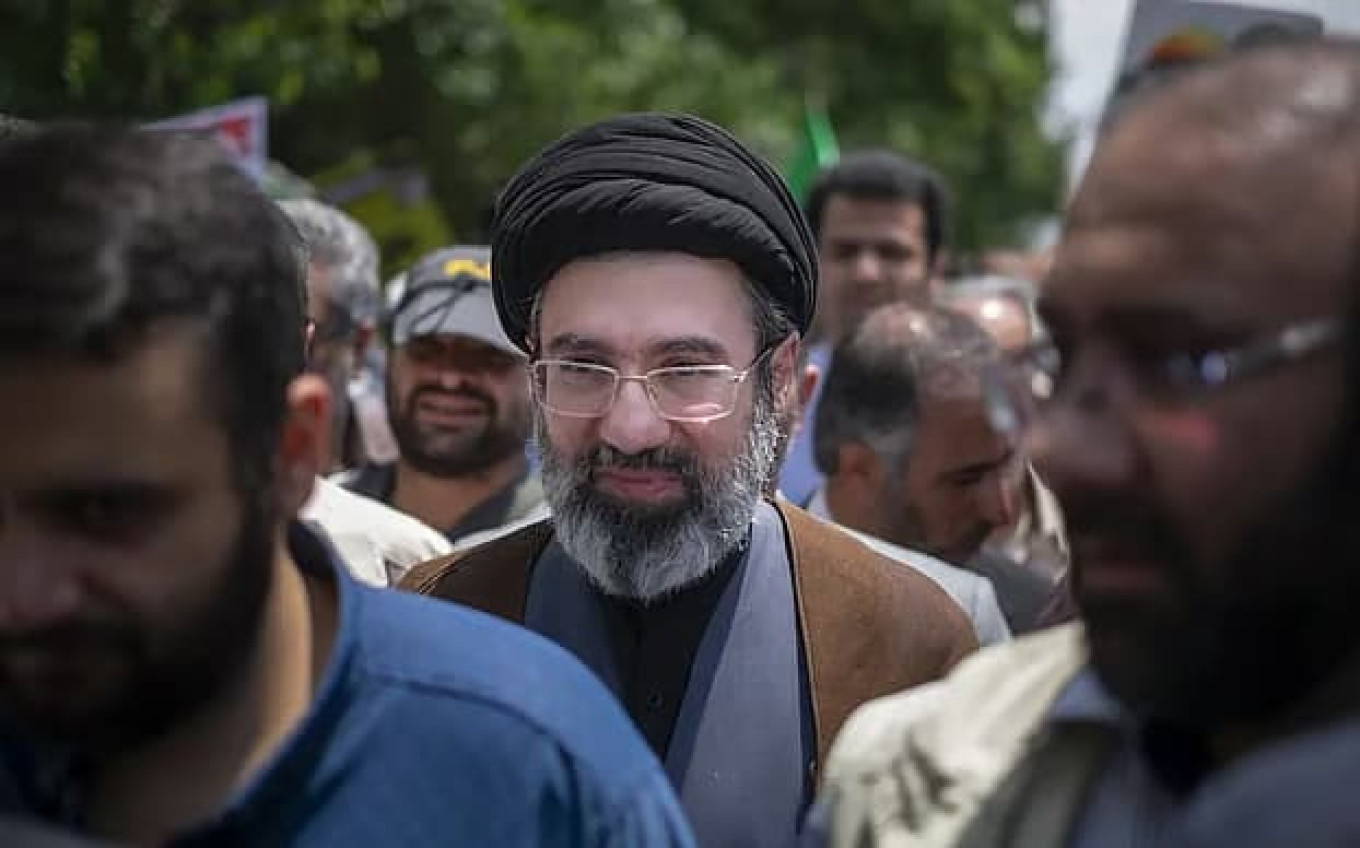
Ayatollah Mojtaba Khamenei, Iran’s newly appointed Supreme Leader, has declared that the strategic Strait of Hormuz will remain closed to international maritime traffic, signalling a firm continuation of Tehran’s hardline energy and security policy.
In his first address following his election, Khamenei stressed the significance of the waterway, through which roughly one-fifth of the world’s oil supply passes. The closure has already had an immediate impact on global energy markets, pushing crude oil prices above 100 US dollars per barrel.
Khamenei called for national unity in the face of external pressures. “The Strait of Hormuz is of strategic importance, and we will maintain control to exert pressure on our adversaries,” he stated. Analysts say this move underscores Iran’s determination to leverage its geographical position to influence regional and global energy flows.
The Supreme Leader also highlighted the role of regional allies in sustaining Iran’s position. He confirmed that Yemen’s Houthi rebels “will continue to fulfil their responsibilities” in alignment with Tehran, and noted that armed groups in Iraq have expressed willingness to support Iran’s stance.
Expressing gratitude to the nation’s armed forces, Khamenei said: “Even under attack, our military has prevented Iran from becoming fragmented or subjugated. I extend my sincere thanks to the courageous soldiers performing exemplary duties under extreme pressure.” He further warned that “the blood of our martyrs will not go unavenged.”
Despite the emphasis on military measures, Khamenei reaffirmed Iran’s commitment to maintaining friendly relations with neighbouring states. “We seek friendship and cooperation with our neighbours. However, our operations against US military installations will continue as necessary,” he said.
The announcement comes in the aftermath of a major escalation. On 28 February, the United States and Israel launched attacks on Iranian territory, resulting in the death of the previous Supreme Leader, Ayatollah Ali Khamenei. On 8 March, his son, Mojtaba Khamenei, was formally elected as Iran’s new Supreme Leader.
| Factor | Detail |
|---|---|
| Length of Strait | 39 km |
| Global Oil Transit | Approximately 20% of world supply |
| Recent Crude Price | Over $100 per barrel |
| Regional Stakeholders | Iran, Saudi Arabia, UAE, Qatar, Iraq |
| Security Concerns | Naval blockades, regional conflicts |
Experts warn that continued closure or restrictions on the strait could further destabilise international oil markets and intensify geopolitical tensions across the Middle East. Khamenei’s speech underscores Iran’s dual approach: asserting strategic dominance while maintaining selective diplomatic engagement with regional neighbours.

> REHAB Leaders Meet Housing Minister Over Crisis
> Police Advise Safety Measures for Eid Travel
> India to Supply Diesel to Bangladesh if Available
> Iran’s New Leader Upholds Strait Closure
> US Calls for Iranian Uprising Stir Historical Fears
> Middle East Conflict Cancels 28 More Flights
> Iran’s New Supreme Leader Mojtaba Khamenei Injured
> Pedestrian Assault Sparks Legal Notice to Model
> Hong Kong Approves First Captive Insurer of 2026
> Home Insurance Costs Drop, but Experts Warn Rebound Possible
> BPO Sector — A Key Foreign Currency Earner — Under Pressure Amid Rising Mugging Fears
> Afghanistan-Sri Lanka Series Postponed, Reason Confirmed


Leaders of the Real Estate and Housing Association of Bangladesh (REHAB) met with Housing and Public...
_1773331490.jpg)
With the approach of the holy festival of Eid-ul-Fitr, the police have issued comprehensive safety g...
Amid escalating global energy tensions triggered by the potential for a U.S. strike on Iran, many co...
Tensions in the Middle East have resurfaced as former US President Donald Trump, alongside Israeli P...
Ongoing tensions in the Middle East have continued to disrupt air travel, with safety concerns promp...
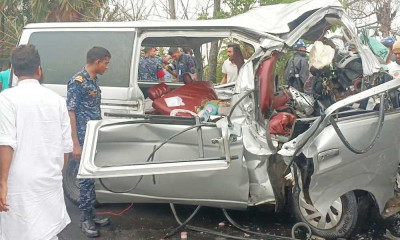
A joyous wedding celebration in Bagerhat’s Rampal Upazila ended in horror on Thursday (12 March) whe...
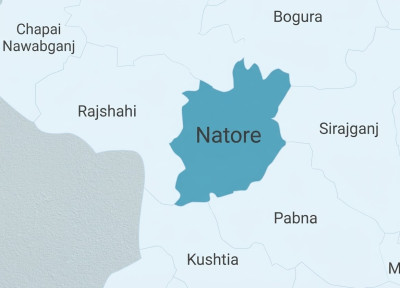
At least twelve residents of Gurudaspur Upazila in Natore have fallen ill after consuming meat from...
A tragic road accident on the Dhaka–Aricha Highway in Manikganj district has claimed the lives of a...
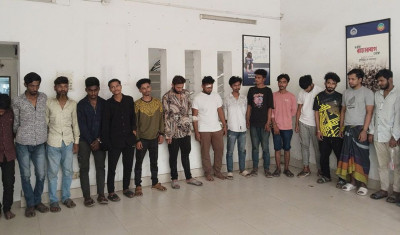
In a concerted police operation conducted early Thursday morning, law enforcement authorities in Ton...

Several leading firms in the United States insurance industry have unveiled significant senior leade...
March 12, 2026 (Reuters) – Among European banks, HSBC and Standard Chartered face the greatest expos...
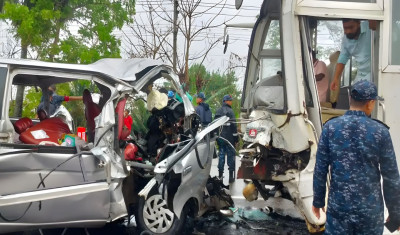
Bagerhat, Bangladesh – A tragic head-on collision between a Bangladesh Navy bus and a passenger micr...


Availabe for iphone & ipads

Available in google play
 বাংলা
বাংলা