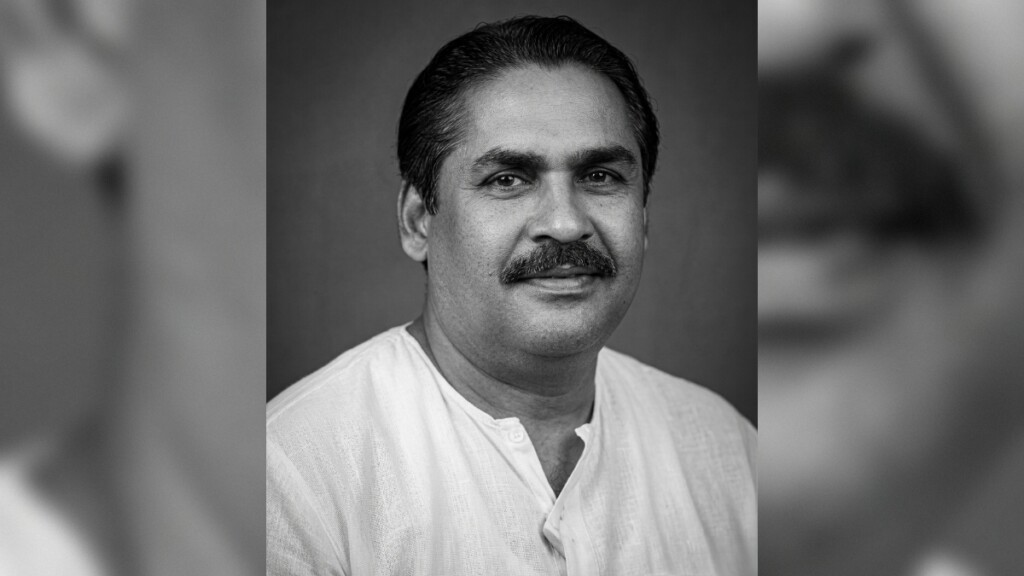
In the history of Bangladesh’s independence, there are names whose contributions are undeniable, yet with the passage of time, they have gradually faded from public memory. M. A. Hannan was one such struggling patriot, whose voice uttered one of the very first calls for an independent Bangladesh. He was a soldier of the Language Movement, a leader of the working-class people, a dedicated organizer of the Awami League, and a courageous organizer of the Great Liberation War.
He was born on February 10, 1930, in Khaspur village of Tehatta police station in the Nadia district of West Bengal. Growing up in a politically conscious family, M. A. Hannan was inspired by a sense of responsibility towards his country and its people from early childhood. After the partition of the subcontinent, he moved to Meherpur with his family. During his student life, he was inspired by the spirit of the Language Movement and participated in the Great Language Movement of 1952, aligning himself with the Bengali struggle for national emancipation.
Although he served as a bank official and a insurance company manager in his professional life, his true identity was that of a political activist and a leader of the masses. He was a vanguard in the struggle to establish the rights of working-class people. His involvement with the Bangladesh Jatiya Sramik League, Bangladesh Railway Sramik League, and the labor movements of Chittagong was deep and long-standing.
Under the leadership of Bangabandhu Sheikh Mujibur Rahman, he played an active role in every critical chapter of the Bengali self-determination movement. His vibrant presence was felt everywhere—from the Six-Point Movement and the agitation against the Agartala Conspiracy Case to the Mass Upsurge. While performing crucial responsibilities for the Chittagong District Awami League, he became one of Bangabandhu’s most trusted comrades-in-arms.
March 1971. The entire Bengal was turbulent with the anticipation of independence. On March 24, M. A. Hannan was one of the key organizers of the resistance built at the Chittagong Port against the weapon-laden Pakistani ship ‘MV Swat’. And after the dark night of March 25, the historic responsibility of broadcasting Bangabandhu’s declaration of independence fell upon his shoulders.
On March 26, he read out the declaration of independence on behalf of Bangabandhu from the Kalurghat Radio Station. That voice was the echo of a nation’s longing for freedom. That declaration was a call for the struggle to preserve the existence of the Bengali people. His courageous pronouncement at that critical juncture of history inspired countless people to plunge into the Liberation War.
During the Liberation War, he went to Agartala to organize freedom fighters and played a vital role in establishing the Harina Youth Camp. Throughout the war, he remained a tireless worker in favor of independence.
Even after independence, he dedicated himself to the task of nation-building. But destiny did not grant him much time. On June 11, 1974, he was severely injured in a tragic road accident in Chouddagram. The following day, on June 12, he breathed his last at Feni Hospital. In a short lifespan of just 44 years, he left behind a shining example of patriotism, sacrifice, and struggle.
Though long overdue, the nation eventually recognized his contribution. In 2013, the Government of Bangladesh posthumously honored him with the Independence Award (Swadhinata Padak).
Today, on his death anniversary, we remember with deep respect the man who became the voice of the nation at a monumental moment in history at the dawn of independence. He was not a personality shining in the limelight of power; he was a man of struggle, a man of responsibility, and a man of conviction.
As long as the history of independence lives on, that brave voice of Kalurghat will continue to echo—carrying the name of M. A. Hannan.
“Not all heroes of history stay in the limelight; some silently fade away after paving the path of light. M. A. Hannan was one such beacon of folk history.”
Humble respect and profound gratitude.